

We are not the permitting office, but we help clients understand what the city requires so their system actually gets a police response when it matters.
.svg)


.svg)
We are not the permitting office, but we help clients understand what the city requires so their system actually gets a police response when it matters.
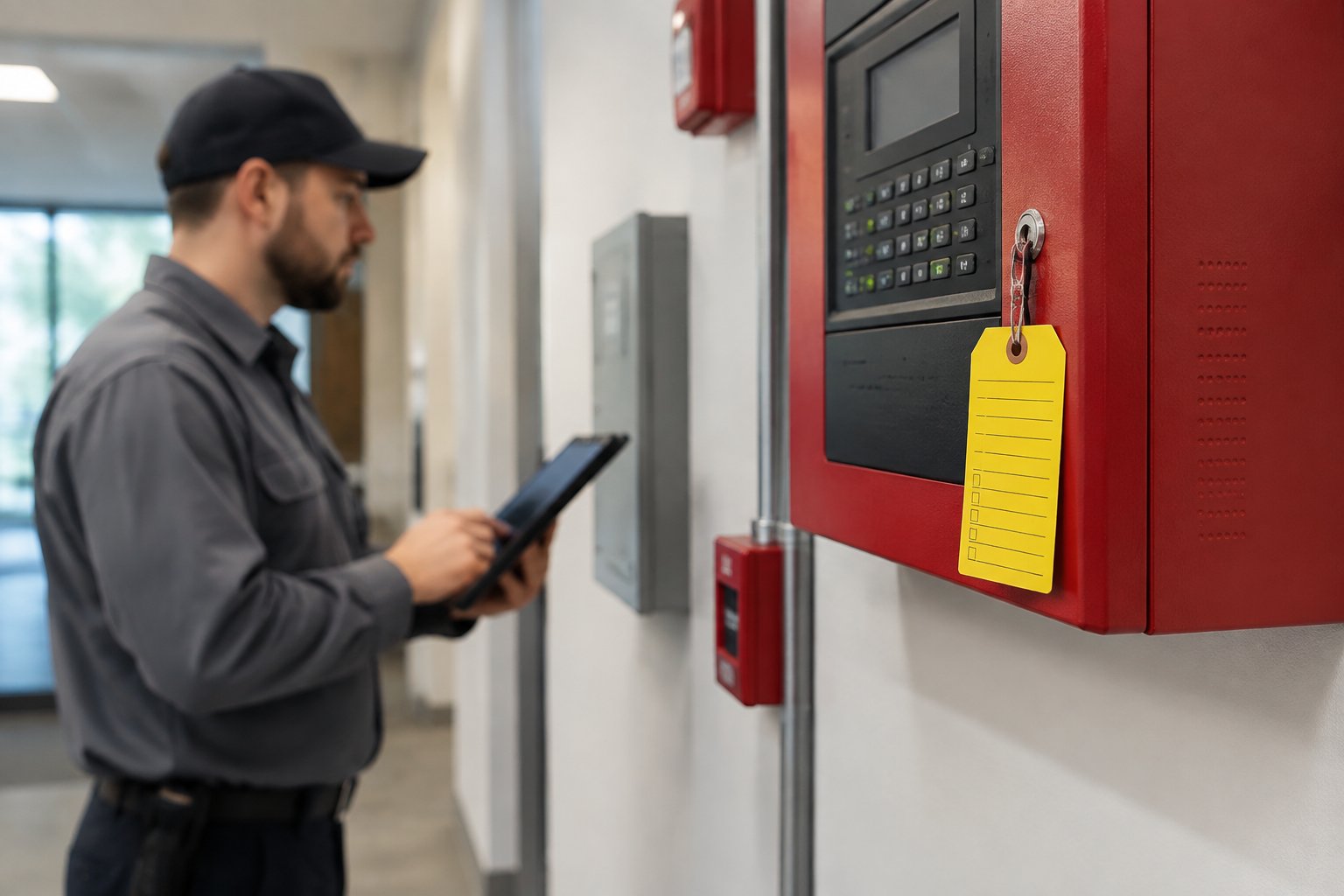
Here's what a yellow label means versus a red one, the exact steps to take after each, who is legally allowed to remove a label, and how your system gets documented as compliant again.
If you own a home or business in Houston, pay attention to that hesitation before any equipment goes on your wall.
As a Texas-licensed security company, our team sees what happens when monitoring runs on autopilot, batteries go untested, or nobody updates emergency contacts before a long trip.
We have walked into stores days before Black Friday and found cameras pointed at empty shelves instead of the register, or alarm schedules still set for regular summer hours.
Electronic access control costs more upfront but changes what you can see and control at every door.
We know how a commercial PA system should sound in a 200,000-square-foot warehouse versus a quiet medical office, and we build around that difference instead of selling one-size-fits-all equipment.
The right cadence depends on how hard your equipment works and what you stand to lose if it fails.
That experience means recognizing the difference between a system that just needs a tune-up and one that puts a business at real risk, whether the issue is an outdated communicator, a camera blind spot, or an access system nobody can manage anymore.
The team has seen what actually stops losses at small businesses across Houston, from strip-center retailers to warehouses.
In this guide, you'll discover what research says burglars actually look for, how sensors and sirens work together during an intrusion, and how to layer protection around your home's weak points. Keep reading to learn practical, Texas-grounded steps you can take starting this week, not vague theory.
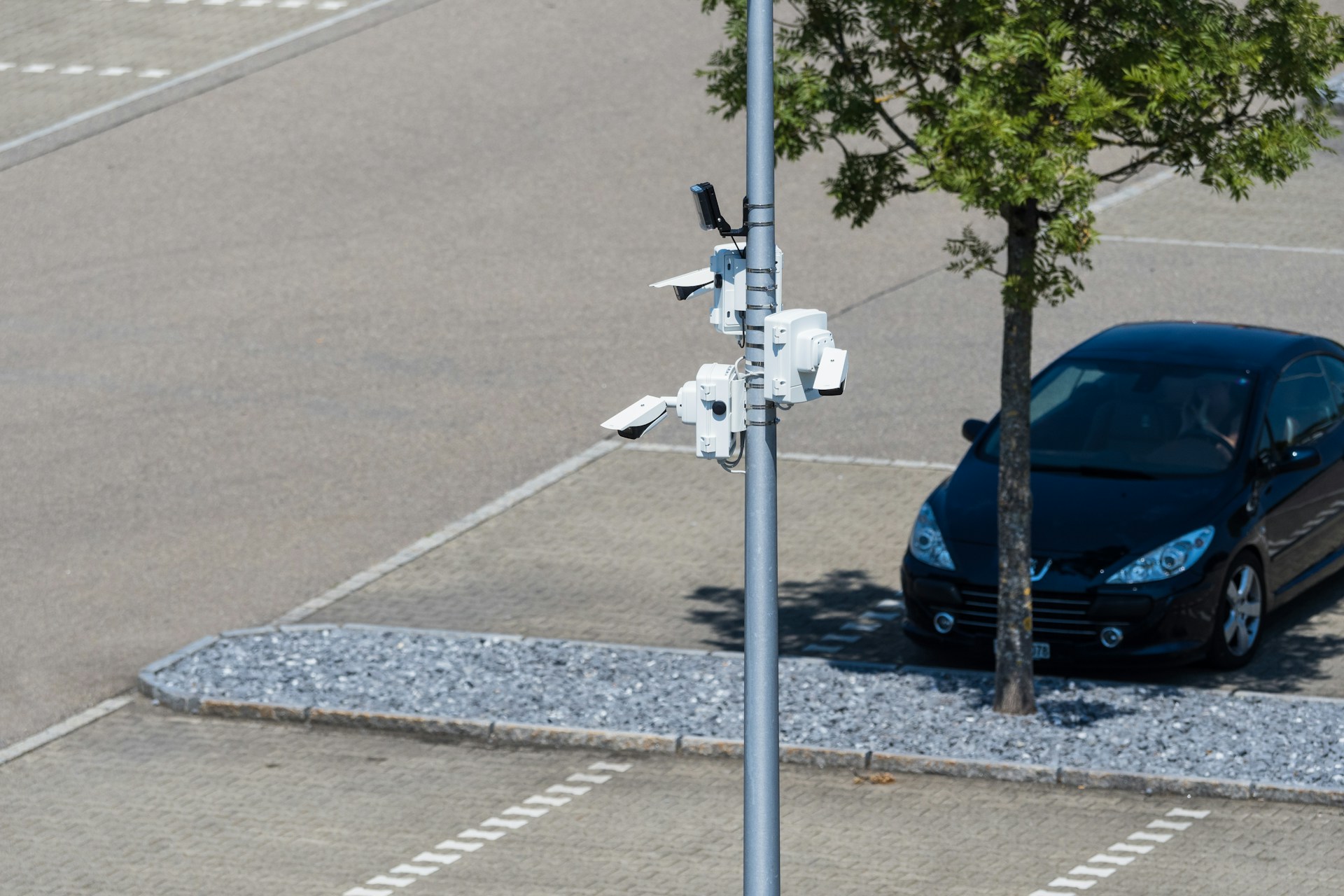
In this guide, you'll discover how to map your store's risk points, cover the zones where loss actually happens, choose the right camera types for each area, and build a system that gives you usable video when you need it most. Keep reading for placement advice built around real Texas retail environments, not one-size-fits-all theory.
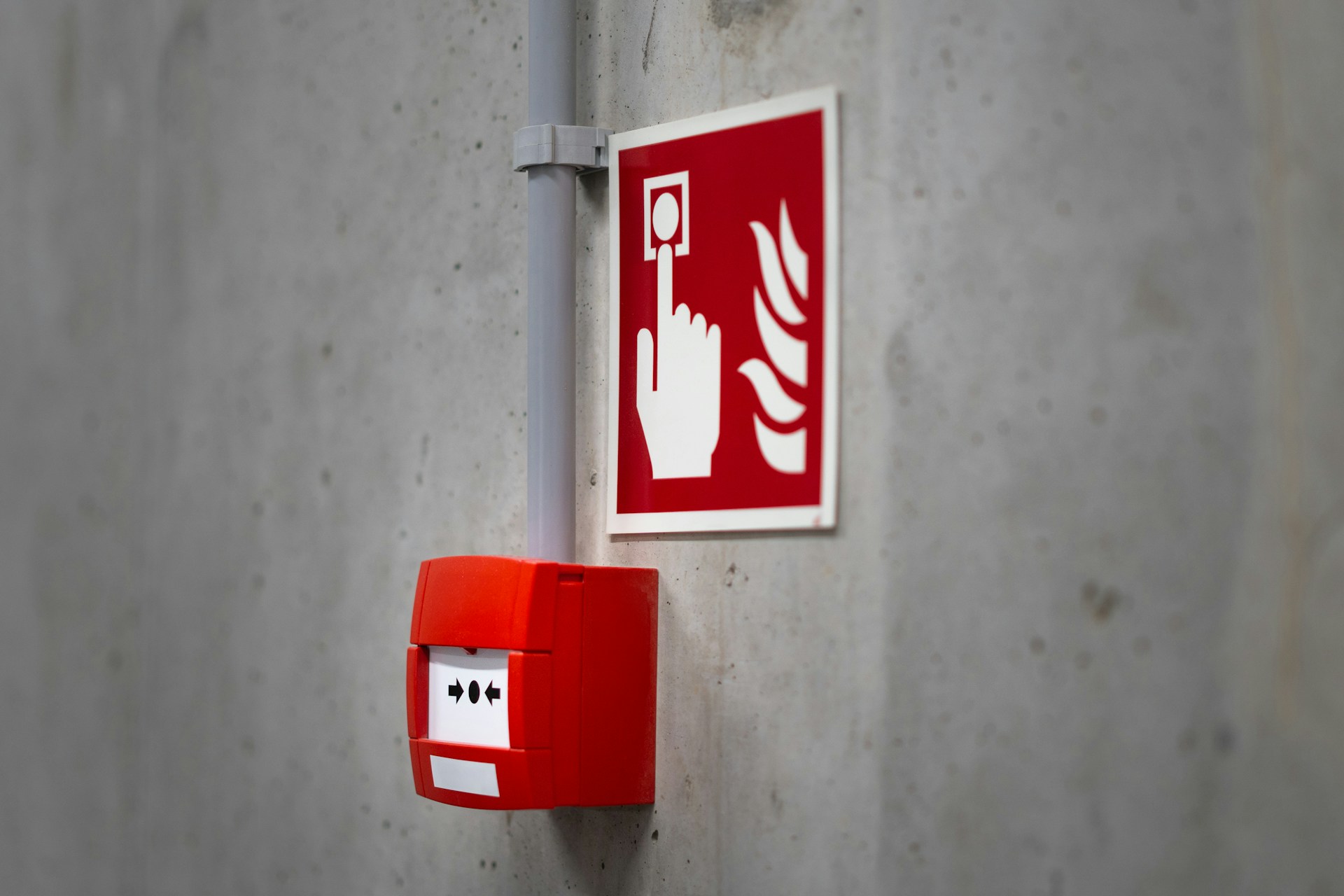
In this guide, you'll discover what Texas law and national fire codes require, who can legally inspect your commercial fire alarm system, what happens during the visit, and how to keep your paperwork audit-ready.
In this guide, you'll discover five concrete warning signs that your access control system is falling behind, what each one costs you in risk, and how to know if a phased upgrade or full replacement fits your property.
In this guide, you'll discover how to spot the security gaps that matter most at apartment communities, how to phase access control and camera installs without shutting down entry points, and how to keep permitting and scheduling from becoming your problem to manage.
Keep reading to learn how self-monitoring and professional monitoring actually work in daily life, what happens during a real emergency, and how to weigh the cost against the risk of a missed alert. You will get a plain-spoken, Texas-grounded look at what protects your property when you cannot respond yourself.
In this guide, you will discover how fire alarms and kitchen suppression differ, what Texas code expects at each stage of construction, and how to keep your restaurant ready long after opening day.
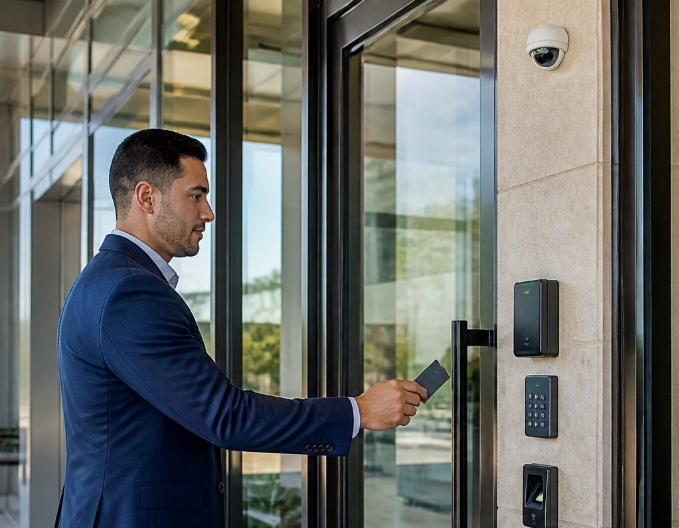
In this guide, you'll discover how these systems work, the credential types available, the hardware behind each door, and how to match a setup to your building. Keep reading for practical, Texas-grounded advice you can use before you ever request a quote.
In this guide, you'll discover how wired and wireless systems actually work, where each one holds up under real commercial conditions, and what it costs to own one over time. You will also see how warehouses, retail storefronts, and office buildings each favor different setups.
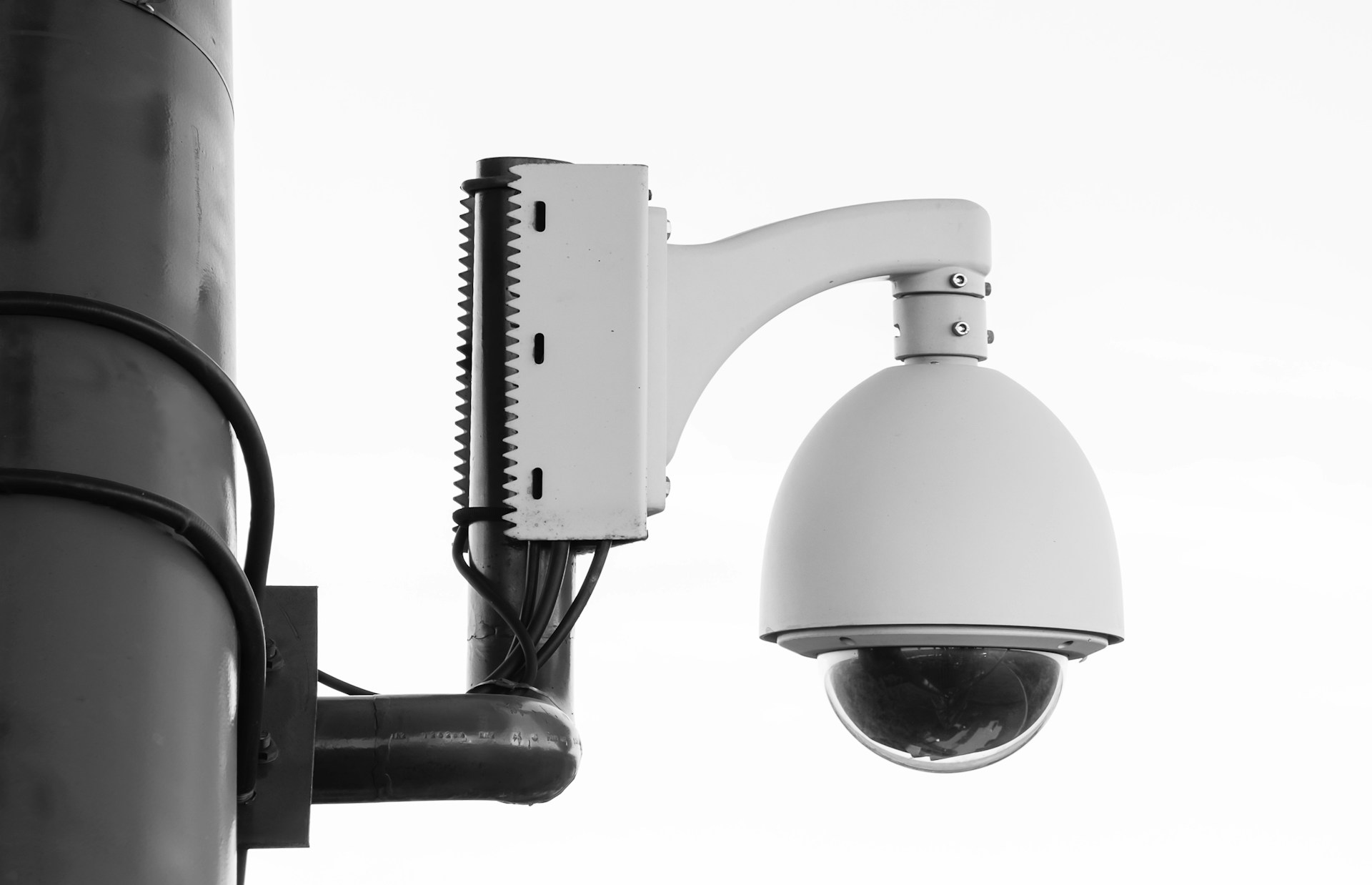
In this guide, you'll discover how video evidence holds up in liability claims, where to place cameras to cover the incidents that matter most, and what privacy rules apply before you ever press record. You'll also learn how to keep footage secure enough to actually help you when a claim lands on your desk.
 support@thealarmmasters.com281-933-390026009 Budde Rd C100 Spring, TX 77380
Texas State License #B-06372
Texas State Fire Alarm License #ACR-1975

.svg)