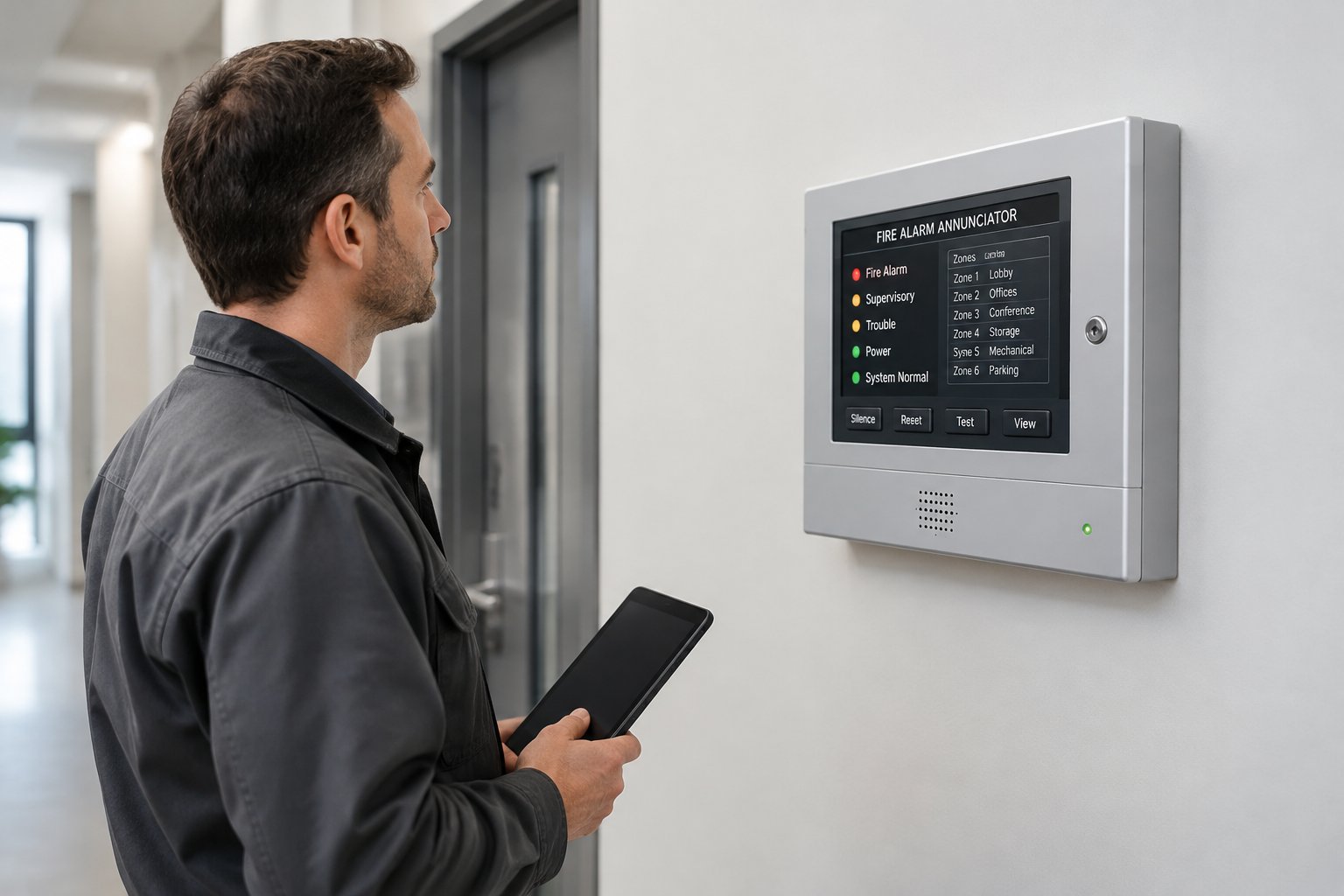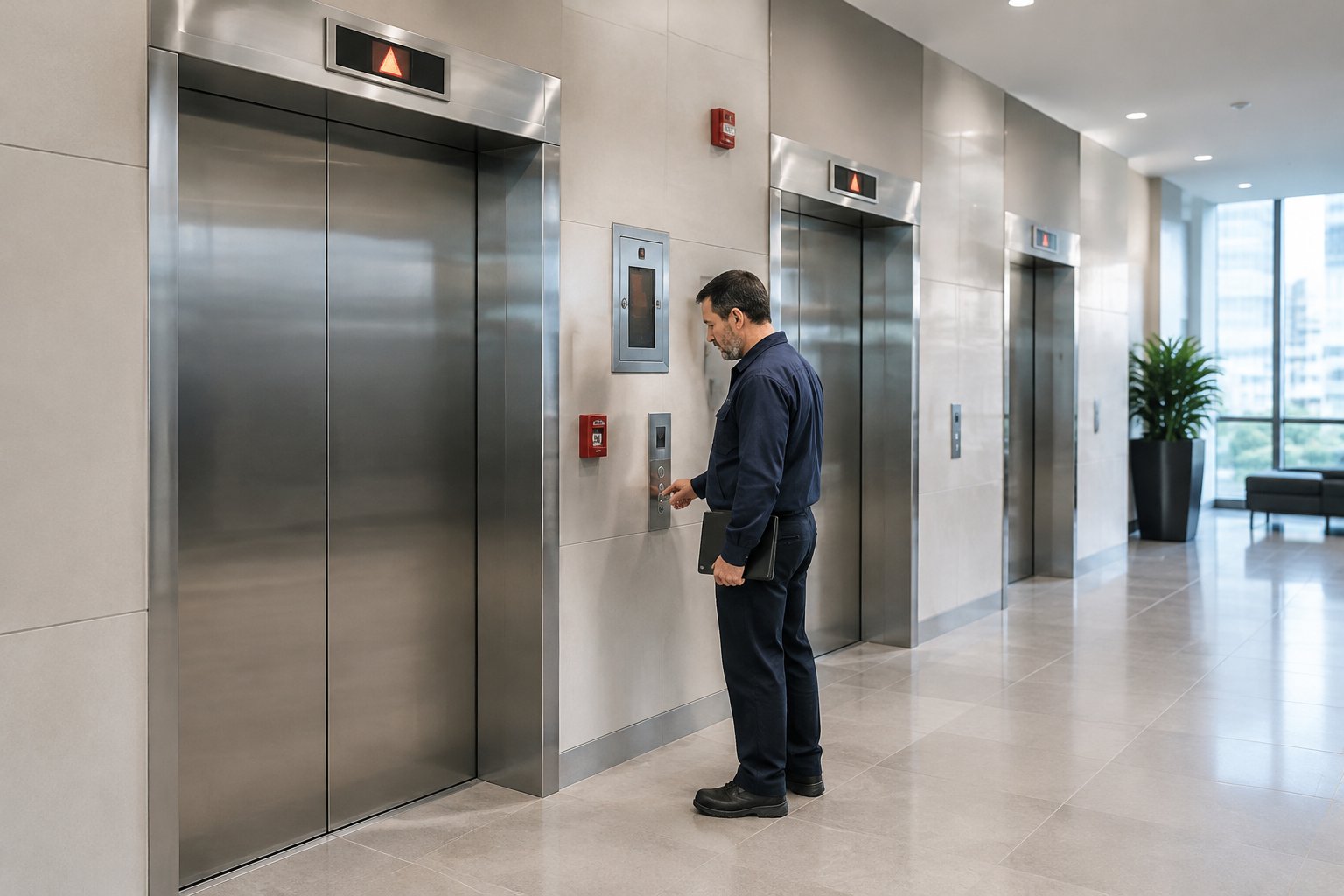
Elevator recall is the fire alarm function that takes elevators out of normal service and sends them to a safe landing when smoke is detected in an elevator lobby, machine room or hoistway. The fire alarm panel signals the elevator controller, and the controller runs Phase I Emergency Recall Operation: cars ignore their calls, travel to the recall floor and park with their doors open for the fire department.
Without recall, an elevator could carry passengers straight to the fire floor and open its doors into smoke. With it, the cars end up where firefighters can take control of them. Getting there takes three trades working from one approved plan: the fire alarm contractor, the elevator contractor and the electrician.
How Phase I Emergency Recall Works
Phase I is automatic. The moment the controller gets a recall signal from the fire alarm, every car in the group cancels its hall and car calls. A car heading away from the recall floor stops at the next landing without opening, reverses and heads back. A car sitting at a floor closes its doors and goes.
When the cars reach the recall floor, the doors open and stay open. Hall buttons stop working, so nobody can call a car back into service. To building staff, this can look like a breakdown. It is actually the system doing its job.
The fire alarm panel does not drive the elevator. It provides relay outputs (dry contacts) to the elevator controller, and the controller carries out the sequence defined in ASME A17.1, the elevator safety code. That split matters later, during testing, because a relay clicking at the panel does not prove the car did what it should.
Phase II: firefighters take over
After Phase I parks the cars, firefighters can use a key switch inside the car to run it manually, called Phase II. The car then answers only to commands from inside the cab, and the doors open only while the firefighter holds the door open button. That protects crews from stepping into smoke on an unknown floor.
Primary vs. Alternate Recall Floor
Every building with recall has a designated level and an alternate level, both agreed with the fire department during design.
The primary (designated) floor is usually the main entrance level where firefighters arrive. Smoke detected in an elevator lobby on any other floor sends the cars here.
The alternate floor is used when smoke is detected in the elevator lobby of the designated floor itself. Sending passengers into that smoke would defeat the point, so the fire alarm panel activates a separate alternate recall output, and the cars go to another approved landing, often one floor up or down.
Machine room and hoistway detectors follow their own rules. Generally they recall the cars to the designated floor, unless the machine room sits on the designated level, in which case the cars go to the alternate floor. The exact logic belongs on your approved sequence of operation.
Mismatched floor designations are one of the most frequent acceptance test problems. The fire alarm drawings, the elevator controller settings and the sequence of operation all have to agree on which floor is which.
Which Detectors Trigger Elevator Recall
Only detectors assigned to recall in the approved design trigger it. A pull station or a smoke detector in an office down the hall sounds the building alarm but typically leaves the elevators running.
Elevator lobby detectors
Smoke detectors in the elevator lobbies, usually on the ceiling near the elevator doors, are the most common recall initiators. Each one is programmed to the primary or alternate recall output based on its floor. Where smoke detection would cause nuisance alarms, such as an open parking garage lobby, the AHJ may accept heat detection instead.
Machine room and control space detectors
Smoke detectors in the elevator machine room or control room start recall and also switch the firefighter's hat symbol in the car to flashing. The flashing hat warns responders that the elevator's own equipment space is involved. In Houston, machine rooms run hot and dusty, and humidity does not help. Those conditions push smoke detectors toward nuisance alarms over time, and every one of those alarms recalls the whole bank.
Hoistway detectors
Where the hoistway has smoke detection (often at the top of the shaft), activation starts recall and the flashing hat, just like the machine room. Hoistway detectors are hard to reach, so plan access for testing and cleaning during design.
Each of these devices is a standard initiating device, but its programming is special. One detector placed in the wrong program group can send the cars to the wrong floor or light the hat steady when it should flash, which inspectors check for. If you are planning a new system or a renovation, Alarm Masters' licensed designers can lay out recall detection and outputs as part of a complete commercial fire alarm system so the sequence is right on paper before rough-in.
Shunt Trip Basics: Cutting Elevator Power
Shunt trip is a separate function from recall. Recall moves the car and keeps it powered. Shunt trip removes main power to the elevator so the car stops wherever it is.
It exists because of sprinklers. When sprinklers protect the machine room, the top of the hoistway or the pit, water on energized elevator equipment and brakes is dangerous. Shunt trip disconnects power before water flows.
How it is triggered
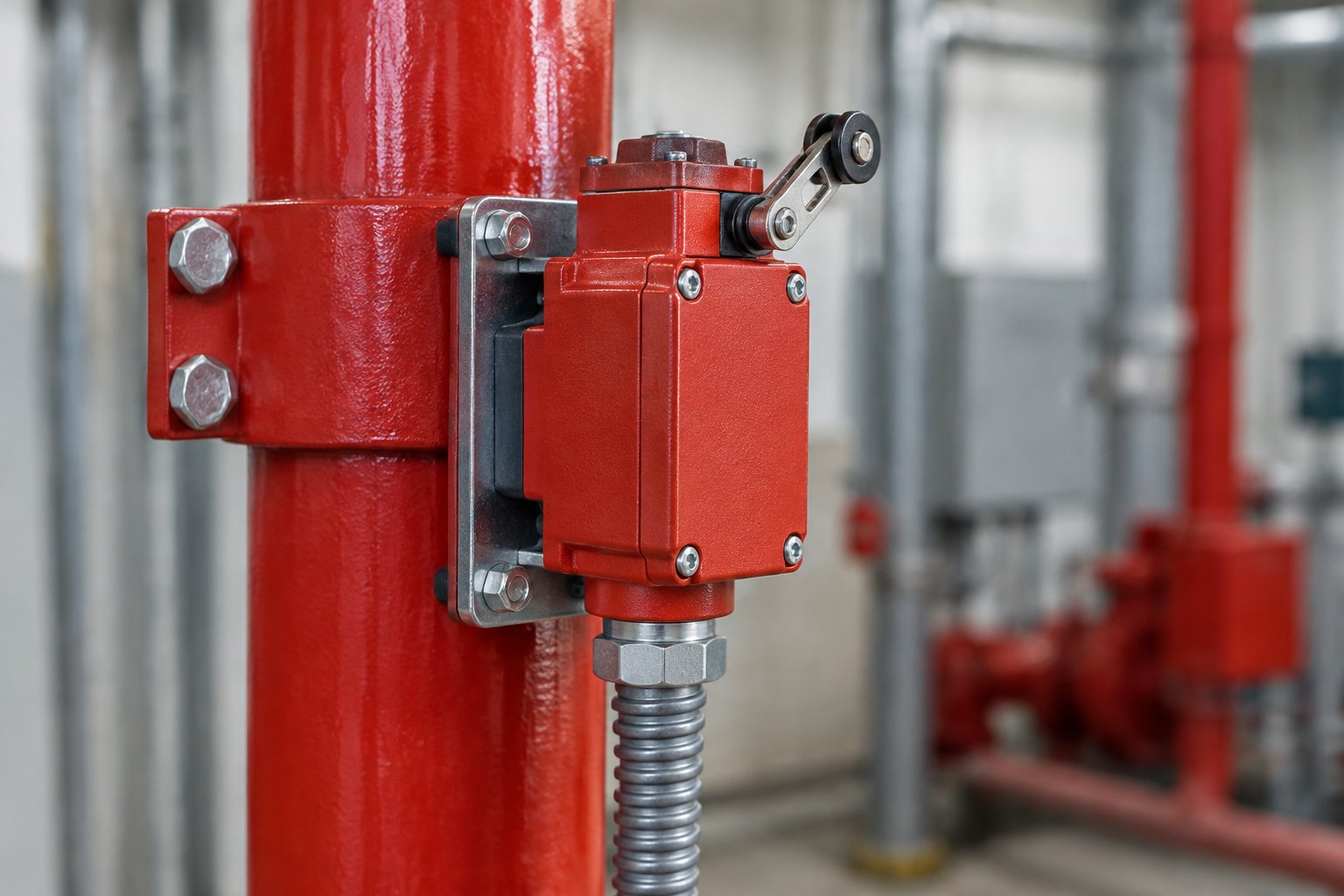
Shunt trip is normally triggered by heat detectors placed near each sprinkler in the elevator space, typically within 2 feet of the head. These heat detectors are rated to respond at a lower temperature than the sprinklers (and with a faster response), so power drops before the head opens. Some designs use a waterflow switch without time delay on the sprinkler line serving those spaces instead.
Smoke detectors should never trigger shunt trip. A dusty machine room detector wired to the shunt relay could strand a car between floors with people inside. The simple field rule: smoke means recall, heat means power shutdown.
Supervision
NFPA 72 calls for the control circuit to the shunt trip breaker to be monitored for integrity, so a dead or disconnected circuit shows as a trouble at the panel. The electrical contractor installs the breaker, and the fire alarm contractor provides the relay and the supervision.
Coordinating With Your Elevator Contractor During Testing
Elevator recall touches three scopes, and most problems happen in the gaps between them. On new construction and renovations, write each piece into the scope letters by name: lobby, machine room and hoistway detectors and their relays to the fire alarm contractor, the controller setup to the elevator contractor, and the shunt trip breaker and control wiring to the electrician.
Before the test
Schedule the elevator technician and the fire alarm technician for the same visit. Place the fire alarm account on test with the monitoring center, notify building occupants and post signs at each elevator lobby, because cars will be out of service for a while. In multifamily and medical buildings, plan around move-ins, patient transport and peak traffic.
During the test
Test every recall device one at a time and watch the car as well as the panel:
- Activate an upper-floor lobby detector and confirm the cars go to the designated floor.
- Activate the designated floor lobby detector and confirm the cars go to the alternate floor.
- Activate each machine room and hoistway detector and confirm both the recall floor and the flashing hat.
- Reset the fire alarm, then have the elevator technician restore normal service at the lobby key switch, since resetting the panel alone does not.
- Test shunt trip in a controlled way with the elevator and electrical trades present, since a live trip on a moving car can strand riders or stress the drive.
Record each device, the floor the cars went to and the hat behavior. In office buildings where several tenants share the elevators, give every tenant notice before recall testing; our guide to a fire alarm system for a multi-tenant building covers how shared systems are scheduled and documented.
After an unexpected recall
If your elevators go into recall with no fire, check the panel event history for the exact device and write it down before anyone resets. Construction dust, vape clouds in a lobby and steam near a machine room vent are common culprits. Repeated recalls from one device usually mean it needs cleaning or replacement, and our fire alarm system testing procedure overview explains how technicians verify detector sensitivity.
Keep Your Elevators Answering to the Fire Alarm
When smoke shows up near the elevators, the cars should go exactly where the fire department expects and stop running only when heat says so. Alarm Masters has handled fire alarm design, installation and testing across Greater Houston since 1990, and our technicians coordinate directly with your elevator company so recall testing happens in one organized visit. Call 281-933-3900 or request a free estimate.
Frequently Asked Questions
Does a sprinkler waterflow alarm recall the elevators?
Typically not. Phase I recall is started by the detectors assigned to it in the elevator lobbies, machine room and hoistway. A waterflow switch only plays a role where it is designed to trigger shunt trip for sprinklers in the elevator spaces, and that cuts power rather than recalling the cars.
Do all elevators need fire alarm recall?
Most passenger elevators in commercial and multifamily buildings require Phase I recall under ASME A17.1, which applies when the elevator is installed or significantly altered. Existing older elevators may follow the code in force when they were installed. Your AHJ and the state elevator inspection program decide what applies to a given car.
Who pays for an elevator recall problem: the alarm company or the elevator company?
It depends on where the fault is. If the panel output never fires, the fire alarm side needs work. If the output fires but the car does not respond correctly, the controller does. Testing with both technicians present is the fastest way to find out.
Can a building fire drill trigger elevator recall?
A fire drill usually uses the notification system without activating recall, but some panels will send recall on any general alarm if programmed that way. Ask your fire alarm technician to confirm how your panel handles drills so the elevators are not taken out of service unexpectedly.
Why does the hat light flash instead of staying steady?
A flashing firefighter's hat means a detector in the machine room, control space or hoistway activated. It warns responders that the fire may involve the elevator's own equipment, and they may choose not to use that car.