.svg)
Medical facilities face constant pressure to protect patients, staff, and sensitive data. At the same time, your building must stay accessible and efficient. The right medical facility security systems help you reduce risk without disrupting care.
Alarm Masters supports Texas healthcare environments with licensed technicians and a 48-hour guaranteed turnaround. From access control to video surveillance, systems are designed to align with compliance standards and daily clinical workflows.
This guide explains the core components of medical facility security systems and how they work together. You’ll learn practical steps to strengthen protection, improve response times, and maintain patient trust.
Core Components of Medical Facility Security Systems
Medical facility security relies on three interconnected systems that work together to protect patients, staff, and sensitive data. Access control manages who enters different areas, video surveillance monitors activities throughout the facility, and intrusion detection alerts staff to unauthorized entry attempts.
Access Control Solutions
Access control systems determine who can enter specific areas of your medical facility. These systems use key cards, badges, biometric scanners, or mobile credentials to grant or deny entry based on staff roles and clearance levels.
You can set different access permissions for various zones in your facility. Staff members might have access to their departments but not to medication storage areas or patient records rooms. This protects sensitive locations from unauthorized access.
Modern access control systems create digital logs of every entry and exit. These records help you track movement patterns and investigate security incidents. You can also program the system to automatically lock or unlock doors at specific times.
Integration with other security systems makes access control more effective. When connected to video surveillance, you can see who used their badge at each entry point. This helps verify that authorized individuals aren't sharing credentials with others.
Video Surveillance Technologies
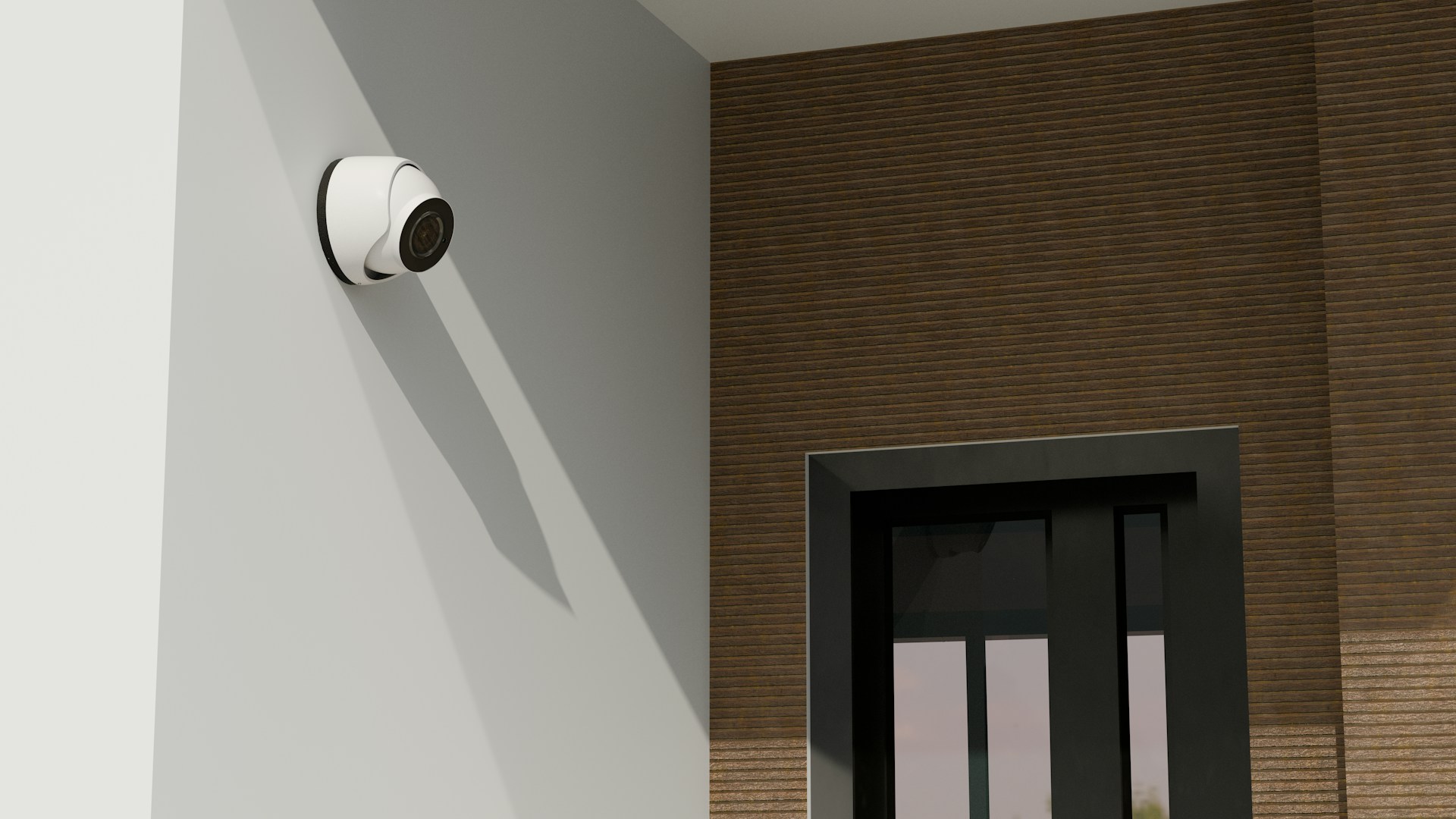
Video surveillance gives you visual coverage of hallways, entrances, parking areas, and other critical locations. Modern cameras provide high-definition footage that helps identify individuals and document incidents clearly.
Your surveillance system should cover both indoor and outdoor areas. Emergency departments, pharmacies, and parking lots are high-priority zones that need constant monitoring.
Some facilities lose 10-20% of key assets to theft annually, making surveillance essential for asset protection.
Unified dashboards let security teams monitor multiple cameras from one central location. This simplifies operations and allows faster response to potential threats. You can review footage in real time or access recorded video when investigating incidents.
Advanced cameras now include features like motion detection and facial recognition. These tools can alert security staff to unusual activity automatically. Night vision capabilities ensure clear footage even in low-light conditions.
Intrusion Detection Systems
Intrusion detection systems alert you when someone attempts unauthorized entry into your facility. These systems use sensors on doors, windows, and other access points to detect forced entry or tampering.
Door and window sensors trigger alarms when opened without proper authorization. Glass break detectors identify the sound of breaking windows.
Motion sensors can protect areas that should be empty during certain hours.
Your intrusion detection system should connect directly to your security team or monitoring service. Immediate alerts allow for quick response to potential break-ins. Some systems can automatically notify local law enforcement when triggered.
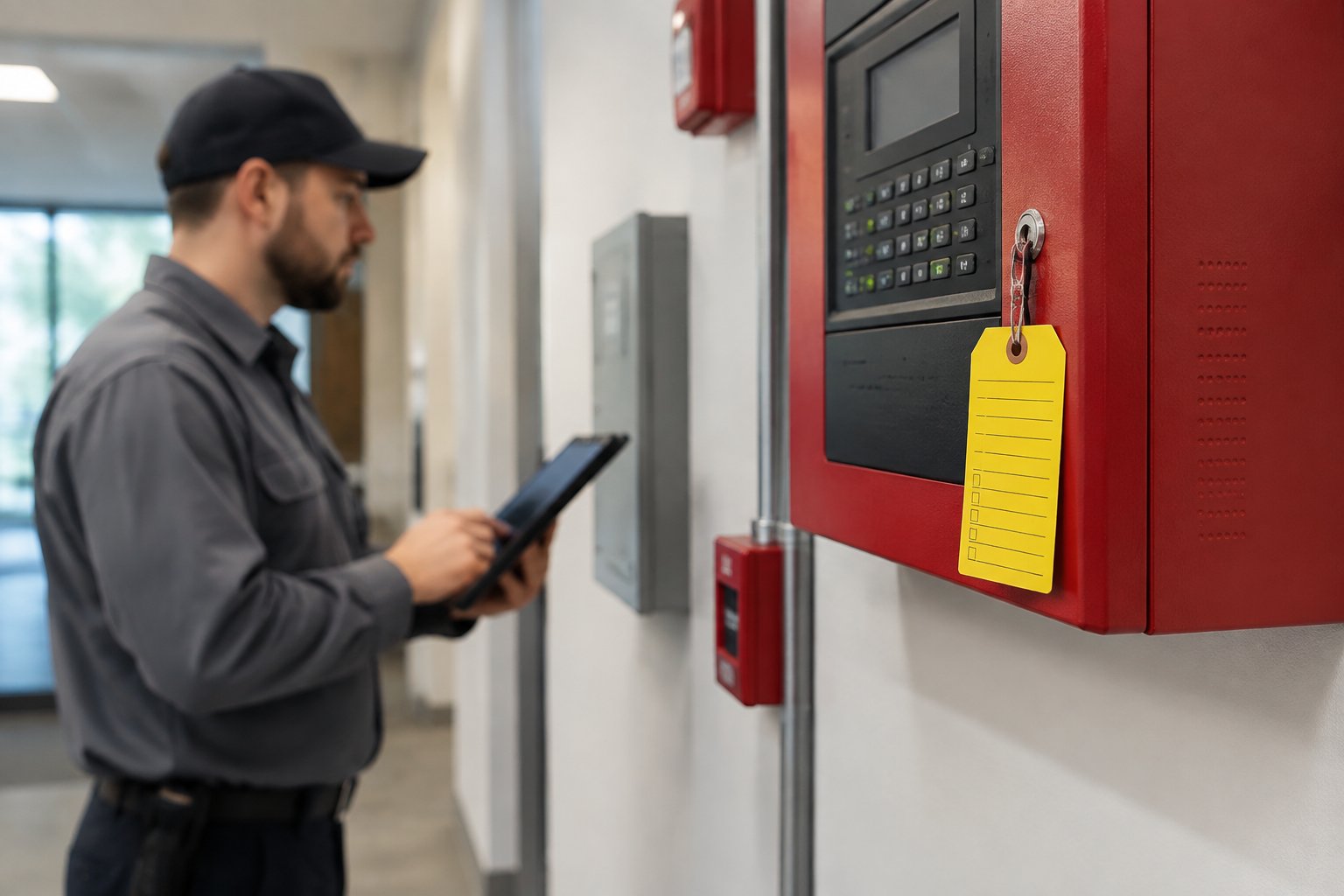
Regular testing keeps intrusion detection systems working properly. You should check sensors monthly and update system software as needed. This maintenance helps prevent false alarms while ensuring real threats get detected quickly.
Specialized Security Protocols for Healthcare Environments
Healthcare facilities need unique security measures that balance patient safety with open access for families and emergency cases. Protocols must protect vulnerable populations like infants and mental health patients while securing medications and controlling who enters sensitive areas.
Visitor Management Practices
Your facility needs a structured visitor check-in system to track who enters and exits the building at all times. Modern visitor management uses digital kiosks or front desk registration, where guests present identification and receive printed badges with photos, names, and timestamps.
You should limit visiting hours in certain departments while maintaining 24/7 access to emergency rooms and intensive care units. Different colored badges can identify visitors, contractors, volunteers, and staff members at a glance.
Your system needs to screen visitors against watchlists and flag individuals with previous security incidents or restraining orders. The registration process should require visitors to state their destination and the patient they plan to see.
You can integrate visitor management with your access control system to restrict badge holders to approved areas only. Emergency lockdown procedures must include the ability to instantly identify all non-staff members in the building and deny entry to new visitors.
Infant and Patient Protection Systems
Your maternity ward requires specialized electronic tagging systems that attach secure bands to newborns and matching bands to parents. These bands trigger alarms if someone attempts to remove an infant from approved areas or cut the band.
You need sensors at all exits that detect infant tags and immediately lock doors while alerting security staff. The system should require two-person verification before any baby leaves the maternity unit.
Pediatric and mental health units need similar protection with patient wander management systems. These electronic tags alert staff when patients approach restricted exits or attempt to leave designated safe zones.
Your camera systems should provide complete coverage of these sensitive areas with no blind spots. Staff members need panic buttons or duress codes to silently call for help during patient incidents.
Controlled Substance Safeguards
Your pharmacy and medication storage areas must use biometric access controls that create audit trails showing exactly who accessed drugs and when. Automated dispensing cabinets should require fingerprint or iris scans plus unique login credentials for each authorized staff member.
You need to implement the two-person rule for high-risk medications, where two separate staff members must verify and document controlled substance removal. Video surveillance should cover all medication storage areas with cameras positioned to capture faces and actions clearly.
Your system must track every transaction from delivery to disposal with real-time inventory monitoring that flags discrepancies immediately. Regular audits compare physical counts against digital records to identify theft or diversion quickly.
Smart safes and time-delay locks add extra protection for the most sensitive medications. You should also monitor for unusual access patterns like off-hours entry or the same person accessing medications too frequently.
Integration With Healthcare Operations
Security systems in medical facilities need to work alongside clinical operations and patient care activities. When security technology connects with hospital systems and staff processes, it creates safer environments without disrupting daily healthcare delivery.
System Interoperability
Your security platform should connect with existing healthcare technology like electronic health records, nurse call systems, and building automation controls. Modern security solutions use open APIs and standard protocols to share data across different systems.
This means your access control can communicate with patient databases to verify credentials. Video surveillance integrates with alarm systems to provide visual verification during emergencies.
Key integration points include:
- Patient registration and admission systems
- Credentialing and staff databases
- Building management and HVAC controls
- Fire alarm and life safety systems
When these systems talk to each other, you get better situational awareness. If an access control event triggers in a restricted area, your security team can immediately pull up video footage and check staff credentials without switching between multiple platforms.
Staff Workflow Alignment
Your security measures should fit naturally into how healthcare workers do their jobs. Badge readers need placement at convenient locations where staff already pass through during rounds.
Alert systems must deliver notifications through channels your team actually uses, like mobile devices or desktop computers they’re already monitoring.
Staff training on security protocols works best when integrated into existing orientation programs. You should design access permissions that match actual job roles and shift schedules.
A nurse working night shift needs different access levels than the administrative staff working during the day.
Security checkpoints and procedures should account for emergency situations where medical teams need rapid access to patients or equipment. Your systems need override capabilities for true emergencies while still maintaining audit trails.
Emergency Response Coordination
During medical emergencies, security systems must support rapid response from both clinical and security staff. Panic buttons in patient rooms and treatment areas should immediately alert security personnel while also notifying nursing supervisors.
Your system can automatically unlock specific doors, adjust camera views to emergency locations, and send alerts to designated response teams.
Integration with hospital emergency operations centers allows security data to inform broader incident management. When a code blue or security threat occurs, your unified system provides real-time location tracking and status updates to all relevant personnel.
You can program your security platform to follow established emergency protocols automatically. This includes controlling elevator access, managing lockdown procedures, and coordinating with local law enforcement when needed.
Regulatory Compliance and Risk Management
Medical facilities must meet specific federal regulations for protecting patient data and reporting security incidents. These requirements shape how you design and manage your security systems.
HIPAA Security Requirements
HIPAA requires you to protect electronic protected health information (e-PHI) through administrative, physical, and technical safeguards. Your security system plays a direct role in meeting these standards.
Physical safeguards include access controls like keycard systems, biometric scanners, and surveillance cameras that monitor who enters areas where patient data is stored. You need to restrict access to servers, medical records rooms, and workstations that contain e-PHI.
Technical safeguards require you to implement audit controls that track who accesses patient information. Your security system should create automatic logs of entry attempts, badge swipes, and camera footage. These records help you identify unauthorized access attempts.
You must conduct regular risk assessments to identify vulnerabilities in your facility. This means testing your access controls, reviewing security footage storage, and checking if backup systems work properly.
Many facilities struggle with compliance because they lack the staff and budget for ongoing monitoring, but starting with basic access controls and logging systems helps you meet minimum requirements.
Incident Reporting Standards
You must document and report security breaches according to state and federal guidelines. Your security system should help you collect evidence when incidents occur.
When unauthorized access happens, you need detailed records showing what occurred. Video footage, access logs, and timestamps provide the documentation required for incident reports.
Your system should store this data securely for the time period your state requires.
You should establish clear procedures for reporting different types of incidents. Data breaches involving 500 or more patients require notification to HHS within 60 days.
Physical security breaches like unauthorized entry to restricted areas need internal documentation even if they don't involve data exposure.
Your security team needs training on recognizing reportable incidents. Not every access control failure requires external reporting, but you must document all security events for internal audits.
Emerging Trends in Medical Facility Security
Medical facilities are adopting artificial intelligence to detect threats faster and implementing mobile-based systems that allow security teams to monitor and control access from anywhere.
AI-Powered Threat Detection
AI-powered security systems use machine learning to identify potential threats in real time. These systems can analyze video feeds to spot unusual behavior patterns, unauthorized access attempts, or safety hazards before they become serious problems.
The technology works by learning what normal activity looks like in your facility. When something unusual happens, the system alerts your security team immediately. This means you can respond to incidents faster than relying on human monitoring alone.
Key benefits include:
- Automatic detection of weapons or aggressive behavior
- Recognition of falls or medical emergencies in common areas
- Tracking of unauthorized entry into restricted zones
- Reduced false alarms compared to traditional motion sensors
Healthcare facilities using AI security report better patient safety outcomes and improved staff response times. The systems work around the clock without fatigue, providing consistent monitoring coverage across all areas of your facility.
Mobile Access and Remote Monitoring
Mobile access control lets you manage security through smartphones and tablets instead of traditional key cards or physical keys. Your staff can unlock doors, view camera feeds, and receive security alerts from any location with internet access.
This technology is particularly valuable for facilities with multiple buildings or campuses. You can grant or revoke access permissions instantly without needing to collect physical credentials or rekey locks.
Remote monitoring capabilities allow your security team to view live camera feeds and control door locks from off-site locations. This flexibility means you can maintain strong security even with smaller on-site teams, which helps reduce staffing costs while maintaining protection levels.
Strengthen Security Without Disrupting Patient Care
Medical facilities cannot afford security gaps, but they also cannot afford operational slowdowns. The right medical facility security systems reduce risk, protect privacy, and support faster response times without interrupting clinical workflows.
Alarm Masters delivers licensed, compliant installations with a 48-hour turnaround and ongoing support. From access control to surveillance and intrusion detection, solutions are built to protect people, property, and sensitive information.
Ready to close security gaps and improve visibility across your facility? Schedule service now.
Frequently Asked Questions
What Are Medical Facility Security Systems?
Medical facility security systems are integrated solutions designed to protect patients, staff, visitors, and sensitive data. They typically include access control, video surveillance, intrusion detection, and monitoring tools working together.
These systems help healthcare environments reduce unauthorized access, improve emergency response, and maintain regulatory compliance without disrupting patient care.
Why Are Medical Facility Security Systems Important For Healthcare Facilities?
Healthcare environments operate 24/7 and manage controlled substances, private health information, and vulnerable patients. Security gaps can lead to theft, safety risks, or compliance violations.
A well-designed system strengthens protection while keeping the facility welcoming and accessible for families and emergency cases.
How Do Access Control Systems Improve Hospital Security?
Access control restricts entry to sensitive areas such as pharmacies, data rooms, and maternity units. Staff credentials determine who can enter specific zones based on role and clearance level. Modern systems also create digital audit trails, helping administrators track activity and investigate incidents quickly.
What Areas Should Be Monitored With Video Surveillance?
High-priority areas typically include entrances, emergency departments, parking lots, medication storage rooms, and infant care units. Strategic camera placement provides visibility across critical zones while respecting patient privacy and regulatory standards.
How Do Medical Facility Security Systems Support HIPAA Compliance?
Security systems help enforce physical safeguards required under HIPAA by controlling access to areas where electronic protected health information is stored. Access logs, surveillance records, and intrusion alerts provide documentation that supports audits and incident investigations.
Can Security Systems Be Integrated With Existing Healthcare Technology?
Yes. Modern medical facility security systems can integrate with electronic health records, nurse call systems, and building management platforms. Integration improves coordination during emergencies and allows security teams to respond faster without interrupting clinical operations.
How Often Should Medical Facility Security Systems Be Reviewed Or Updated?
Facilities should conduct regular risk assessments and test system components throughout the year. Technology updates, staff changes, and evolving compliance standards may require periodic adjustments to maintain effectiveness and coverage.



.svg)


.svg)