.svg)

Break-ins, theft, and unauthorized access can disrupt operations and put your business at risk. Commercial intrusion detection systems help detect suspicious activity early, giving you time to respond before damage or loss occurs. The goal is simple: protect your people, property, and peace of mind.
Businesses across Texas rely on Alarm Masters for intrusion detection systems that are licensed, code-compliant, and installed fast, often within a 48-hour guaranteed turnaround. The focus is practical protection that works day and night without adding complexity.
This guide explains how commercial intrusion detection systems work, which features matter most, and how to choose the right setup for your property. You will learn what to look for, so your security investment solves real problems, not just checks a box.
What Are Commercial Intrusion Detection Systems?
A commercial intrusion detection system is a security network built to detect unauthorized entry into your business. Sensors are typically placed at key access points such as doors, windows, gates, and other likely entry points.
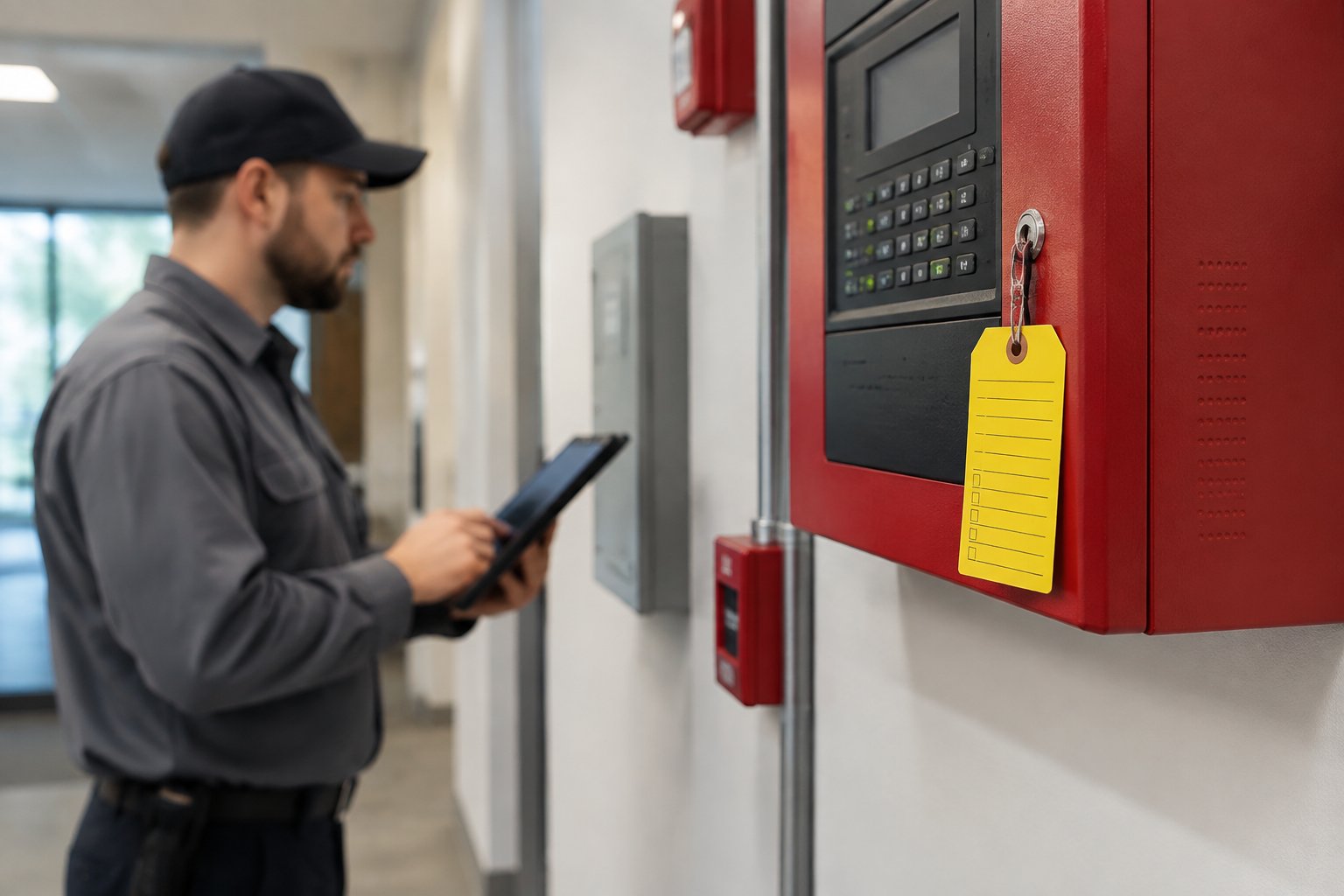
At the center is a control panel that processes sensor signals. When a sensor is triggered, the system can notify you, the security team, or a monitoring service about a possible breach.
Modern systems cover more than doors and windows. Options include motion detectors for restricted areas, glass-break sensors that detect the sound of breaking glass, and seismic sensors for forced-entry attempts. Some setups also use smart radar and analytics to reduce false alarms.
Your system runs all day, every day, even when the building is empty. That constant watch provides early warning so you can respond before a situation escalates.
How They Differ From Residential Systems
Commercial systems are built for larger spaces and more complex layouts than typical home systems. Businesses often have more entry points, multiple security zones, and areas that need different levels of protection.
Commercial systems also scale bigger. You might need dozens or hundreds of sensors, compared to a handful in a residence. Control panels support more devices and allow different user codes, roles, and access levels.
They can also integrate with other security tools. Many businesses connect intrusion detection with access control, video surveillance, and professional monitoring so everything works together.
If you operate in a regulated environment, you may also need features or documentation that go beyond what residential systems offer.
Industry Applications
Retail stores use commercial intrusion detection systems to protect merchandise and reduce after-hours theft. Door and window sensors can work with motion detection to secure sales floors, stockrooms, and cash-handling areas.
Office buildings rely on intrusion detection to protect sensitive information and expensive equipment. Multi-zone setups can secure different areas based on who needs access and when.
Warehouses and distribution centers often need perimeter protection across large footprints. Outdoor sensors, fence detection, and long-range motion detection can monitor docks and storage zones.
Healthcare facilities use these systems to protect patient privacy, medications, and medical equipment. Specialized sensors are common in pharmacies and restricted rooms.
Manufacturing plants protect machinery, raw materials, and finished goods. Devices may be selected for durability so they remain reliable in demanding environments.
Key Features Of Modern Commercial Intrusion Detection Systems
Modern commercial intrusion detection systems rely on advanced sensors, coordinated alarms, and remote access. Together, these pieces help spot threats quickly and notify the right people.
Sensor Technologies
Today’s systems use multiple sensor types to catch different risks. Motion detectors detect movement, while door and window contacts trigger when an entry point opens, and glass break sensors listen for the acoustic signature of breaking glass.
Smart radar can extend coverage to large outdoor spaces such as parking lots. These systems can help distinguish people, vehicles, and animals, potentially reducing nuisance alerts.
Infrared sensors detect heat signatures, which can help in low light or poor weather. Many effective designs layer sensor types in the same area, making it harder for intruders to bypass detection.
Integrated Alarm Systems
When a sensor triggers, the alarm system should respond immediately. Modern setups link sensors to a central panel that processes alerts and can activate sirens, flash lights, or trigger door locks.
Many systems also support additional safety monitoring, such as fire, smoke, water leaks, and carbon monoxide detection. Some can detect tampering or unusual system behavior.
Alerts can arrive through multiple channels such as text, phone call, email, and app notifications. Depending on the configuration, the system can also notify a monitoring center or law enforcement.
Remote Monitoring Capabilities
Remote access lets you manage your system from a phone, tablet, or laptop. Many apps allow arming and disarming, viewing sensor status, and reviewing alerts. Some systems include live video views so you can verify what is happening.
Remote monitoring helps you respond even when you are off-site. If you get an after-hours alert, you can check cameras before deciding whether to escalate. You can also issue temporary access codes for employees or contractors without adding physical keys.
Systems typically log key events like arming, disarming, and user activity. That history helps you identify patterns and adjust security practices over time.
Types Of Commercial Intrusion Detection Systems
Commercial intrusion detection systems generally fall into three categories: perimeter detection for property boundaries, interior protection for inside spaces, and hybrid solutions that combine both approaches for broader coverage.
Perimeter Detection
Perimeter detection creates a security layer along your property’s boundaries. The goal is to identify threats early, before someone reaches the building.
Common perimeter devices include:
- Motion-activated cameras that record when they detect movement
- Infrared beam sensors that trigger when a beam is broken
- Fence vibration sensors that detect climbing or cutting
- Microwave detectors that detect outdoor movement
These devices report to a central panel, which can quickly alert you or your team. Early warning can provide more time to verify activity and respond.
Perimeter detection is often useful for properties with large outdoor areas such as warehouses, factories, remote buildings, parking lots, loading docks, and equipment yards.
Interior Protection
Interior protection focuses on detecting movement or entry within the building. Typical coverage includes doors, windows, hallways, and rooms that hold valuable items or sensitive information.
Common interior sensors include door and window contacts, infrared motion detectors, and glass break sensors for areas with windows or glass doors.
You can configure zones, so some areas stay armed while others remain accessible during business hours. For example, a server room might stay protected 24/7 while office spaces arm only overnight.
Businesses often use keypads, cards, or user codes to control interior protection. When a sensor triggers, the system can send alerts to you, a monitoring service, or a security team.
Hybrid Detection Solutions
Hybrid systems combine perimeter and interior protection into one coordinated network. This approach gives multiple opportunities to detect an intruder before damage occurs.
Hybrid designs can automate responses across devices. For example, a perimeter alert can prompt interior cameras to start recording, while indoor motion detection can trigger additional lighting or targeted notifications.
All devices report through a single control panel and monitoring platform. Seeing perimeter and interior events in one place can speed up verification and decision-making.
Hybrid systems are also flexible. Many businesses start with core coverage and expand over time as their footprint grows or risks change.
Benefits Of Implementing An Intrusion Detection System In Businesses
Adding a commercial intrusion detection system helps protect assets, supports a safer workplace, and may reduce insurance costs. Many businesses see value through theft reduction, operational confidence, and better documentation.
Loss Prevention
Commercial intrusion detection systems help protect inventory, equipment, and other valuables. If someone attempts a break-in, sensors can trigger alarms and notify the right contacts quickly, which may reduce the time a criminal has on-site.
The system watches entry points around the clock, even when the building is empty. Layered coverage, such as door contacts plus motion detection, makes it harder to enter unnoticed.
Visible security measures can also discourage attempts. Signage, cameras, and alarm indicators often make intruders think twice before targeting a location.
Remote alerts keep you informed. Real-time notifications allow you to verify activity and escalate when needed, especially after hours.
Enhanced Employee And Customer Safety
Intrusion detection supports on-site safety for people, not just property. During business hours, panic buttons can give staff a fast way to request help during a threatening situation.
Access control features can limit entry to restricted areas. That helps protect storage rooms, server closets, and offices with sensitive information, reducing both external and internal risk.
After hours, monitoring can support employees working late. Perimeter awareness, lighting triggers, and alerts can help staff feel safer when closing or leaving at night.
Customers notice security practices as well. A well-protected environment can improve confidence for visitors and clients.
Insurance And Liability Advantages
Some insurers offer premium reductions for monitored commercial intrusion detection systems. Savings vary, but the combination of detection and documented monitoring may strengthen a business’s risk profile.
Professional monitoring and event logs can help support incident documentation. Clear timelines and alert records can make claims and internal reviews more straightforward.
Security measures can also reduce liability exposure. If an incident raises questions about the reasonable precautions you took, a documented intrusion detection plan can help demonstrate that you took practical steps.
In some cases, security documentation can help with vendor requirements or contract expectations, especially when sensitive data or high-value property is involved.
Selecting The Right System For Your Commercial Property
Choosing the right commercial intrusion detection system starts with a risk assessment, then ensuring the technology fits your environment and can scale. A realistic budget should account for installation, monitoring, and ongoing upkeep.
Assessment Of Security Needs
Start by evaluating your property for vulnerabilities. Identify every entry point, such as doors, windows, docks, and ground-level access areas. Decide what you need to protect most, such as inventory, equipment, sensitive data, or employee-only zones.
Consider your operating schedule. A 24/7 business has different needs than one that is empty overnight. If you have late shifts, deliveries, or cleaning crews, you may need multiple access levels and zone schedules.
Your industry also matters. A retail shop faces different threats than a warehouse or office. If you store high-value goods, you may need additional layers, such as glass-break detection, motion detection, and strict access control.
Also, review local conditions. Neighborhood crime trends and any past incidents at your site can help guide whether you need baseline coverage or more advanced detection.
Compatibility And Scalability Considerations
Your commercial intrusion detection system should integrate with the tools you already use. Confirm compatibility with video surveillance, access control, and fire alarm coordination where appropriate.
Integration can simplify monitoring and reduce duplication. Ask whether the platform supports open standards or requires proprietary equipment.
Systems designed for expansion make growth easier. Adding sensors, adding users, or covering additional buildings should not require starting over.
Cloud-based platforms often make scaling simpler through software updates and centralized dashboards. On-premises systems can still scale, but planning for capacity up front matters.
Cost And Budget Planning
Costs vary based on building size, sensor count, and complexity. Small installations may fall in the hundreds to low thousands, while multi-zone properties can run higher, especially with perimeter detection and integrations.
Monitoring fees are typically monthly and vary by service level. Professional monitoring provides 24/7 response support, while self-monitoring may reduce cost but shifts responsibility to your team.
Budget for maintenance, such as battery replacements, device updates, and periodic testing. Staff training helps reduce false alarms and avoid fines, particularly in jurisdictions with strict false alarm policies.
When comparing proposals, look beyond the lowest price. Better equipment, stronger support, and clearer documentation can reduce headaches over the life of the system.
Protect Your Business Before Problems Start
Break-ins and unauthorized access can lead to lost inventory, downtime, and safety concerns. Commercial intrusion detection systems help spot issues early, giving you time to respond and limit disruption. The right setup focuses on prevention, visibility, and fast alerts.
Alarm Masters helps businesses secure their properties with licensed installations, responsive support, and systems designed for real-world risks. From small storefronts to complex facilities, the goal is reliable protection without unnecessary complexity.
If you want to reduce risk and protect what matters most, schedule service now to review your property and security needs.
Frequently Asked Questions
What Is A Commercial Intrusion Detection System?
A commercial intrusion detection system is designed to detect unauthorized access in business properties. It uses sensors, alarms, and monitoring to alert you when doors, windows, or protected areas are breached. These systems help reduce theft, vandalism, and safety risks.
How Do Commercial Intrusion Detection Systems Work?
Commercial intrusion detection systems rely on sensors placed at entry points and key interior areas. When a sensor detects unusual activity, it sends a signal to a control panel. The system then triggers alerts locally, remotely, or through professional monitoring.
Are Commercial Intrusion Detection Systems Different From Burglar Alarms?
Yes. While burglar alarms focus mainly on sounding an alert, commercial intrusion detection systems offer layered protection. They often integrate motion detection, perimeter monitoring, access control, and remote management for more complete coverage.
Can Commercial Intrusion Detection Systems Reduce False Alarms?
Modern systems are designed to minimize false alarms through advanced sensor technology. Dual-technology sensors, analytics, and zoning help distinguish real threats from routine movement or environmental changes. Proper setup and training also play a major role.
Do Commercial Intrusion Detection Systems Work After Business Hours?
Yes. These systems monitor your property 24/7, even when no one is on-site. After hours, they provide early alerts for suspicious activity, helping you respond quickly and reduce potential damage or loss.
Can Intrusion Detection Systems Integrate With Other Security Tools?
Commercial intrusion detection systems often integrate with video surveillance, access control, and fire alarms. Integration allows coordinated responses, such as activating cameras when motion is detected or restricting access during an alarm event.
What Types Of Businesses Benefit Most From Intrusion Detection?
Retail stores, offices, warehouses, healthcare facilities, and manufacturing sites all benefit from commercial intrusion detection systems. Any business with valuable assets, sensitive information, or after-hours exposure can gain added protection.
How Do I Know What Type Of System My Business Needs?
The right system depends on your building size, layout, operating hours, and risk level. Many businesses start with door and motion detection, then add perimeter or advanced sensors as needed. A site assessment helps identify the most effective setup.
Are Commercial Intrusion Detection Systems Scalable?
Yes. Most modern systems are built to grow with your business. You can add sensors, zones, users, or locations over time without replacing the entire system.
How Often Should Commercial Intrusion Detection Systems Be Tested?
Regular testing is recommended to ensure sensors, alarms, and communication paths work properly. Many businesses schedule periodic inspections and system checks to maintain reliability and reduce unexpected issues.



.svg)


.svg)