.svg)
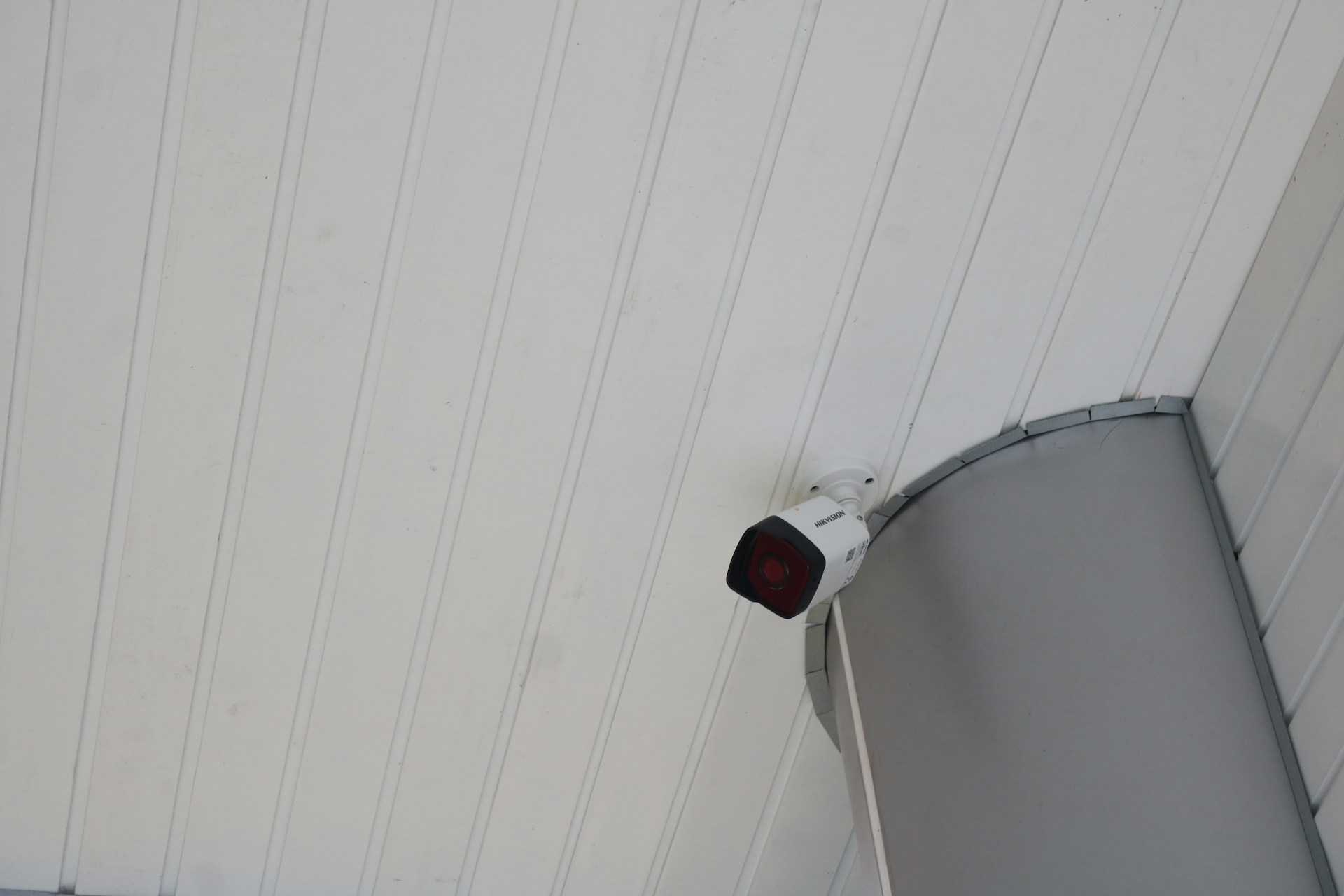
Managing risk today is more complicated than ever. Break-ins, internal theft, and cyber threats can hit from multiple angles at once. Integrated security solutions for businesses help close those gaps by connecting cameras, access control, alarms, and monitoring into one coordinated system.
With over 35 years of experience, Alarm Masters delivers licensed, compliant systems across Texas with a 48-hour guaranteed turnaround. Instead of piecing together disconnected tools, businesses get a streamlined solution designed to protect people, property, and data.
This guide explains how integrated security solutions for businesses work, what components matter most, and how to choose the right setup. You’ll walk away with clear next steps to strengthen protection without adding unnecessary complexity.
What Are Integrated Security Solutions?
Integrated security solutions pull together multiple protection systems under one roof. They combine physical barriers, digital defenses, and monitoring tools, creating a real network instead of a bunch of disconnected gadgets.
Definition and Core Concepts
An integrated security solution connects different security tools so they act as one unit. Instead of juggling separate systems for cameras, alarms, and access control, you manage everything from a single platform.
You get to monitor and control all your security measures in one place. When your systems talk to each other, they react to threats much faster and automatically share important info.
It’s a straightforward idea: connected security just works better. If your alarm picks up a break-in, it can trigger cameras to record and lock down doors; there's no need to run around activating each system by hand.
Components of Integrated Security
Your integrated security system can include several crucial parts that cover different angles:
Physical Security Components:
- Video surveillance cameras and recording systems
- Access control for doors and gates
- Intrusion sensors and alarms
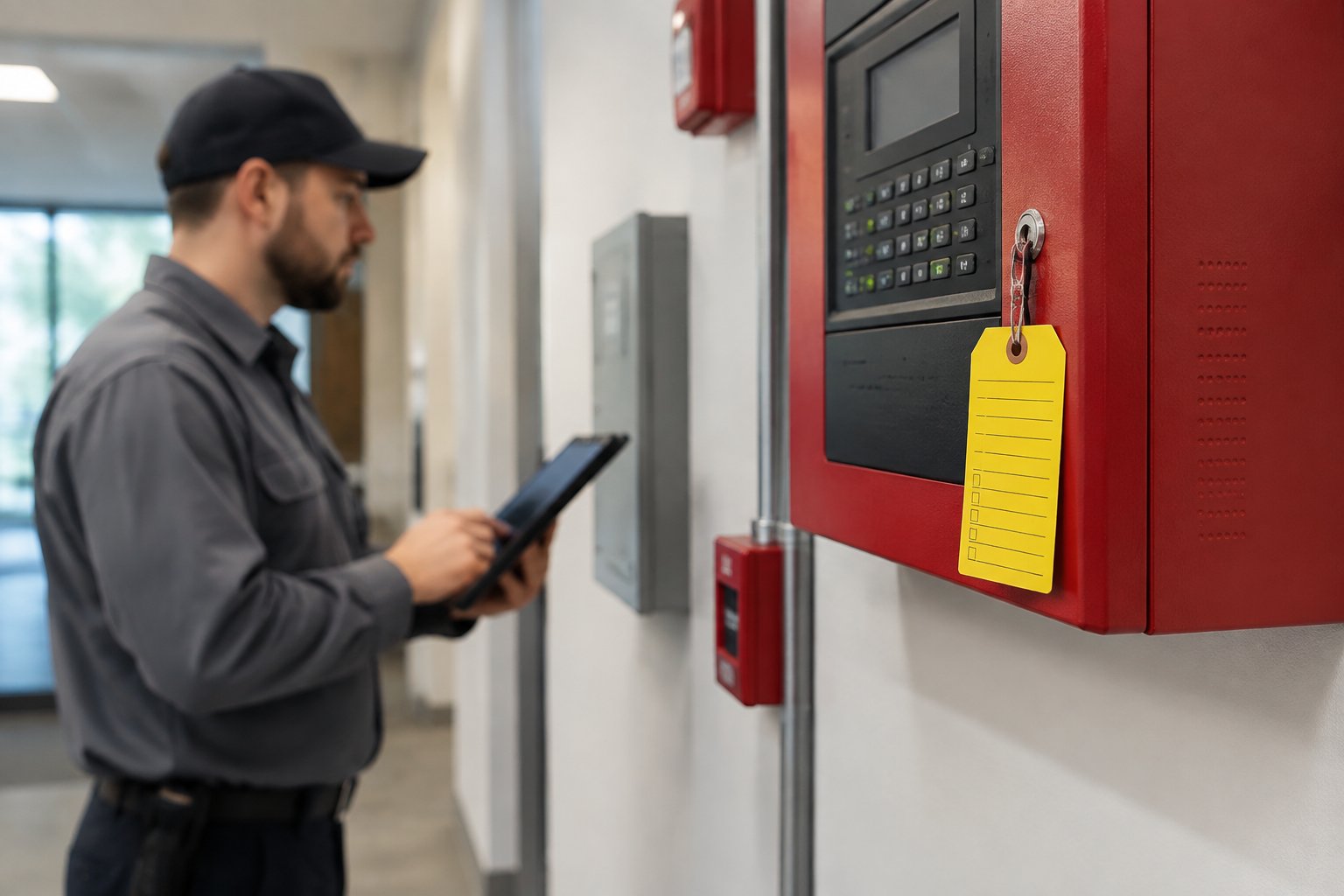
- Fire panels and emergency systems
Digital Security Components:
- Cybersecurity tools to guard your network
- Cloud storage for footage
- Mobile apps for remote check-ins
- Analytics software that flags weird activity
Each piece connects to a central dashboard. You get live camera feeds, entry logs, and alerts, all right there, no hopping between clunky apps.
Physical vs. Digital Security Integration
Physical security protects your buildings and people with real-world barriers and monitoring. Digital security shields your data and networks from hackers.
Modern integrated solutions blur that line. Maybe your door needs both a key card and a password. Maybe your cameras send footage straight to the cloud and use AI to flag suspicious moves.
When you mix physical and digital security, you shut more doors on would-be criminals. A thief might sneak past locks, but digital alerts ping the authorities right away. A hacker might break into your network, but access logs can show if they ever set foot in the building.
This double-layered approach just makes sense, since most threats these days target both sides at once.
Benefits of Integrated Security Solutions for Businesses
Integrated security systems really do make a difference: better protection, easier management, and smarter spending. They close gaps and simplify your security life.
Enhanced Protection and Risk Reduction
Integrated security layers your defenses, making it tough for threats to slip through. Cameras, access controls, and alarms work together, spotting patterns that solo systems would miss.
Your system reacts faster because everything shares info instantly. If someone tries to sneak into a restricted area, the doors can lock, cameras record, and your team gets an alert, all at once.
This teamwork cuts down on blind spots. Employees, customers, and assets get better protection because the pieces back each other up.
When you combine data from different tools, you can spot trouble early and fix weak spots before they turn into real problems.
Centralized Management and Monitoring
You handle everything from one dashboard. No more juggling five different logins just to check cameras or set alarms. Your security team sees exactly what’s happening, right when it happens. That means faster decisions and fewer mistakes.
One system is easier to learn, so your staff gets up to speed quicker. Fewer errors, more consistency, always a win. You can pull detailed reports from all your security tools. These help you track trends, prove compliance, and plan upgrades.
Cost Efficiency and ROI
An integrated system generally costs less than piecing together separate solutions. You save on hardware, installation, and even the time it takes to get everything running.
Ongoing costs drop, too. One maintenance contract instead of five, easier updates, and support that doesn’t send you in circles.
Typical cost savings:
- Lower equipment and setup bills
- Reduced monthly monitoring costs
- Less IT time spent babysitting systems
- Lower energy bills from shared hardware
- Fewer staff hours wasted on security busywork
The system usually pays for itself in a couple years, thanks to less theft, fewer false alarms, and smoother operations.
Scalability for Growing Businesses
Your security system should grow with you, not hold you back. You can add cameras, doors, or even new locations without tossing everything and starting over. Flexible designs make it easy to adjust as your needs change. Open a new warehouse? Just extend your current setup.
Cloud-based solutions make scaling even easier. No need to buy more servers or worry about storage limits. New tech, like AI analytics, can slot right in. You can upgrade without a big, messy overhaul.
Essential Components of Business Security Systems
Modern security setups mix and match several key technologies. Each one covers a specific need, from keeping out unwanted visitors to protecting sensitive data.
Access Control Systems
Access control decides who gets in, and when. Forget old-school keys; now it’s key cards, PINs, or even fingerprints and facial recognition.
You can set custom permissions for each employee. Maybe a warehouse worker only gets the loading dock, while managers access more sensitive areas. The system logs every entry and exit, so you always know who’s coming and going.
Modern access control ties into your network, so you can add or remove people instantly. Lost card? Just deactivate it, no need to change locks. You can even set schedules, locking certain areas after hours.
Video Surveillance and Monitoring
Video surveillance keeps an eye on things 24/7. Today’s cameras give you crisp HD video, night vision, and wide angles, so you need fewer devices.
You can check live feeds from your phone, wherever you are. Motion detection sends alerts when something’s off. Footage gets saved locally or in the cloud, so you have evidence if something happens.
Some smart cameras go further: license plate recognition, people counting, even spotting odd behaviors like loitering or abandoned packages. You can set up alerts to jump on issues before they get out of hand.
Intrusion Detection and Alarm Systems
Intrusion detection systems catch unauthorized entries. Sensors on doors and windows notice if someone tries to sneak in. Motion sensors inside catch movement when nobody should be around.
Triggered systems can blast alarms to scare off intruders and warn people nearby. They’ll also notify you and your security team, and some systems alert the police automatically.
Glass break detectors add another layer, picking up the sound of breaking windows. You can arm or disarm remotely, and set up zones that stay active or inactive as needed.
Cybersecurity Integration
Your physical security needs digital protection too. Cybersecurity integration keeps the network connections for cameras, access controls, and alarms safe from hackers.
Strong passwords and regular updates stop outsiders from hijacking your security feeds. Encryption shields data as it moves between devices. It’s smart to keep your security network separate from your main business network, just in case.
Regular audits help spot weak points. Two-factor authentication makes remote access safer. Firewalls and intrusion prevention tools watch for suspicious network activity.
Choosing the Right Integrated Security Solutions
Picking a security system isn’t just about features. You need to figure out what you actually need, compare the options, make sure the system can flex as you grow, and keep up with any rules your industry throws at you.
Assessing Business Security Needs
Start by figuring out what needs protecting. Walk through your space, noting every entry point, valuable spot, and area with sensitive info.
Think about your specific risks. A retail shop faces different threats than a medical office or factory. Consider how many people come and go, if you handle cash, and whether you store customer data.
List your current security headaches. Maybe cameras miss certain spots, or some doors are too easy to open. Write down every gap you notice. Ask your employees, too. They’ll often spot issues managers overlook, since they’re on the ground every day.
Comparing Security Technology Providers
Look for partners who’ve worked with businesses like yours. Ask for examples and actually talk to their past clients.
Check if they offer the tech you need. Some focus on cameras and access, others cover fire detection, alarms, and cybersecurity in one package.
Compare pricing closely. Some charge more upfront, others hit you with bigger monthly fees. Ask what’s included in maintenance and how fast they respond when things break.
Request a demo. Make sure the software isn’t a nightmare to use. If your team can’t figure it out, it won’t keep you safe.
Customization and Flexibility
Your security should fit you, not the other way around. Avoid providers who push cookie-cutter packages.
Ask about adding or removing components as you grow. More cameras for a new building? Different access controls for new hires? You want options.
Customization options to look for:
- Camera types (indoor, outdoor, night vision, high-res)
- Access methods (cards, biometrics, mobile)
- Integration with your current software
- Alert and notification settings
- User permissions by staff role
Check that your system can grow with you, not force you into a costly replacement down the road.
Compliance with Industry Standards
Some industries have strict security rules. Healthcare has HIPAA, businesses handling credit cards have PCI DSS, and so on.
Figure out which rules apply and make sure your provider knows them inside and out. They should show you exactly how their system helps you stay compliant.
Get documentation, certifications, audit reports, and compliance checklists, so you’re ready if regulators ever come knocking.
Think ahead, too. Laws change, so your security setup should be able to adapt without a total rebuild.
Best Practices for Implementing Integrated Security
If you want integrated security to actually work, you’ve got to plan carefully, train your team, and keep the system in good shape. These pieces matter way more than most people expect.
Planning and System Design
Kick things off with a full security assessment. Walk through your facility, spot every entry, asset, and area that needs eyes on it. Note where your current setup falls short.
Map out how your components will interact. Access control should talk to cameras and alarms. For example, when someone badges into a restricted area, the camera should record automatically.
Pick gear that plays nice with other brands and uses open standards. That way, you’re not locked into one vendor forever. Test connections before the full rollout to catch any hiccups early.
Set a clear timeline. Roll out protection in phases, starting with critical spots. Budget for both upfront and ongoing costs like licenses and monitoring. Document everything: network diagrams, device locations, and settings. You’ll thank yourself later when it’s time for repairs or upgrades.
Employee Training and Awareness
Train your staff to actually use the systems. Show them how to scan badges, handle alarms, and report weird activity. Hands-on practice beats reading a boring manual any day.
Security only works if people follow the rules. Explain why the protocols matter. If employees realize that propped doors put everyone at risk, they’re more likely to take it seriously. Run refresher courses every six months or so. Threats change, and people forget. Keep sessions short and focused on real situations your team faces.
Regular Maintenance and Upgrades
Schedule system checks at least quarterly. Test cameras, sensors, and access controls to confirm they're working correctly. Replace batteries in wireless devices. Clean those camera lenses; dust builds up faster than you'd think.
Update software and firmware as soon as patches drop. These updates fix security vulnerabilities and sometimes sneak in useful new features. Set up automatic updates if you can. It'll save you from forgetting, and honestly, who wants more manual work?
Review your security needs every year. As your business grows, adds locations, or shifts what data it stores, your security setup should keep pace. Adjust your integrated system to match these changes. It's not a set-it-and-forget-it kind of thing.
Keep detailed maintenance logs. Jot down when you ran tests, what broke, and how you fixed it. This history helps you catch patterns and plan for when it's time to replace equipment. A little record-keeping now saves headaches later.
Strengthen Protection With a Smarter Security Strategy
Security gaps often hide in disconnected systems, missed alerts, and limited visibility. Integrated security solutions for businesses bring everything into one coordinated platform, helping you respond faster and reduce risk. The result is clearer oversight, stronger protection, and fewer blind spots.
Alarm Masters designs and installs licensed, fully compliant systems backed by a 48-hour guaranteed turnaround. From access control to video surveillance and monitoring, you get a streamlined solution built around your operations.
If you’re ready to eliminate security gaps and simplify protection, now is the time to act. Get a free estimate and build a system that works as one.
Frequently Asked Questions
What Are Integrated Security Solutions for Businesses?
Integrated security solutions for businesses connect video surveillance, access control, alarms, and monitoring into one unified platform. Instead of managing separate systems, you oversee everything from a central dashboard. This improves visibility, coordination, and overall protection.
Why Are Standalone Security Systems a Problem?
Separate systems do not share information. That can create delays in response, missed alerts, and security gaps. When tools work together, your business can detect threats faster and respond more effectively.
How Do Integrated Security Solutions Improve Response Time?
When one device is triggered, the system automatically communicates with other components. For example, an access control event can prompt cameras to record and send real-time alerts. This coordinated response reduces confusion during incidents.
Can Integrated Security Solutions Be Customized?
Yes. Systems can be tailored to your building layout, risk level, and daily operations. You can adjust user permissions, alert settings, and monitoring preferences to match your workflow.
Are Integrated Security Solutions Scalable for Growing Businesses?
Modern platforms are designed to grow with your company. You can add cameras, doors, users, or even additional locations without replacing the entire system. This flexibility protects your investment long term.
Do Integrated Security Solutions Help With Compliance?
Many industries require documented access control, surveillance, and monitoring. An integrated system can generate reports and maintain logs to support regulatory compliance and internal accountability.



.svg)


.svg)