.svg)
Managing vehicle access, parking, and site security can feel overwhelming, especially when manual checks slow everything down. License plate recognition systems solve that by automatically reading plates and turning them into searchable data. That means faster entry, better oversight, and fewer gaps in your security process.
Alarm Masters helps Texas businesses and communities implement compliant, reliable LPR solutions with licensed technicians and a 48-hour turnaround. Instead of piecing together cameras and software on your own, you get a streamlined system that works with your existing security setup.
In this guide, you’ll learn how license plate recognition systems work, where they deliver the most value, and what to consider before choosing a solution. The goal is simple: clear answers so you can make a confident, informed decision.
What Are License Plate Recognition Systems?
License plate recognition systems use special cameras and software to automatically read and record vehicle license plates. They combine image capture with character recognition, so you don’t need a person watching every car go by.
Key Components Of LPR Technology
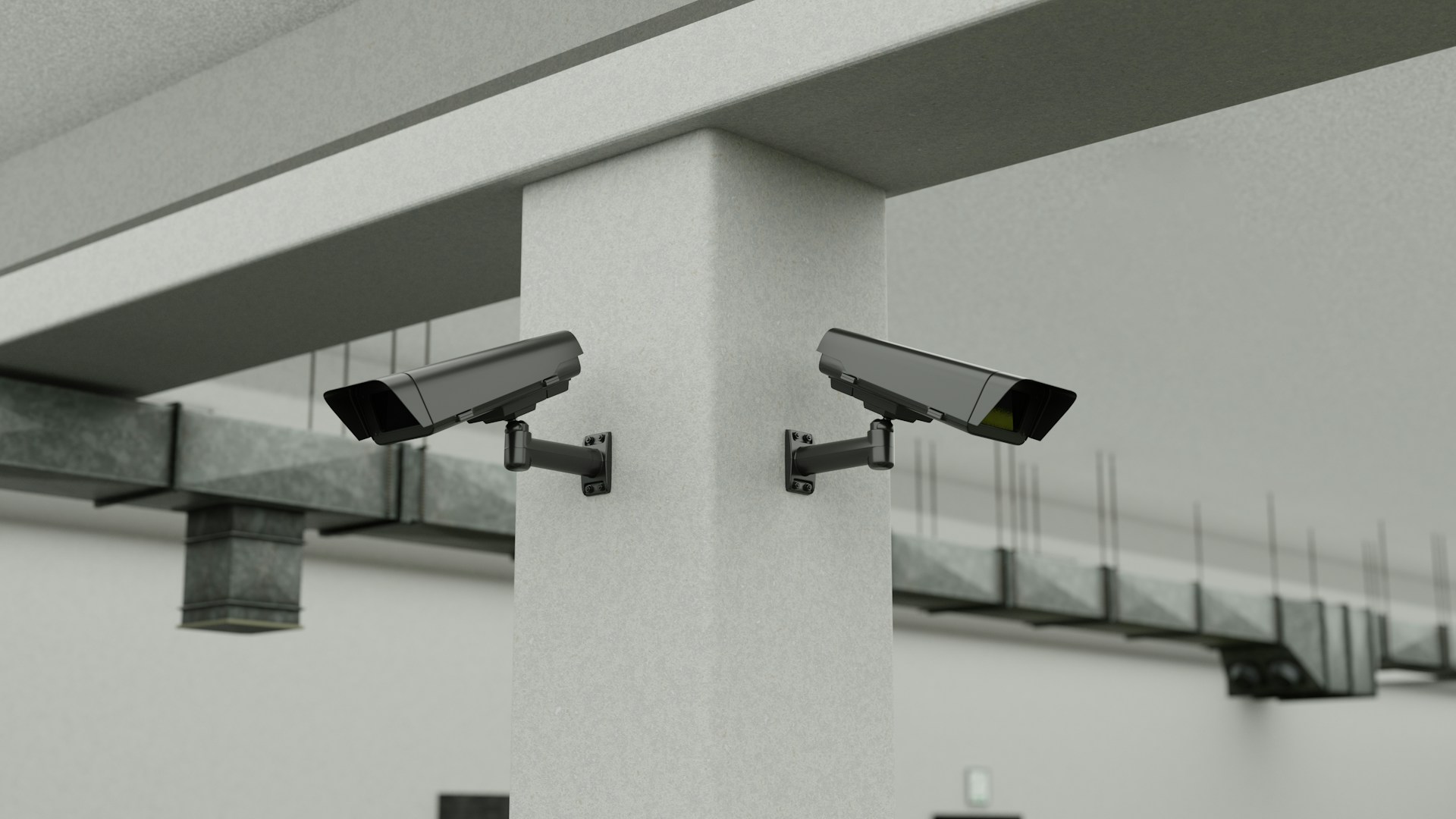
An LPR system needs a few core pieces to do its job. The main one is a specialized camera, which grabs clear images of license plates, even if the car’s moving or the lighting’s not great.
Next up is the optical character recognition (OCR) software. That’s the bit that turns the plate image into digital text, picking out each letter and number.
A database stores all the captured plate info, along with details like date, time, and location. Processing hardware handles the image analysis on the spot, often in real time.
Some setups connect to outside databases to check plates against watchlists or verify parking permits. It’s all pretty seamless once it’s up and running.
How LPR Systems Work
When a vehicle comes into view, the system spots it and zeroes in on the license plate area. The camera snaps a high-quality photo, regardless of speed or weather.
The OCR software jumps in next. It finds the plate in the photo, isolates it, and reads each character, turning them into text data.
The system logs this info with extras like the exact time, date, and camera location. You can search through this later or set up alerts for specific plates. All of this happens in just a few seconds.
Types Of License Plate Recognition
Fixed LPR systems stay put in one spot. You’ll see these at parking garages, toll booths, and security checkpoints. They keep an eye on a specific area 24/7.
Mobile LPR systems get mounted on vehicles like police cruisers or parking enforcement cars. They scan plates on the move, covering neighborhoods or lots and checking hundreds of plates per minute.
Portable LPR systems are temporary setups you can move as needed. Security teams use these for special events or short-term monitoring.
Benefits And Applications Of License Plate Recognition
License plate recognition systems have found uses all over the place. Cities use them to manage traffic, businesses use them for parking, and both public and private spaces rely on them for security.
Traffic Management And Enforcement
You can use license plate recognition to keep tabs on traffic patterns and spot congestion in real time. Traffic management centers track vehicle movements across intersections and highways with these systems.
This data lets officials tweak traffic lights or respond faster to accidents and blockages. Law enforcement uses LPR tech to spot vehicles involved in violations.
The system automatically flags speeders, red-light runners, and cars using restricted lanes. Officers also check plates against lists of stolen vehicles or cars linked to investigations.
Toll collection’s gotten a lot faster, too. Now, you just drive through, cameras catch your plate, and charge your account. No more stopping at booths or wasting fuel idling in line.
Parking Solutions
Your parking lot can run much more smoothly with license plate recognition. The system identifies cars as they enter and exit, so there’s no need for tickets or access cards.
Payment happens automatically if you link your plate to a payment method. Parking enforcement’s easier, too; LPR cameras on patrol vehicles scan hundreds of plates per minute to find expired meters or cars parked without permits.
That means officers can cover more ground in less time. LPRs are also great for managing reserved spots or employee lots. It grants access only to authorized vehicles and lets security know when an unknown car rolls in.
Security And Surveillance
LPR adds another security layer to your setup. Gated communities and private facilities use it to control access and keep records of every vehicle that comes and goes.
The system can even open gates for residents and flag unfamiliar vehicles for review. Security teams can track suspicious vehicles across multiple sites.
They build watchlists of plates tied to past incidents or people of interest. When a flagged car shows up, the system sends instant alerts.
Businesses use LPR to prevent theft and keep tabs on loading docks. You can track deliveries, verify vendors, and keep a detailed log of all vehicle activity.
Choosing The Right License Plate Recognition Solution
Picking an LPR system isn’t just about grabbing the first one you see. You’ll want to look at technical features, how it fits with your current setup, and whether it can adapt to your needs.
Factors To Consider
Accuracy is huge. You need a system that can read plates reliably day, night, rain, or shine, and at different speeds.
AI-powered systems with solid OCR usually deliver better results than the old-school stuff. Camera specs matter, too.
Go for high-resolution cameras, ideally 1080p or better. They should capture clear images from wherever you plan to mount them.
Processing speed affects how fast the system can ID vehicles in real time. That’s crucial if you’ve got a busy area or need real-time alerts.
Think about the detection range. Some systems work best at 10–15 feet, while others can read plates from 50 feet away. It depends on your camera locations and how fast cars move through.
Storage capacity matters for how long you can keep data. Different places have different rules about retention, so check your local laws.
Integration With Existing Infrastructure
Your new LPR system should play nice with your current security and access control gear. Make sure it supports the same communication protocols as your cameras, gates, and software.
A lot of facilities already have video management or access control platforms. The right LPR solution should plug in without forcing you to rip everything out and start over.
Database integration is handy. It lets your LPR system check plates against watchlists, visitor lists, or parking permits.
That way, the system can open gates for authorized vehicles or alert security about unwanted ones. Sometimes you’ll want to share data with other departments or agencies, especially in law enforcement.
Customization Options
Not every facility is the same, and off-the-shelf solutions rarely fit perfectly. Look for systems that let you adjust detection zones, set custom alert rules, and tweak the user interface.
Alert customization is a big plus. Maybe you want instant notifications for certain plates, but just log others for later.
Reporting features should be flexible, too. Whether you need parking violation summaries, visitor logs, or security incident reports, the system should handle it.
User permissions help you control who can access what. That’s important if you’ve got multiple departments or staff using the same platform.
Challenges And Limitations Of LPR Systems
LPR systems aren’t perfect. They run into issues with privacy, accuracy in tough environments, and a tangle of legal rules.
Data Privacy And Security
LPR systems collect a ton of data on where vehicles go and when. That’s a pretty serious privacy concern.
Your location history can reveal a lot, where you work, live, and hang out. If the system isn’t secure, bad actors might get access.
Some databases keep records for months or even years, which just increases the risk if there’s a breach. Hackers love big data sets like that.
Security measures need constant updating. Encryption, access controls, and regular audits are all necessary, but they add to the cost and complexity.
Accuracy In Diverse Conditions
LPR systems can struggle with accuracy. Bad lighting makes it tough for cameras, especially at night or in shadows. Weather’s another headache. Rain, snow, and fog can block the view or blur the plate. Dirty or damaged plates make things worse.
Different plate designs across states and countries can trip up the software. The system needs a lot of training to handle all the formats.
Fast-moving vehicles give the camera less time to capture a good image. High speeds and odd angles mean more missed or misread plates.
Legal And Ethical Considerations
Laws about LPR use are all over the map. Some places have strict rules about data retention and access. Others barely regulate it. You might get tracked without ever knowing. Plenty of LPR systems run quietly, with no public notice or clear data policies.
Police departments debate how they should use LPR data. It helps solve crimes, but it also enables surveillance of people who haven’t done anything wrong. There’s also the issue of bias. If cameras cluster in certain neighborhoods, those areas end up under more scrutiny. That’s a tough fairness problem.
The Future Of License Plate Recognition Technology
LPR tech is moving fast, with AI, better cameras, and wider use across more industries. The way you interact with parking, traffic, and security is changing, sometimes in ways you might not expect.
Emerging Trends In LPR
Future LPR systems won’t just grab plate numbers. They’ll capture the whole scene, vehicle type, color, and surroundings.
Some systems are even pairing with facial recognition, which adds another layer (for better or worse, depending on your view). Now, they can store GPS, timestamps, and full vehicle profiles.
Processing is getting faster, so alerts and responses are basically instant. Accuracy is improving, even in lousy weather or with partially blocked plates.
Cloud-based platforms are taking over from local storage, making it easier to access data remotely and integrate with other tools.
Advancements In Artificial Intelligence
Deep learning is changing the game for LPR. AI algorithms learn from millions of plate images, so they get better with weird fonts, styles, and conditions. Computer vision’s gotten way better. Systems now handle tricky scenarios that used to need a person to sort out.
AI can tell similar characters apart, fix distortion, and process multiple plates at once. Machine learning even lets LPR systems spot patterns, predict traffic, and flag unusual behavior. The more data they process, the smarter they get.
Global Market Outlook
The LPR market is booming, thanks to smart city projects popping up everywhere. More money’s going into infrastructure that supports automated vehicle monitoring and traffic management.
It’s not just cops using LPR anymore. Parking garages, toll roads, residential communities, and businesses are all in on it. Costs are dropping while features get better, so even small organizations can afford solid LPR tech now.
Make Vehicle Access And Security Simpler
If tracking vehicles, managing parking, or controlling site access feels inconsistent or time-consuming, license plate recognition systems offer a smarter path forward. They reduce manual work, improve visibility, and help you respond to issues faster. The result is tighter control without adding complexity to your day.
Alarm Masters delivers licensed, fully integrated LPR solutions across Texas with fast turnaround and clear guidance at every step. From camera placement to database setup, you get a compliant system built to support long-term performance.
Ready to streamline vehicle monitoring and strengthen site security? Schedule service now to review your property and get a customized recommendation.
Frequently Asked Questions
Are License Plate Recognition Systems Legal In Texas?
Yes, license plate recognition systems are legal in Texas, but their use must follow state and federal privacy laws. Public agencies and private organizations may face different data retention and disclosure requirements.
Before deployment, it’s important to review local regulations related to surveillance, signage, and data storage. Clear policies help reduce liability and protect privacy.
How Accurate Are License Plate Recognition Systems?
Modern license plate recognition systems are highly accurate when properly installed and calibrated. High-resolution cameras and advanced optical character recognition improve results in both daylight and low-light conditions.
Accuracy can vary based on speed, camera angle, weather, and plate condition. Professional placement and configuration make a significant difference.
Can License Plate Recognition Systems Integrate With Access Control?
Yes, many license plate recognition systems integrate with existing access control and gate automation platforms. This allows authorized vehicles to enter automatically without keycards or fobs.
Integration also enables real-time alerts for unauthorized or flagged vehicles. When connected properly, it creates a seamless vehicle entry process.
How Long Is License Plate Data Stored?
Data retention depends on your organization’s policies and applicable laws. Some facilities store plate data for only a few days, while others retain records for months.
It’s important to define a clear retention schedule that balances operational needs with privacy considerations. Secure storage and controlled access are essential.
Are License Plate Recognition Systems Only For Law Enforcement?
No, license plate recognition systems are widely used by commercial properties, residential communities, parking facilities, and industrial sites. They help manage traffic flow, automate parking, and enhance perimeter security.
Private organizations use them to monitor entrances, verify vendors, and maintain detailed vehicle logs.
What Should I Consider Before Installing A License Plate Recognition System?
Start by identifying your primary goal, such as parking automation, traffic monitoring, or security alerts. Then review camera placement, lighting conditions, integration needs, and data policies.
Working with experienced professionals ensures the system is properly configured, compliant, and aligned with your site’s daily operations.\



.svg)


.svg)