.svg)
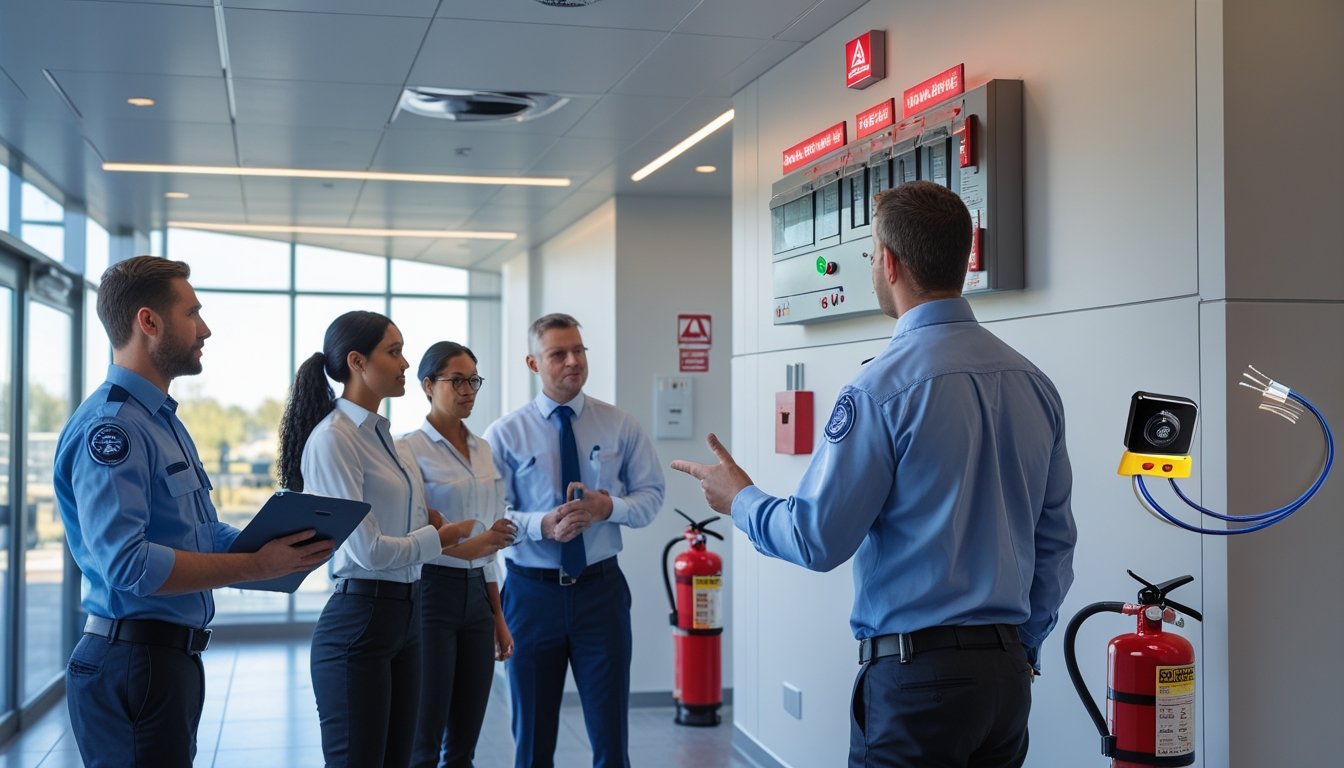
If you have ever wondered what triggers a fire alarm system, you are not alone. Small things like cooking smoke, dust, or actual flames can all set off your alarms. Knowing the difference helps you respond calmly and avoid unnecessary disruptions.
In Texas, Alarm Masters helps homeowners and businesses understand how modern fire alarm systems detect smoke, heat, and other risks while staying compliant with local codes. With licensed technicians and fast response, you get clear answers and reliable protection without guesswork.
In this guide, you will learn what triggers a fire alarm system, the most common causes of false alarms, and simple prevention steps. By the end, you will know what to check, when to call for service, and how to keep your system ready when it matters most.
Core Functions of Fire Alarm Systems
Fire alarm systems focus on two main tasks:
- Detecting fire signs quickly
- Alerting occupants effectively.
These tasks rely on key devices that work together to keep you and your property safe.
Detection of Fire and Smoke
Fire alarm systems use special detectors to spot signs of fire early. Smoke detectors sense particles in the air caused by smoke, while heat detectors respond to rising temperatures. Some systems also detect flames using ultraviolet or infrared sensors.
These detectors send signals to the control panel, which analyzes the data. Properly placed detectors ensure even small fires are found quickly, giving you time to act. Regular testing and maintenance of detectors keep your system reliable.
Faulty or dirty detectors can delay alarm activation, putting safety at risk. You should schedule inspections to confirm everything works as intended.
System Notification Components
Once a fire or smoke is detected, the system must alert everyone inside. Notification devices include horns, sirens, and strobe lights. These devices produce loud sounds and bright flashes that catch attention fast.
Different buildings might use different alert types based on the environment. For example, strobe lights help warn people with hearing impairments. Some systems send messages over loudspeakers or public address systems for clear instructions.
Notification devices are also linked to monitoring services that contact emergency responders automatically. This connection provides a quick response without relying on manual calls. Your building’s fire alarm notification must meet local regulations.
Using approved and properly installed devices ensures your system’s alerts are effective every time.
Primary Fire Alarm Triggers
Fire alarms activate through specific triggers that detect signs of fire or danger. These triggers work automatically or manually to alert you and others quickly. They focus on changes like smoke, heat, or a direct signal from a person.
Smoke Detectors
Smoke detectors sense particles from smoke in the air. When smoke enters the detector, it changes the sensor’s reading, causing the alarm to sound. There are two common types: ionization and photoelectric.
Ionization detectors respond faster to flaming fires, while photoelectric detectors work better with smoldering fires. Smoke detectors must be placed in key areas, such as hallways and near sleeping rooms. They are essential for early warning because smoke often appears before flames.
Regular testing and maintenance keep them reliable so your system can protect your property and loved ones.
Heat Detectors
Heat detectors respond to sudden temperature rises or fixed temperature points. They do not detect smoke, but are useful where smoke detectors could give false alarms, like kitchens or garages. These devices trigger an alarm if the heat rises too quickly or reaches a preset level.
You rely on heat detectors in places with dust, steam, or fumes that may confuse smoke sensors. Installing these in your system adds a second layer of protection. They ensure that high temperatures, even without visible smoke, will not go unnoticed.
Manual Call Points
Manual call points, also known as pull stations, let you trigger the fire alarm yourself. You activate them by pulling a lever or pressing a button in case you spot fire or danger first. These devices provide direct control and immediate alarm activation.
Call points are placed in accessible locations, such as near exits and in hallways. They give occupants the power to alert everyone if automatic triggers miss an early fire. Keeping these devices unobstructed and functional is critical to your overall fire safety plan.
Secondary and Environmental Triggers
Fire alarm systems can activate not only from direct signs of fire but also from related events in your building's safety setup. These triggers ensure your system responds early to diverse risks for better protection.
Sprinkler System Activation
Your sprinkler system works closely with the fire alarm to provide a fast response. When a sprinkler head senses heat above its set temperature, it opens to release water. This water flow triggers a sprinkler flow switch.
That switch sends a signal to your fire alarm control panel, which then sounds the alarm. You get notified even if the smoke detectors have not triggered. Because sprinkler activation shows strong evidence of fire, your system will often begin fire suppression and alert emergency responders immediately.
This dual action helps reduce damage and improve safety. Sprinkler-triggered alarms also often activate other safety measures like shutting down HVAC to stop smoke spreading or unlocking exit doors to aid evacuation.
Carbon Monoxide Detectors
Carbon monoxide (CO) is a dangerous, colorless gas produced by burning fuels. Your fire alarm system can link to CO detectors to protect you from this silent threat. When a CO detector senses high levels of the gas, it sends an alert to the fire alarm panel.
This triggers a specific alarm tone, often different from smoke alarms, so you can identify a CO problem quickly. CO detectors activate ventilation or ventilation shutdowns based on system design. This is critical in preventing CO buildup while allowing you to evacuate safely.
These detectors are most useful in buildings with fuel-burning appliances where CO leaks could happen. Integrating CO detection expands your overall protection beyond just fire risks.
False Alarm Causes
False alarms can be triggered by various factors that interrupt your fire alarm system’s reliability. These include environmental issues and technical problems that require regular attention and proper handling to avoid disruption.
Dust and Debris Interference
Dust, dirt, and debris can build up inside your smoke detectors and sensors over time. This buildup can block or confuse the sensors, causing them to trigger a false alarm when there is no real fire. Common sources include construction dust, dust from nearby machinery, or general settling in areas with poor cleaning.
Regular cleaning and proper placement of detectors away from dusty or dirty environments reduces the risk. High humidity and airborne particles like steam or aerosols can also cause false alarms. Position detectors away from kitchens, bathrooms, or areas where sprays are frequently used to avoid these triggers.
System Malfunctions
Malfunctions occur when the fire alarm system’s components fail or become faulty. This can happen due to aging equipment, poor installation, or lack of maintenance. Faulty wiring, outdated sensors, and battery issues are typical causes. These weaken the system’s accuracy, triggering alarms without danger.
Regular inspections and timely repairs help prevent malfunctions. Upgrading to newer systems with advanced sensors can improve accuracy.
Maintenance and External Influences
Your fire alarm system works best when properly maintained and installed. External factors and routine care directly affect its reliability and accuracy.
Routine Testing Procedures
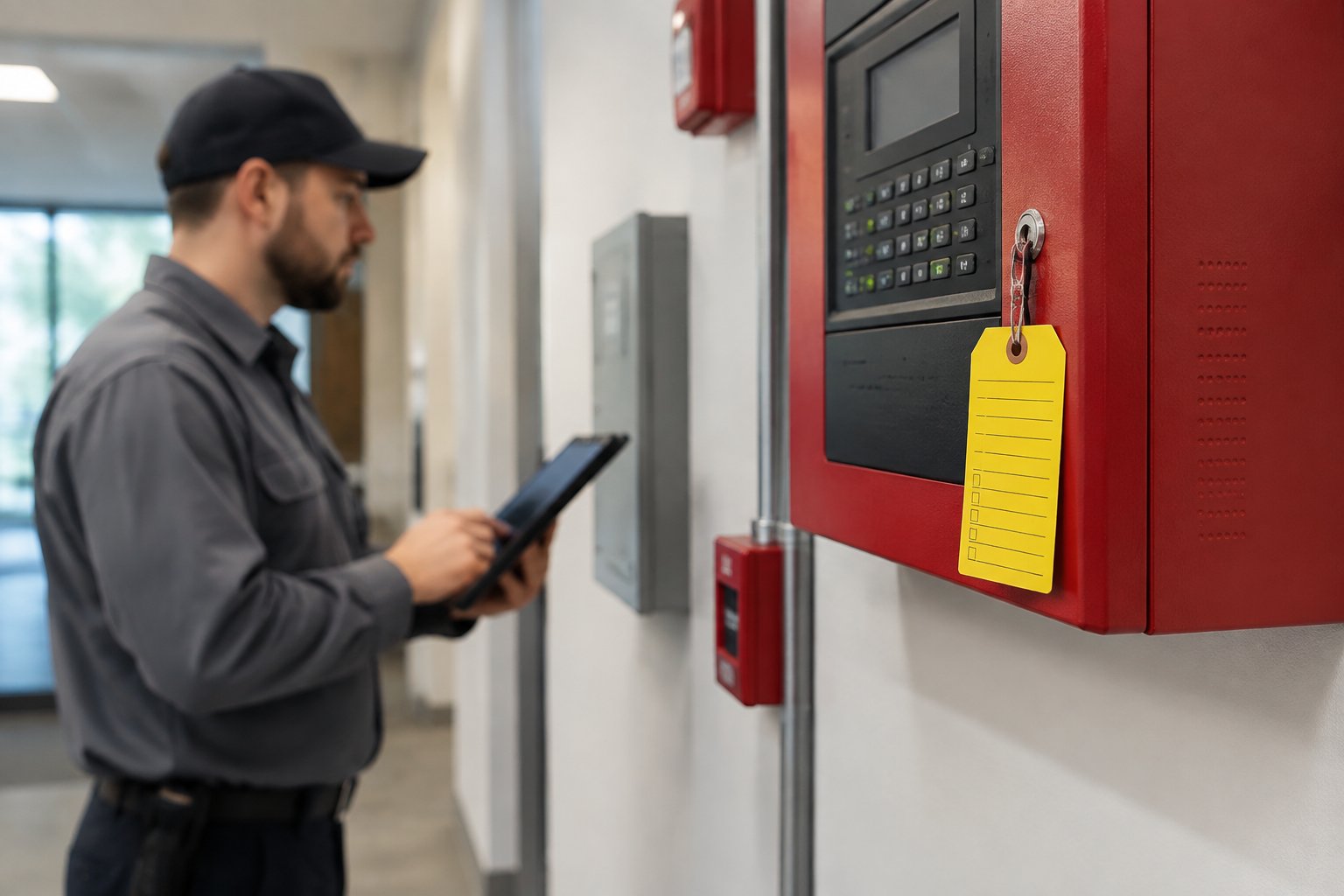
Regular testing helps catch problems before they cause failures. You should schedule inspections to verify that all detectors, control panels, and notification devices work as designed.
During testing, batteries are checked and replaced if needed, and sensors are cleaned to prevent dust or debris buildup.
A proper testing routine includes:
- Checking smoke and heat detector sensitivity
- Verifying audible alarms and strobes
- Inspecting wiring and control equipment
- Logging test results for compliance
Following these steps keeps your system ready to respond instantly when smoke or fire is detected.
Improper Installation Factors
Improper installation can cause false alarms or system failures. Common issues include placing detectors too close to cooking areas, vents, or sources of steam or dust. These conditions can trigger alarms without fire, reducing trust in the system.
Other installation problems to avoid are:
- Incorrect sensor types for the environment
- Poor wiring connections or loose components
- Inadequate coverage or blind spots in the protected area
Correct installation is the foundation of a dependable fire alarm.
Modern Technologies and Innovations
Modern fire alarm systems use advanced technology to detect fires faster and more accurately. They connect with other building systems to improve safety and emergency response without adding complexity.
Smart Fire Detection Systems
Smart fire alarms combine advanced sensors and artificial intelligence (AI) to identify real fires and reduce false alarms.
These sensors detect smoke, heat, and even air particles, adjusting sensitivity based on conditions. AI analyzes patterns to distinguish between real threats and harmless events like cooking smoke.
Wireless technology, including mesh networks and low-power communication, helps alarms stay connected and responsive, even if one device fails. This means faster alerts and better coverage throughout your building or home.
Smart systems also provide remote monitoring through apps, so you can check alarms and receive notifications no matter where you are.
Integration with Building Automation
Fire alarms today often work with building automation systems (BAS), linking with lighting, heating, ventilation, security, and more. When an alarm triggers, BAS can activate emergency lighting, shut down HVAC to prevent smoke spread, and unlock doors for safe evacuation.
For commercial buildings or large homes, this means fewer delays and coordinated protection designed to meet local codes and safety standards.
Know What Triggers Your Fire Alarm System
Now you have a clear picture of what triggers a fire alarm system, from smoke, heat, and manual pull stations to sprinklers and CO detectors. Focusing on proper placement, routine testing, and clean sensors helps you cut down on false alarms. These simple steps keep your system ready for real emergencies.
When you are not sure why your system is activating or how to prevent repeat alarms, Alarm Masters can help you review detectors, wiring, and system programming. Licensed technicians, fast turnaround, and full fire and life safety support ensure your equipment is working the way it should.
Schedule service now to review your system and keep your alarms ready when it counts.
Frequently Asked Questions
What triggers a fire alarm system in most cases?
A fire alarm system is most often triggered by smoke, heat, or flames detected by sensors. It can also activate when a person uses a manual pull station or when a sprinkler flow switch signals water movement due to high heat.
Can cooking set off my fire alarm system?
Yes, cooking can easily trigger a fire alarm system, especially if detectors are placed too close to kitchens. Smoke, steam, and even high heat from cooking appliances can be interpreted as fire signs and cause unwanted alarms.
Why does my fire alarm go off in the middle of the night?
Common reasons include low batteries, sensor dust, or temperature changes affecting sensitivity. In some cases, small amounts of smoke or steam from HVAC cycles may also trigger the system while the building is quiet.
How can I reduce false alarms from my fire alarm system?
To reduce false alarms, keep detectors clean, avoid placing them right next to kitchens or bathrooms, and follow recommended mounting heights and locations. Regular testing and maintenance help ensure only real fire conditions trigger your system.
What should I do if my fire alarm system keeps going off for no reason?
First, check for obvious issues like dust buildup, nearby steam, or low batteries. If the problem continues, schedule a professional inspection so wiring, programming, and detector health can be checked and corrected.
How often should a fire alarm system be tested?
Fire alarm systems should be tested regularly according to code and manufacturer guidelines, often at least once a year for full inspections. Routine testing confirms that all detectors, notification devices, and panels will respond correctly when triggered.



.svg)


.svg)