.svg)
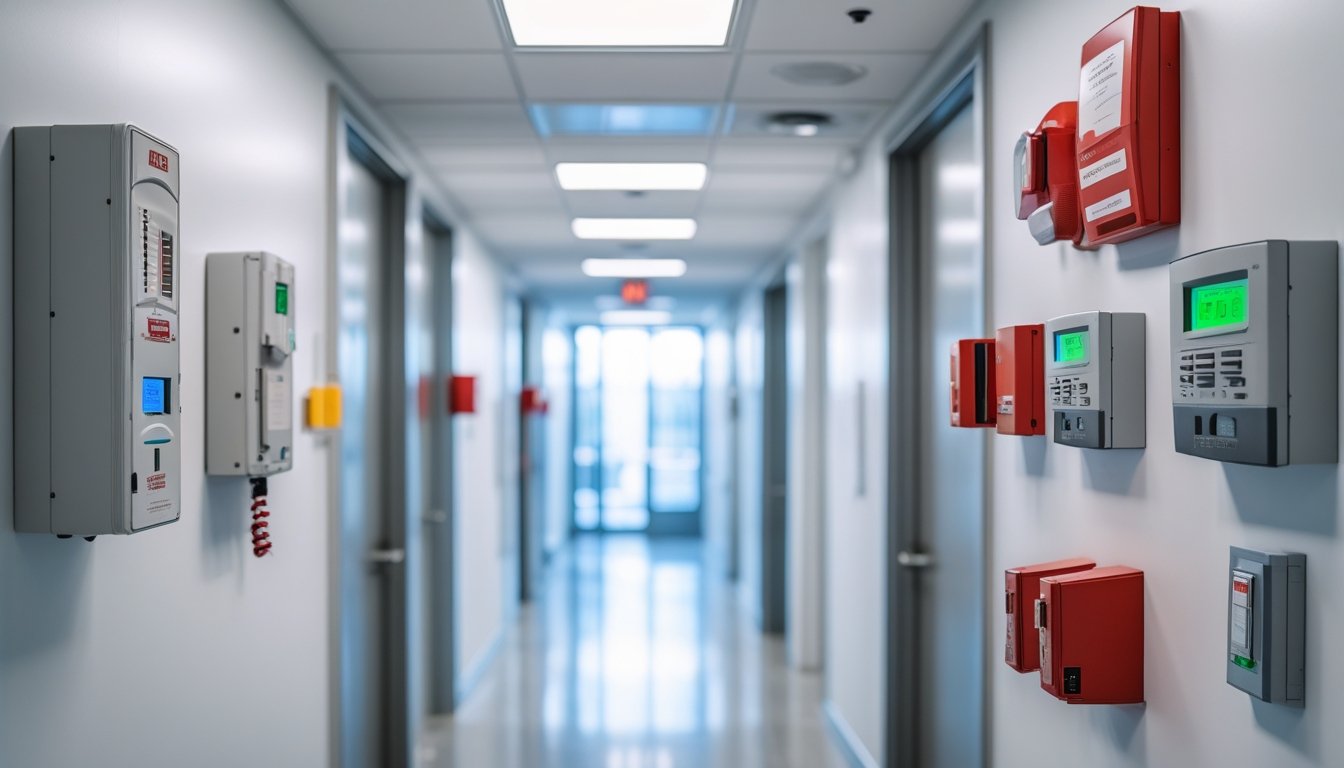
When you understand the types of commercial fire alarm systems, it becomes easier to protect your people, property, and daily operations. Each system works differently, and the right choice depends on your building size, layout, and risk level.
In Texas, Alarm Masters installs and services systems that meet state and local codes while keeping downtime low. Licensed technicians help you compare options and design protection that fits your facility. Many businesses value our fast, 48-hour service turnaround for inspections and repairs.
This guide breaks down the main commercial fire alarm system types, from conventional and addressable to wireless and specialized solutions. Use it as a starting point before you plan upgrades or request a professional quote.
What Are Commercial Fire Alarm Systems?
Commercial fire alarm systems protect your business by detecting fire early and alerting everyone inside. These systems include several key parts, follow strict rules, and perform specific jobs to keep people safe and limit damage.
Key Components
A commercial fire alarm system has three main parts: the control panel, notification devices, and input devices. The control panel is the system’s brain. It monitors signals from smoke detectors, heat sensors, and manual pull stations.
Notification devices, like alarms, horns, and strobe lights, warn occupants to evacuate. Input devices include smoke detectors, heat detectors, and manual pull stations where people can trigger alarms manually. Together, these components form a network that detects threats early and informs building occupants and emergency teams.
Standards and Regulations
You must comply with fire safety regulations set by organizations like the National Fire Protection Association (NFPA)and local fire codes. These rules require that your fire alarm system meet certain coverage, installation, and maintenance standards.
For example, the NFPA 72 code specifies how alarms should detect smoke and the types of notification devices required. Regular inspections and tests are mandatory to keep your system compliant and effective. Following these regulations helps protect your business from legal risk and keeps occupants safe.
Primary Functions
Your commercial fire alarm system has three important functions:
- Fire detection: It senses smoke, heat, or flames early using detectors spread throughout your building.
- Alerting occupants: It sounds alarms and flashes lights to warn people to leave immediately.
- Notifying emergency responders: Some systems can send automatic alerts to the fire department or your monitoring service.
These functions work together to provide quick, reliable warnings, giving you time to evacuate safely and reduce property loss.
Conventional Fire Alarm Systems
Conventional fire alarm systems divide your building into zones, each connected to a control panel. These systems provide clear alerts about which zone has a fire, helping you respond quickly and efficiently. They are straightforward and reliable for many commercial properties.
How Conventional Systems Work
A conventional fire alarm system links detectors and manual call points in separate zones. When smoke or heat triggers an alarm, the system signals the control panel, which identifies the specific zone affected. However, it does not pinpoint the exact device that detected the fire.
Zones usually cover rooms, floors, or areas you choose during the system’s design. Your control panel monitors these zones continuously, alerting occupants through sirens and flashing lights when a fire is detected. The system communicates with monitoring services if connected, speeding up emergency response.
Advantages of Conventional Systems
Conventional systems are known for their simplicity and cost-effectiveness. They require less complex wiring than advanced systems, making installation and maintenance more affordable. These systems are highly reliable and well-tested, with proven performance in many commercial settings.
They work well in small to medium-sized buildings where zone identification is sufficient. You benefit from clear zoning without the need to upgrade technology frequently. Because of their straightforward design, conventional systems are easier to inspect and repair, saving you time and money.
Common Applications
You will find conventional fire alarm systems often in warehouses, retail stores, small offices, and low-rise buildings. Their zoning structure suits facilities with clear area divisions but fewer complex features or high occupancy.
If your business operates in a modest-sized commercial property and requires effective fire detection with budget-conscious installation, conventional systems are a solid choice. They meet local fire code requirements and provide dependable protection without unnecessary complexity.
Addressable Fire Alarm Systems
Addressable fire alarm systems give you precise control and detailed information about every device in your building. They identify the exact location of an alarm, reduce false alerts, and allow for easier maintenance.
How Addressable Systems Operate
In an addressable system, every device, like smoke detectors or pull stations, has its own unique digital address. This means when an alarm triggers, the control panel pinpoints its exact location instead of just indicating a general zone.
The devices communicate continuously with the fire alarm control panel. This connection helps the system monitor circuit integrity, detect faults early, and notify you immediately when maintenance is needed. Unlike conventional systems, addressable setups do not rely on broad zones but on individual device signals.
This technology improves your response times because you know exactly where the problem is, allowing faster action and less downtime.
Benefits of Addressable Systems
Addressable systems increase accuracy by identifying specific devices that trigger alarms. This cuts down on false alarms, helping prevent costly disruptions and unnecessary evacuations. You also gain better scalability. Whether you manage one building or multiple sites, you can add or rearrange devices without rewiring large areas.
The system’s ability to report status means you see any faults or device failures early, keeping your safety standards high. Additionally, addressable systems often provide detailed event logs. These help with compliance checks and audits by recording when and where alarms occurred, improving accountability and traceability.
Typical Use Cases
Addressable fire alarm systems work best for medium to large commercial buildings where pinpoint detection is crucial. Examples include office buildings, hospitals, hotels, and campuses where many devices must be managed efficiently.
They are ideal if you need detailed monitoring, want to minimize false alarms, or require easy expansion as your facility changes. Their precision supports complex layouts where defining zones is difficult or could delay emergency response.
Hybrid Fire Alarm Systems
Hybrid fire alarm systems blend features from both conventional and addressable setups. They use a mix of wired and wireless components, offering flexibility to suit different building sizes and layouts. Hybrid systems are designed for easy upgrades and better monitoring, making them a practical choice for many commercial properties.
Key Features of Hybrid Systems
Hybrid systems combine analog and digital technologies. Sensors and detectors use analog signals that the control panel converts into digital data. This helps pinpoint the exact location of an alarm or fault quickly.
You get a mix of wired devices for stable communication and wireless devices for easier installation in hard-to-reach areas. This reduces the need for extensive wiring. Hybrid systems support manual pull stations, smoke detectors, heat sensors, and more.
Monthly visual and functional checks are important to keep components like batteries and communication working properly.
When to Use Hybrid Solutions
Hybrid fire alarms fit buildings with mixed layouts or phased upgrades. If you have older wiring but want digital monitoring benefits, a hybrid system bridges those needs.
They work well in spaces where running wires everywhere is difficult, such as historic buildings or multi-floor offices. Hybrid setups give you room to expand as your property changes. If you want reliable detection with easier device management, hybrid systems offer a balance between cost and capability.
Wireless Fire Alarm Systems
Wireless fire alarm systems use radio signals to connect detectors, control panels, and alert devices without the need for physical wiring. These systems offer faster installation and greater flexibility compared to traditional wired options. You’ll find them especially useful in buildings where wiring is difficult or restricted, like older buildings or leased commercial spaces.
Wireless Technology Overview
Wireless systems rely on radio frequency (RF) signals to communicate between components. Each device sends and receives signals to a central control panel that monitors for smoke, heat, or fire events.
This technology removes the need for running wires through walls or ceilings, which cuts down installation time and costs in many cases.
Batteries power individual devices, so you won’t depend on building power alone. Your system will also include signal encryption and regular testing to prevent interference and ensure reliable alerts.
Wireless fire alarms must follow local codes and standards to ensure safety and compliance. When properly designed, they offer the same level of protection as wired systems.
Pros and Cons of Wireless Systems
Pros:
- Speedy installation with minimal disruption.
- Flexible placement of detectors and alarms.
- Ideal for historic or retrofit projects.
- Easier and more cost-effective to relocate or add devices.
- Battery operation provides backup power.
Cons:
- Batteries require regular replacement and monitoring.
- Possible interference from other wireless devices.
- Limited range depending on building size and materials.
- Typically, higher initial equipment costs compared to wired systems.
You’ll want to weigh these factors based on your property’s layout and operational needs to choose the right fit among the types of commercial fire alarm systems available.
Expansion and Flexibility
Wireless fire alarm systems make it easy to expand your coverage as your building changes. Adding new detectors or notification devices doesn’t require major construction or rewiring.
You can adjust the system layout to fit multi-zone buildings, leased spaces, or areas with restricted access to wiring. This flexibility lets you maintain safety without major downtime or renovation costs.
If your facility grows or needs extra protection in specific areas, wireless systems adapt quickly. This gives you long-term peace of mind knowing your fire alarm system can evolve with your business.
Voice Evacuation Fire Alarm Systems
Voice evacuation systems alert building occupants using clear spoken messages instead of just loud alarms. They guide people safely by providing step-by-step instructions during an emergency. These systems improve communication and help manage crowds more effectively in complex or busy spaces.
Functionality of Voice Evacuation
A voice evacuation system uses smoke and heat detectors, manual pull stations, and other sensors similar to traditional fire alarms. Instead of only triggering horns or sirens, it sends pre-recorded voice messages through speakers.
These messages tell you exactly what actions to take, such as “Leave the building immediately” or “Use the nearest exit.” Messages can be customized for different emergency types and locations.
The system often integrates with fire alarms, security cameras, and building controls. This coordination helps deliver timely information and keeps occupants calm while evacuating.
Advantages Over Traditional Alarms
Voice evacuation systems reduce confusion by giving clear instructions. Traditional alarms use loud horns or bells, which can cause panic or uncertainty about what to do next. Voice messages provide specific guidance, improving safety and orderly evacuation.
They are especially helpful in crowded places like schools, hospitals, and malls, where clear communication is critical. Voice systems also allow updates or changes during an event, so you get real-time information. This flexibility can prevent bottlenecks and lower the risk of injury during emergencies.
Specialized Commercial Fire Alarm Systems
Some commercial spaces need fire alarm systems designed for specific risks and environments. These specialized systems provide precise detection methods that suit unique hazards and space layouts. They help protect critical areas where standard alarms may not be enough.
Aspirating Smoke Detection
Aspirating smoke detection (ASD) uses a network of pipes to draw air samples continuously from the protected area. The air is analyzed by a central detector for smoke particles. This allows for very early fire detection, often before visible smoke appears.
ASD systems are ideal for environments with high air cleanliness or high airflow, such as clean rooms, data centers, and warehouses. They offer sensitivity adjustment and can detect fires at an early stage, giving you more time to act.
Installation requires careful design of pipe placement to cover the entire space efficiently. You benefit from continuous monitoring without interference from dust or dirt. This reduces false alarms while maintaining high safety standards.
Flame Detection Systems
Flame detection systems sense the specific light emitted by flames. They use infrared or ultraviolet sensors to identify fire sources quickly and accurately. This technology works well in places where smoke detection may be slower, such as industrial settings or areas with fast flame development.
These systems detect fire instantly and trigger alarms and suppression systems without delay. You get immediate awareness of open flames, which helps protect valuable equipment and people. Flame detectors are usually mounted to have a clear view of the area. They require regular cleaning and calibration to ensure accuracy. They complement smoke and heat detectors in high-risk environments.
Linear Heat Detection
Linear heat detection involves cables that sense temperature changes along their length. These heat-sensitive cables can detect rising temperatures or direct contact with fire. They work well in long, narrow spaces where point detectors may miss hotspots.
This type of detection suits areas like cable trays, conveyor belts, warehouses, and tunnels. The cables cover extensive areas and allow you to locate heat sources quickly.
Linear heat detectors are durable and resist environmental conditions like moisture and dust. Installation flexibility means you can route the cables along critical points. This gives you continuous protection and early warnings of overheating or fire.
Choosing the Right Fire Alarm System
Selecting the right fire alarm system from the available types of commercial fire alarm systems means understanding your building’s needs, following safety laws, and planning for ongoing upkeep. The best system will keep your people and property safe while staying reliable and compliant over time.
Assessing Building Requirements
Start by examining your building’s size, layout, and purpose. Large buildings or facilities with multiple floors often need addressable systems that pinpoint alarms by location. Smaller spaces may work well with conventional systems that group detectors by zones.
Consider where people gather most and the types of risks present, like kitchens, laboratories, or storage areas with flammable materials. Wireless systems offer flexibility if you expect changes or expansions.
Also, think about integrating your fire alarm with other safety systems you use. Your system should provide quick alerts tailored to your specific space. Consulting professionals who know Texas codes ensures you pick a system that fits your building precisely.
Compliance and Local Codes
Fire codes and regulations vary by city and state, so your system must meet Texas laws and local fire marshal rules. These rules affect the types of alarms, notification methods, and how systems connect to emergency responders.
For example, commercial buildings often require monitored systems with automatic alerts to fire departments.
Installation must follow standards set by authorities having jurisdiction (AHJs). Ignoring compliance risks, fines, or failed inspections which can disrupt your business. Working with licensed installers ensures your system passes all requirements and protects you legally.
Maintenance Considerations
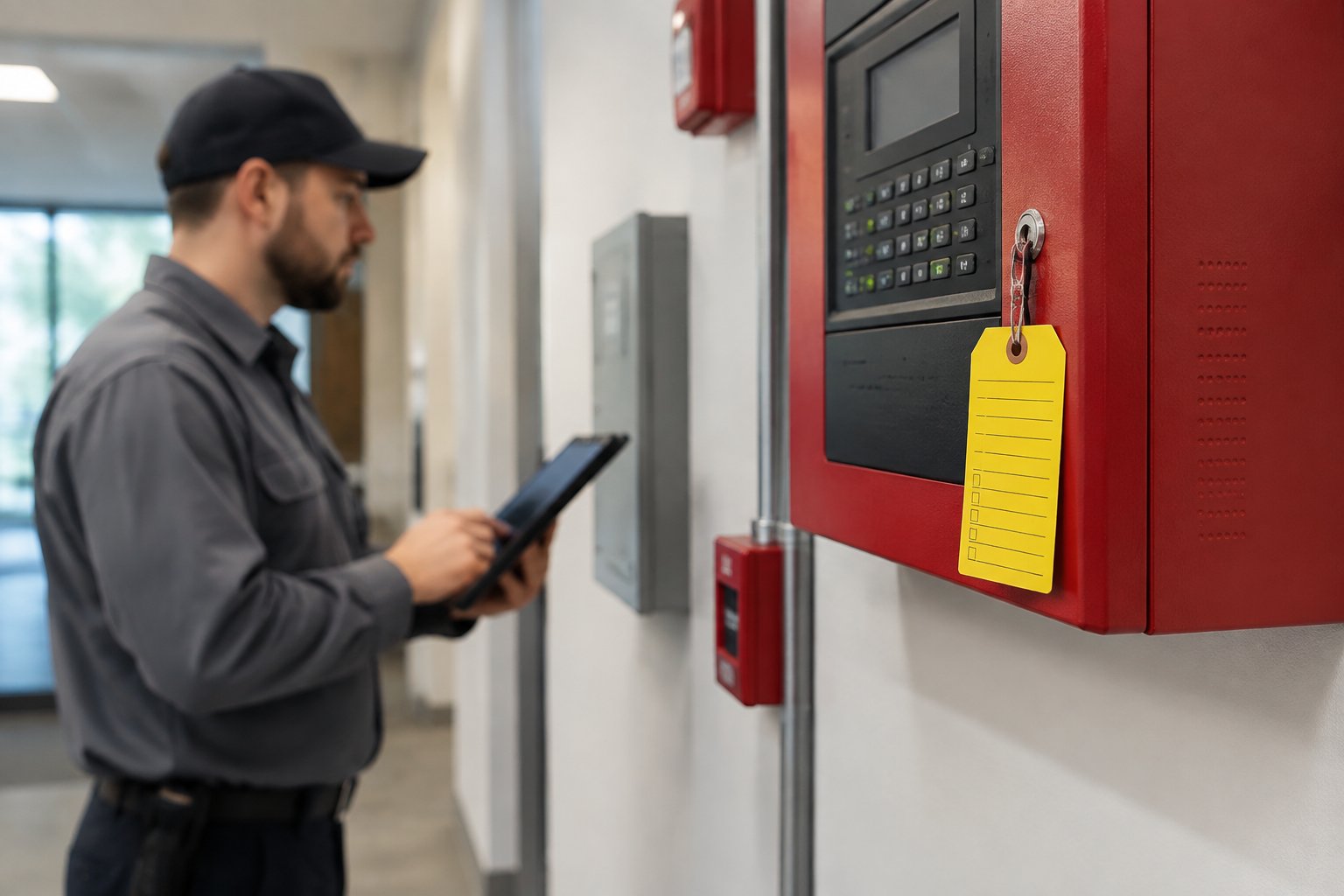
Regular maintenance is critical for keeping your fire alarm system working without fail. Smoke detectors, control panels, and notification devices must be tested and serviced based on manufacturer guidelines and Texas safety standards.
Plan for scheduled inspections and battery checks. System updates are also necessary. A good maintenance plan reduces false alarms and extends your system’s life. It also keeps records needed to prove compliance during audits or insurance reviews.
Choose a provider who offers fast, reliable service with guaranteed response times. Proactive support means less downtime and peace of mind that your system will work when it matters most.
Choosing the Right Commercial Fire Alarm System
Understanding the main types of commercial fire alarm systems helps you match protection to your building’s size, layout, and risk level. The next step is to compare these needs against local code requirements and your long-term safety plan.
In Texas, Alarm Masters can design, install, and maintain a system that meets state and local codes while supporting smooth daily operations. This gives you confidence that your system will perform when it matters most.
If you are planning a new system or upgrading an older one, now is the time to act. Share your building details, recent inspections, or concerns so a professional can recommend the best path forward. Get a free estimate and put a compliant, reliable fire alarm plan in place.
Frequently Asked Questions
What are the main types of commercial fire alarm systems?
The main types of commercial fire alarm systems are conventional, addressable, hybrid, wireless, and specialized systems such as aspirating smoke detection, flame detection, and linear heat detection. Each type serves different building sizes, layouts, and risk levels.
Which type of fire alarm system is best for my building?
The best system depends on your building size, occupancy, layout, and risk areas. Smaller properties may use conventional systems, while larger or more complex buildings often benefit from addressable or hybrid systems for more precise detection and easier expansion.
What is the difference between conventional and addressable fire alarm systems?
Conventional systems group devices by zones, so the panel tells you which area is in alarm. Addressable systems identify each individual device, so the panel can show exactly which detector or pull station is in trouble or alarm, improving speed and accuracy of response.
Are wireless fire alarm systems reliable and code-compliant?
Yes, properly designed wireless fire alarm systems can be reliable and code-compliant. They must use listed equipment, follow local and national fire codes, and be installed, tested, and maintained according to manufacturer instructions and applicable standards.
Can I mix different types of fire alarm systems in one building?
In many cases, you can use hybrid or integrated systems that combine conventional, addressable, and wireless devices. The key is to ensure all components are compatible with the control panel and that the overall system meets code and performance requirements.
How often should commercial fire alarm systems be inspected?
Most commercial fire alarm systems require at least annual inspections, with additional monthly or quarterly tests for certain components. Inspection frequency is driven by codes, standards, and manufacturer recommendations, and should be documented for compliance and insurance.
What factors affect the cost of a commercial fire alarm system?
Cost depends on building size, number of devices, system type, wiring needs, and integration with other safety systems. Ongoing expenses such as monitoring, testing, and maintenance should also be considered when comparing different system options.
Why is it important to choose the right type of commercial fire alarm system?
Choosing the right system ensures fast detection, clear alerts, and smoother evacuation for your specific building. A properly matched design also supports code compliance, reduces false alarms, and helps manage long-term maintenance and upgrade costs across the different types of commercial fire alarm systems.



.svg)


.svg)