.svg)
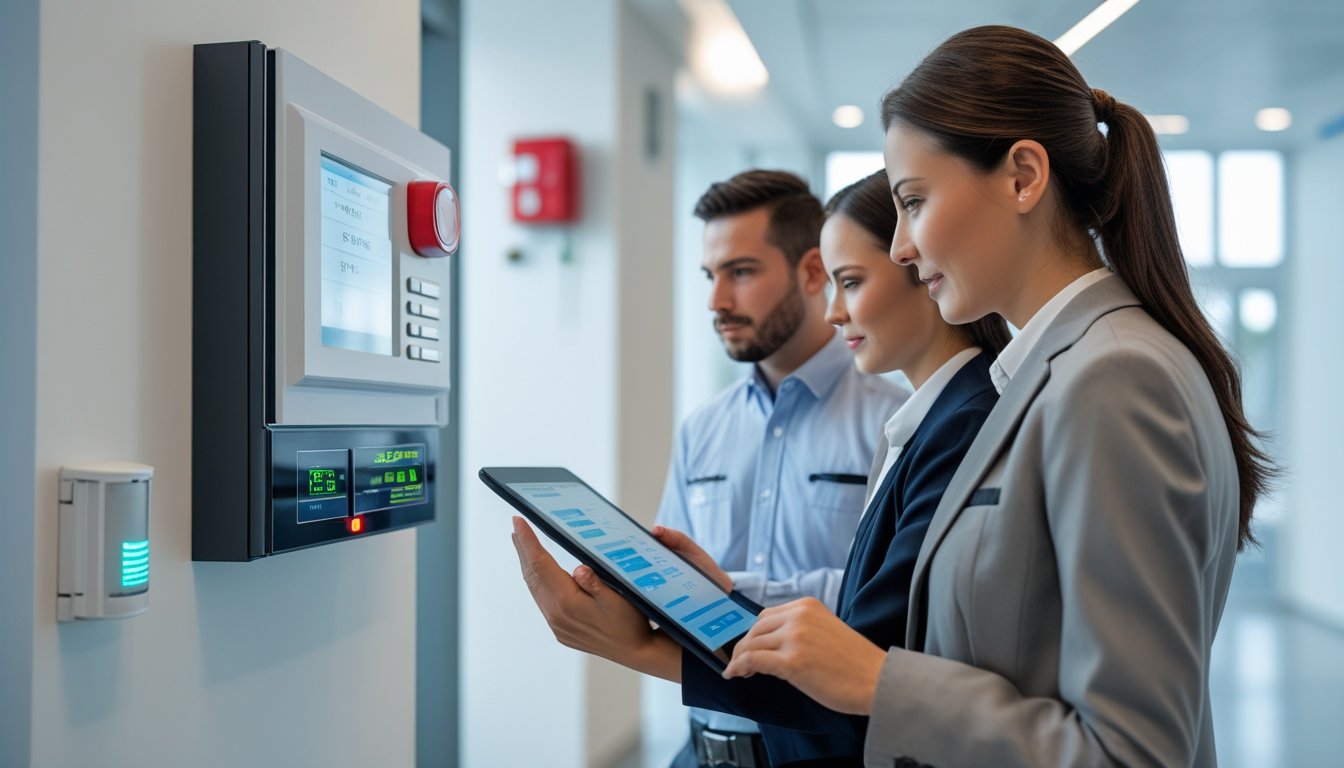
Fire alarm system monitoring keeps your building protected by spotting danger early and alerting help fast. It supports code compliance, safer evacuations, and fewer costly surprises. If you are responsible for a property, you need a solution that works every minute of the day.
In Texas, licensed professionals like Alarm Masters provide monitored fire alarm systems that are installed to code and supported with a 48-hour service turnaround. You get a single team watching over your system and coordinating response when it matters most.
This guide breaks down how fire alarm system monitoring works, why it speeds up emergency response, and how it safeguards people, property, and daily operations. You will see the safety, compliance, and cost benefits explained in simple, practical terms.
How Fire Alarm System Monitoring Works
Fire alarm system monitoring keeps your property safe by sending alerts instantly when a fire is detected. It relies on a network of devices and a central team that watches over your system 24/7. Your fire alarms do more than sound locally; they connect to professionals who act quickly to get help.
Central Monitoring Explained
Your fire alarm system links directly to a central monitoring center. This center is staffed by trained operators who watch for signals from your alarm devices all day, every day. When smoke, heat, or sprinklers trigger your alarm, the monitoring team receives the alert instantly.
They do not wait for you to call. Instead, they contact the local fire department right away to speed up emergency response. This process ensures help starts moving toward your property before you even pick up the phone. You get faster action, which reduces risk to lives and property.
Connection Methods and Technologies
Fire alarm systems connect to central monitoring through several methods, depending on your location and building setup. Common connections include:
- Phone lines: Traditional and reliable for many commercial properties
- Cellular networks: Use cellular signals to send alerts if other lines fail
- Internet (IP): Fast connection using your existing network with secure data transmission
Each connection type is chosen based on reliability and how it fits your property's needs.
Key Components in Monitoring Systems
A monitored fire alarm system includes these critical parts:
- Detectors: Smoke, heat, or flame sensors that spot early signs of fire
- Control panel: The system’s brain that receives signals from detectors and sends alerts
- Communication device: Sends the alert to the monitoring center via phone, cellular, or Internet IP
- Central monitoring center: Staffed by professionals who respond immediately
These components work together to spot danger quickly and activate emergency response.
Immediate Emergency Response
When a fire alarm triggers, fast and reliable action can make all the difference for your property and safety. The system’s immediate alerting and quick response reduce risks and lessen damage.
Automatic Notification to Authorities
With fire alarm monitoring, your system sends an automatic signal to a professional monitoring center the moment it detects smoke, heat, or flames. This means you don’t have to rely on someone inside the building to call 911.
The monitoring center is staffed 24/7 by trained personnel who verify the alert and contact emergency services immediately.
This automatic notification removes delays and ensures authorities are informed even if the building is empty or occupants are unaware. This fast, dependable communication helps you meet code requirements and provides peace of mind that help is on the way without delay.
Faster Fire Department Dispatch
Because the monitoring center alerts fire officials directly, the fire department can begin its response right away. This quicker dispatch means emergency crews arrive sooner than they would if waiting for a call from inside the building.
Early arrival reduces the chances for fire to spread, limits damage, and increases safety for anyone on site. It also supports emergency teams by giving them real-time information and location details before they arrive.
Minimizing Damage and Risk
Immediate response reduces the impact of fire on your property and everyone inside. A monitored system cuts response times dramatically, which means fire damage and water damage from sprinklers can be contained sooner.
Quick notification and fast fire department arrival lowers the chances of injuries and structural damage. This proactive approach also helps you avoid costly repairs, insurance claims, and business interruptions.
24/7 Protection and Peace of Mind
Your fire alarm system is only as good as its monitoring. Constant supervision, reliable alerts, and smart handling of signals ensure your property and people stay safe at all times. This means quick action, whether you're home or away, day or night.
Continuous Monitoring Benefits
With 24/7 monitoring, your fire alarm system never takes a break. Professionals watch your alarms around the clock, ready to respond immediately. This ensures that if a fire starts, emergency services get notified without delay.
You avoid relying on someone being physically present to call for help. Instead, trained staff interpret alarm data quickly and assess the situation’s urgency for accurate action. This reduces risks, limits property damage, and increases safety for everyone inside.
After-Hours and Remote Coverage
Fire risks don’t follow a schedule. You need protection even during nights, weekends, or when nobody is on-site. Fire alarm system monitoring covers all hours and places, including times when buildings are empty or staff are off duty.
Remote coverage means you don’t have to worry about missed alarms or slow responses after hours.
Reducing False Alarm Concerns
False alarms waste time, cause unnecessary stress, and can lead to fines. Monitored fire alarms reduce these risks by involving human judgment before emergency responders are called. When your alarm sounds, professionals verify the alert to confirm if there’s a real emergency.
They can filter out common causes like cooking smoke or system glitches. This careful review helps avoid needless dispatches and keeps your property’s safety system trusted and effective.
Enhanced Safety for Occupants
A monitored fire alarm system keeps everyone in the building safer by quickly alerting key people when danger arises. It helps staff and residents respond without delay and supports orderly evacuations to reduce harm.
Alerting Building Staff and Residents
When a fire alarm system is monitored, it sends immediate alerts to emergency responders and building personnel. You do not need to rely on someone hearing the alarm and calling for help. This 24/7 monitoring reduces the risk of delayed reaction, especially when the building is empty or quiet.
Your staff can receive early warnings on mobile devices or control panels. This lets them act fast to investigate and manage the situation. Residents also get notified promptly, ensuring everyone knows about the threat without confusion or hesitation.
Supporting Safe Evacuations
A monitored system aids in safe evacuations by providing clear, timely alerts. You and your occupants gain precious seconds to leave the building before fire or smoke spreads. The system can trigger voice evacuation instructions or integrate with public address systems to guide people safely.
Because alarms reach your monitoring center instantly, emergency responders are dispatched quickly. Coordinated response lowers risks and helps prevent injuries or worse.
Compliance and Insurance Advantages
A monitored fire alarm system helps you meet important safety rules. It also offers potential savings on insurance costs by lowering your risk profile.
Meeting Local Safety Regulations
Many local laws require commercial and residential buildings to have monitored fire alarm systems. These rules ensure alarms are connected 24/7 to a professional monitoring center for a fast response. By installing a monitored system, you stay compliant with fire codes, avoiding fines or business interruptions.
It also helps during inspections by fire marshals, showing your property has reliable, always-on protection. This compliance protects your employees, tenants, and visitors by making sure help arrives quickly.
Potential Insurance Premium Reductions
Insurance companies often reward monitored fire alarm systems with lower premiums. Because your system reduces risk, insurers see you as a safer client and may offer up to 20% savings.
Having a monitored system signals that you take prevention seriously, which can also lead to broader or better coverage options. This can improve your business’s financial security by lowering yearly insurance costs.
Maintenance and System Health Monitoring
Keeping your fire alarm system in top shape requires constant attention to its condition. Effective monitoring means your system works correctly, without interruption, and alerts you before problems become serious.
Remote Diagnostics
Remote diagnostics let you check your fire alarm system’s status anytime without waiting for a technician on-site. This technology sends real-time data on system performance directly to your monitoring center. You can quickly learn if a sensor is malfunctioning, batteries are low, or parts need service.
This reduces downtime and helps fix issues early. Instead of surprise failures, remote diagnostics offer clear updates, so you stay confident your fire safety system is reliable.
Proactive Fault Detection
Proactive fault detection identifies potential problems before they cause system failure. The system constantly checks for faults like wiring issues, sensor blockages, or power interruptions. When it detects a fault, you get immediate alerts, allowing you to schedule maintenance and avoid costly downtime or false alarms.
This active approach helps prevent emergencies caused by a malfunctioning alarm and supports compliance with fire safety laws.
Data Analytics and System Insights
Data analytics helps you understand how your fire alarm system performs every day. It gives you clear information on system activity and helps you meet safety rules without hassle.
Activity Log Review
Your fire alarm system records every event, such as alarms, tests, and maintenance activities. Reviewing this activity log shows you exactly when and why an alarm was triggered or a service was done. This detailed record helps you spot patterns, such as frequent false alarms or equipment faults.
You can then schedule repairs before small issues turn into bigger problems. A well-maintained log also supports quick investigations during incidents. It provides proof of system performance and timely responses, proving your property is protected round-the-clock.
Compliance Reporting
Keeping up with fire safety codes is easier when you have accurate reports on hand. Data analytics generates detailed compliance reports automatically. These reports list inspection dates, tests performed, and any issues found.
You can share them with local authorities or insurers to confirm you meet Texas fire safety laws.
Cost-Effectiveness and Value
Choosing a monitored fire alarm system means you invest in safety that pays off over time. You gain financial benefits by reducing damage and protecting your property more effectively. This approach also helps lower insurance costs and adds value to your building.
Long-Term Savings
Monitored fire alarms often cost more initially than unmonitored systems. However, you save money in the long run because these systems alert emergency services immediately. Faster response times help reduce fire damage, lowering repair and recovery costs.
Insurance companies usually offer premium discounts of up to 20% when you have a monitored system. These savings can add up each year, offsetting your initial investment. You also avoid costly downtime, especially for businesses. Quick emergency responses help keep your operations running smoothly with less disruption.
Asset Protection
A monitored fire system connects your alarms to a central station. When an alarm triggers, professionals notify the fire department right away. This quick action limits damage, protecting your building, equipment, and valuables.
This system also helps you stay compliant with fire safety codes. Meeting those standards reduces your legal risks and keeps your insurance valid. Your property’s value improves because buyers and tenants see that you prioritize safety. A monitored system signals reliability and care, which can be a strong selling point.
Scalability and Integration
Your fire alarm system should grow with your needs and work smoothly with other safety tools. This helps you manage multiple locations easily and ensures all systems share data for faster, smarter responses.
Supporting Multiple Properties
If you manage several buildings, your fire alarm monitoring must be able to handle each location without confusion. A scalable system lets you connect all properties to one platform. This means alarms from any site reach you instantly, and you can track events across all locations in real time.
Key benefits include:
- Centralized management: Monitor every property from a single dashboard
- Quick alerts: Receive faster notifications, no matter where the event happens
- Consistent compliance: Easily keep up with fire codes for all buildings
- Cost efficiency: Reduce the need for separate systems at each site
Integration with Security Systems
Connecting your fire alarm with security systems creates a stronger defense for your property and people. When fire, access control, video surveillance, and intrusion alarms share one control panel, you get clearer, faster alerts. This unified setup offers:
- Faster response: Linked systems trigger coordinated actions that speed up help
- Simplified monitoring: One interface reduces error and confusion
- Improved safety: Security and fire teams work together seamlessly
- Reduced false alarms: Smarter data sharing cuts down unnecessary calls
Licensed technicians ensure all your systems work together, giving you comprehensive control and peace of mind.
Fire Alarm System Monitoring That Works When It Matters
Consistent fire alarm system monitoring helps you catch threats early, move people to safety, and keep your building compliant. With faster response and fewer surprises, you protect both lives and property while keeping operations on track.
When you partner with Alarm Masters, you get licensed Texas technicians, quick 48-hour service, and support that covers design, installation, monitoring, and maintenance. That end-to-end approach keeps your fire protection reliable instead of reactive.
If you are ready to upgrade your protection and simplify compliance, now is the time to act. Schedule service now or get a free estimate for fire alarm system monitoring and put a trusted team in charge of your life safety systems.
Frequently Asked Questions
What is fire alarm system monitoring?
Fire alarm system monitoring is a service that watches your fire alarm system 24/7 and alerts a central station when an alarm activates. Trained operators then contact the fire department and key contacts so help is dispatched quickly.
Why do I need fire alarm system monitoring if I already have alarms?
Standard alarms only sound inside the building. With monitoring, signals also go to a central station that can call the fire department even if no one is present or able to use a phone. This reduces delays and helps limit damage and injuries.
How does a monitored fire alarm system contact the central station?
The system sends signals through phone lines, cellular networks, or Internet (IP) connections. Your installer selects the best method based on reliability, code requirements, and your building’s layout.
Does fire alarm system monitoring reduce false alarms?
Yes. When an alarm activates, monitoring operators verify the signal and check for possible causes before requesting dispatch. This extra step helps reduce unnecessary fire department responses and fines from repeated false alarms.
Can fire alarm system monitoring help with code compliance and insurance?
Monitored fire alarm systems often help you meet local fire code requirements for commercial and multi-unit properties. Many insurers view monitored systems as lower risk, which can lead to premium savings or better coverage options.
Is fire alarm system monitoring available for both homes and businesses?
Yes. Fire alarm system monitoring is used in single-family homes, apartments, offices, retail spaces, industrial sites, and more. The design and equipment may differ, but the goal is the same: faster response and better protection for people and property.



.svg)


.svg)