.svg)
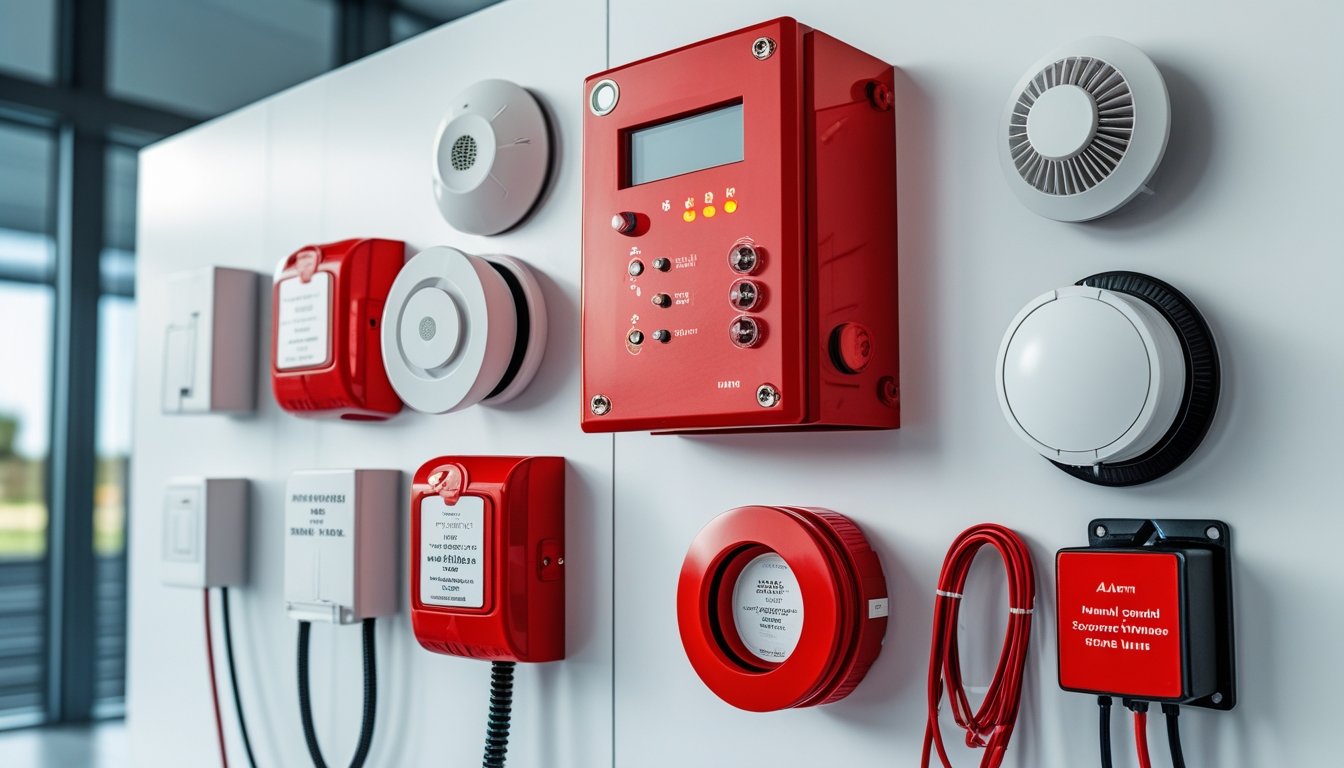
When you understand your fire alarm system components, it is easier to see how your system protects people and property. Each part has a specific job, from detecting early signs of fire to warning everyone to get out.
In Texas, Alarm Masters helps property owners choose, install, and maintain fire alarm systems with licensed technicians and a 48-hour service turnaround. That means your detectors, panels, and notification devices are not just installed, but correctly configured and tested.
This guide walks through the essential fire alarm system components, how they work, and why each one matters. By the end, you will know what to look for, what to ask about, and how to keep your system ready when it counts.
Essential Fire Alarm System Components
A fire alarm system relies on parts that detect fire early, alert people quickly, and help you respond effectively. Each part plays a specific role in keeping your property and occupants safe.
Control Panel
The control panel acts as the brain of your fire alarm system. It receives signals from detectors and manual devices, then processes this info to trigger alarms and notifications.
You can expect the control panel to:
- Monitor all connected devices for faults or activations
- Display system status clearly through lights or screens
- Communicate with monitoring services if linked
Your control panel also manages power, switching to backup batteries during outages to keep your protection active. This component is key to keeping your fire alarm system reliable and compliant with safety standards.
Initiating Devices
Initiating devices are the sensors and manual call points that detect fire conditions or let someone report a fire.
Common types include:
- Smoke detectors: Sense smoke particles in the air early, before flames appear.
- Heat detectors: Trigger when temperatures rise beyond set limits.
- Manual pull stations: Allow people to activate the alarm by hand if they spot a fire.
Each device must be correctly placed to cover high-risk areas, ensuring fast, accurate detection. Proper selection and maintenance of these devices keep false alarms low and response times short.
Notification Appliances
Once a fire is detected, notification appliances alert everyone on the premises.
These include:
- Audible alarms: Sirens or horns that emit loud sounds
- Visual alarms: Strobe lights for those with hearing impairments
- Voice evacuation systems: Deliver recorded instructions to guide occupants safely
Notification appliances must be loud and visible enough for all occupants, even in noisy or large spaces. They provide clear warnings so people can evacuate promptly and safely.
Initiating Devices Overview
Initiating devices detect fire signs and send alerts to the fire alarm control panel. These devices either respond automatically to fire conditions or require manual activation. Understanding their specific roles will help you maintain a reliable and compliant fire alarm system.
Smoke Detectors
Smoke detectors sense particles in the air caused by fire and activate alarms instantly. They come in two main types: ionization smoke detectors, which respond quickly to fast-flaming fires, and photoelectric smoke detectors, better at detecting slow, smoldering fires.
You rely on smoke detectors to catch fire early, often before you see or smell smoke. Proper placement is critical; install them in corridors, living rooms, and near sleeping areas. Smoke detectors need regular tests and battery checks to keep them ready.
Heat Detectors
Heat detectors trigger an alarm when they sense a rapid temperature rise or reach a fixed heat level. They are less sensitive to smoke and best used in places where smoke alarms may cause false alarms, like kitchens or garages.
There are two main types: fixed temperature detectors, which activate at a set heat, and rate-of-rise detectors, which respond to quick temperature changes. You should test heat detectors regularly and ensure they meet local fire code requirements.
Manual Pull Stations
Manual pull stations let you activate the fire alarm by hand in an emergency. Typically mounted near exits and stairwells, these devices require a person to pull a lever or handle to send the alarm signal.
These devices are crucial for quick human intervention when you spot fire signs before automatic detectors activate. Ensure pull stations are visible, accessible, and regularly inspected to guarantee they function when needed.
Types of Notification Appliances
Notification appliances alert people to a fire or emergency by using sound, light, or both. They need to be clear and effective so everyone in the building can respond quickly. Your choice depends on the environment and occupants' needs.
Audible Alarms
Audible alarms use sound to warn occupants. Common types include horns, bells, and speakers that produce loud, distinct tones. These sounds must meet local codes for volume and pattern to ensure everyone hears them over background noise.
You can expect different sound signals, like continuous or pulsed tones, depending on the system’s design. Audible alarms are essential in most buildings because sound reaches people even when they are not looking at an alarm panel or device.
Maintenance is important. Regular testing ensures these alarms work when you need them, avoiding false alarms or failures during emergencies.
Visual Alarms
Visual alarms use flashing lights or strobe lights to signal danger. They are vital in areas where noise might not reach everyone, such as noisy workspaces or rooms where occupants may be deaf or hard of hearing.
These devices usually have bright, high-intensity lights that pulse in a pattern prescribed by fire codes. Visual alarms help provide equal warning coverage to all occupants by supplementing audible alarms.
Proper placement is critical. Mount these alarms at a height visible to all and avoid areas with visual obstructions to maximize their effectiveness.
Combination Devices
Combination devices blend audible and visual alarms into one unit. They save space and simplify installation by delivering sound and light warnings simultaneously.
These devices are common in commercial and residential properties where you need to alert a diverse group of people with different needs. They help you meet code requirements by providing multi-sensory signals from a single appliance.
A combination device is a practical choice when you want an all-in-one solution and consistent coverage for both sound and visual alerts. Regular testing of both functions is necessary to keep your system compliant and reliable.
Power Supply and Backup Systems
A fire alarm system depends on steady, reliable power to perform when you need it most. Both the primary power source and backup systems work together to keep your system running without interruption, even during outages or emergencies.
Primary Power Sources
Your fire alarm system connects directly to your building’s main electrical power. This primary source supplies consistent energy to the control panel and all connected devices. Proper wiring and installation ensure the panel receives uninterrupted power during normal operations.
Building codes and standards, such as NFPA 110, require that fire alarm systems have reliable primary power. This helps you maintain full protection and meet compliance rules. If the main power fails, the system automatically switches to backup to avoid any downtime.
Battery Backup
Backup power usually comes from batteries designed to keep your fire alarm system running when the main power goes out. These batteries are often 12-volt units connected to the control panel directly or housed separately for easy maintenance.
Battery backups provide enough energy to support your system for several hours, depending on size and load. Regular testing and replacement ensure the batteries remain ready to work. This secondary power is critical. Without it, alerts and notifications could fail during an outage, risking safety.
System Monitoring and Communication
Your fire alarm system depends on constant monitoring and clear communication to ensure early detection and prompt response. It uses devices that check system status and send alerts to keep you informed of any issues or emergencies.
Supervisory Devices
Supervisory devices watch over the fire alarm system’s critical components. They monitor things like sprinkler valves, control panels, and power supplies. If any part isn’t working correctly, these devices send a signal to alert you or your monitoring service.
These signals help you catch problems before they become emergencies. Typical supervisory devices include:
- Flow switches on sprinkler pipes
- Tamper switches on valves
- Battery monitors
By catching faults early, supervisory devices help keep your system ready and compliant with fire codes.
Alarm Communication Systems
Your fire alarm system uses communication systems to send alerts quickly to monitoring centers or emergency responders. These may use telephone lines, cellular signals, or internet connections. A reliable communication path ensures help arrives fast when a fire or device trouble is detected.
The system is usually set up for multiple communication methods to avoid interruptions. Key features include:
- Secure, encrypted signal transmission
- Automatic retries if the first alert fails
- Real-time status updates sent to your monitoring service
Choosing the right communication setup boosts your safety and avoids costly false alarms or missed threats.
System Wiring and Circuitry
Your fire alarm system relies on a network of wiring and circuits to connect all components and allow fast communication. These circuits link smoke detectors, heat sensors, control panels, and alarm devices. Proper wiring ensures your system detects hazards quickly and alerts occupants without delay.
Fire alarm wiring typically follows two main circuit types: Class A and Class B. Class A circuits have a loop design, allowing the panel to monitor for wire breaks and continue operation if a fault occurs. Class B circuits run from the panel to devices in a line, but a break can stop signals beyond the break.
End-of-Line (EOL) resistors support wiring integrity. These resistors help the control panel check for wire faults or open circuits in the system. Without EOL resistors, your system could miss detecting faults that affect response time. Your system’s wiring must meet strict safety codes and be installed by licensed professionals.
Optional Features and Accessories
Additional components can enhance how your fire alarm system works for your building's safety and monitoring needs. Some accessories improve control and visibility of the system status, while others allow better integration with other equipment.
Remote Annunciators
Remote annunciators let you see and control your fire alarm system from places other than the main control panel. You can use these devices at security desks, maintenance rooms, or other key locations. They clearly show alarms, trouble conditions, and system status with lights, sounds, and text displays.
With remote annunciators, you can silence alarms, reset the system, and acknowledge alerts quickly without reaching the main panel. This speeds up response times during emergencies and daily testing. They also help staff stay informed about fire safety without needing constant physical access to the control panel.
Relay Modules
Relay modules act as bridges between your fire alarm system and other building systems. They let your fire alarms trigger external devices like door locks, HVAC shutoffs, elevator controls, or sprinkler systems automatically during an emergency.
These modules work by closing or opening electrical circuits when the fire system signals an alarm or trouble condition. You can program them for specific responses based on the situation. For example, releasing magnetic door holders or stopping elevators on specific floors to keep occupants safe.
Adding relay modules increases the automation and coordination of your fire safety plan. They provide a direct, reliable way to help reduce fire risks and control hazards fast. This integration ensures that your entire building reacts together when fire protection is activated.
Regular Maintenance and Testing
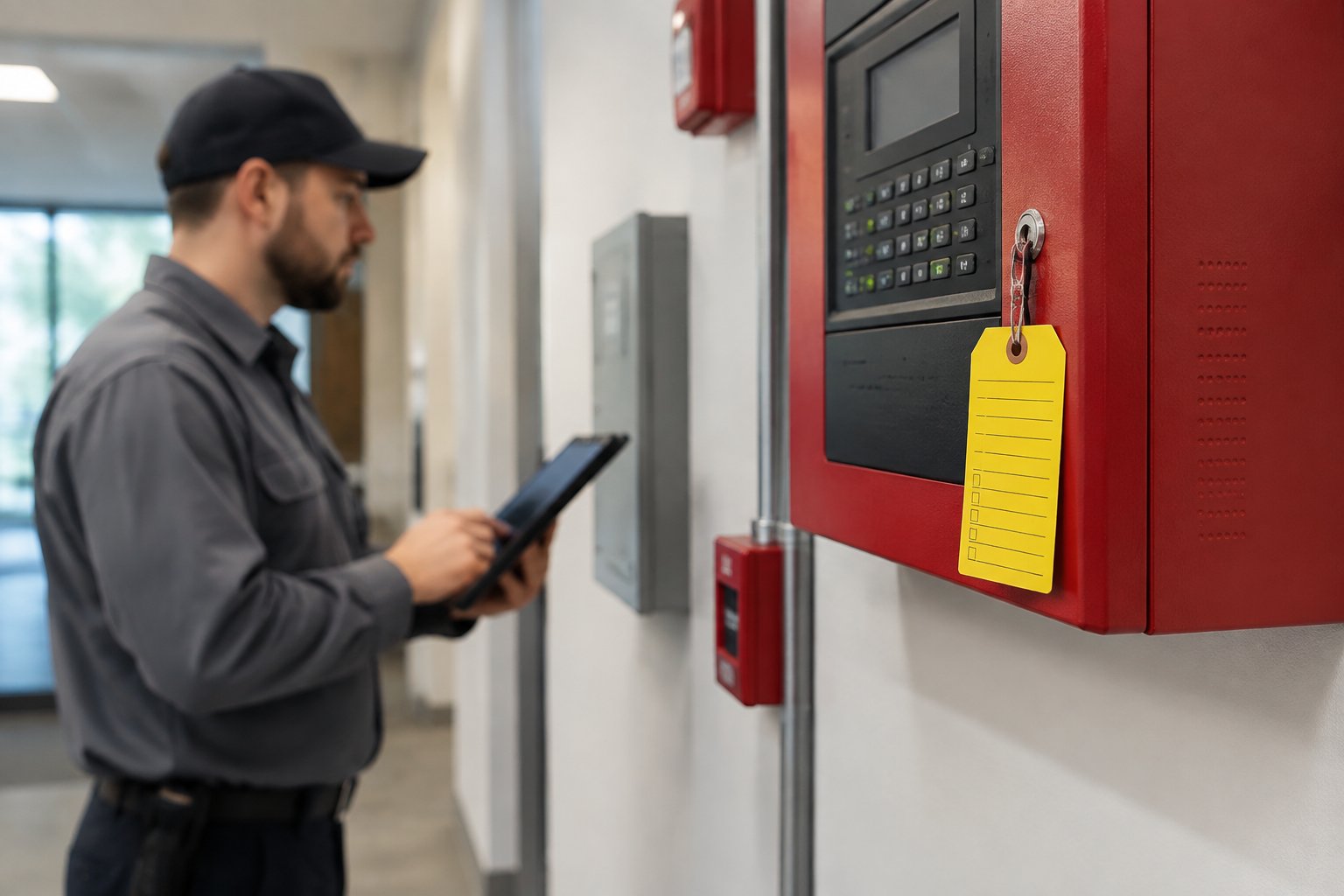
You need regular maintenance and testing to keep your fire alarm system working well. Inspections and tests help catch problems early, so your system responds when it matters most.
Follow these key steps for maintenance:
- Monthly tests: Check smoke detectors and alarms for proper operation.
- Annual inspections: Have a licensed professional review the whole system.
- Documentation: Keep clear records of all tests, repairs, and updates.
Dust, humidity, and wear can cause parts to fail. Batteries lose power, sensors clog, and circuits may degrade over time. Regular upkeep prevents false alarms and system breakdowns, and trusted Texas providers can coordinate inspections, testing, and upgrades so your fire alarm system components stay code-compliant and ready to respond.
Protecting Your Property With the Right Components
Understanding your fire alarm system components helps you spot gaps, plan upgrades, and keep your building safer. As a next step, review your detectors, notification devices, power supplies, and monitoring setup. Make sure each part is tested, documented, and aligned with current fire codes.
In Texas, Alarm Masters provides licensed design, installation, inspection, and monitoring so your system stays reliable and compliant. With fast response, including a 48-hour service turnaround on most calls, you get clear guidance instead of guesswork.
If you are unsure about the condition or coverage of your fire alarm system components, do not wait for a false alarm or an emergency to find out. Have a licensed technician review your setup, testing, and records. Schedule service now to get a clear action plan and a safer, more dependable fire alarm system.
Frequently Asked Questions
What are the main fire alarm system components?
The main fire alarm system components are the control panel, initiating devices (such as smoke and heat detectors, and manual pull stations), notification appliances (horns, strobes, speakers), power supplies, and monitoring or communication equipment. Together, these parts detect a fire, warn occupants, and help send alerts to responders.
How often should fire alarm system components be tested?
Most systems benefit from monthly user tests of alarms and visible indicators, along with a comprehensive annual inspection by a licensed technician. Regular testing confirms that detectors, notification devices, and power supplies work properly and that your system still meets current fire code requirements.
What is the difference between smoke detectors and heat detectors?
Smoke detectors sense particles from smoke and usually respond faster to many types of fires, especially smoldering ones. Heat detectors respond to a set temperature or a rapid rise in heat and are often used in areas where smoke or dust could cause false alarms. Both are important fire alarm system components, but they serve different environments and risks.
Do I need both audible and visual notification appliances?
In many buildings, yes. Audible devices like horns and speakers help people who can hear the alarm, while visual devices like strobes support people who are deaf or hard of hearing and those in noisy spaces. Using both types of notification appliances improves coverage and helps everyone respond quickly.
How long do fire alarm system components last?
Lifespan varies, but most smoke detectors should be replaced about every 8–10 years, and batteries often need replacing every few years or as recommended by the manufacturer. Other components, such as control panels and notification appliances, can last longer if they are tested regularly and repaired or updated when problems appear.
Are wireless fire alarm system components reliable?
Modern wireless fire alarm system components can be very reliable when properly designed, installed, and maintained. They are often used in buildings where running new wiring is difficult. However, they must still meet applicable codes and should be tested and documented just as thoroughly as wired systems.



.svg)


.svg)