.svg)
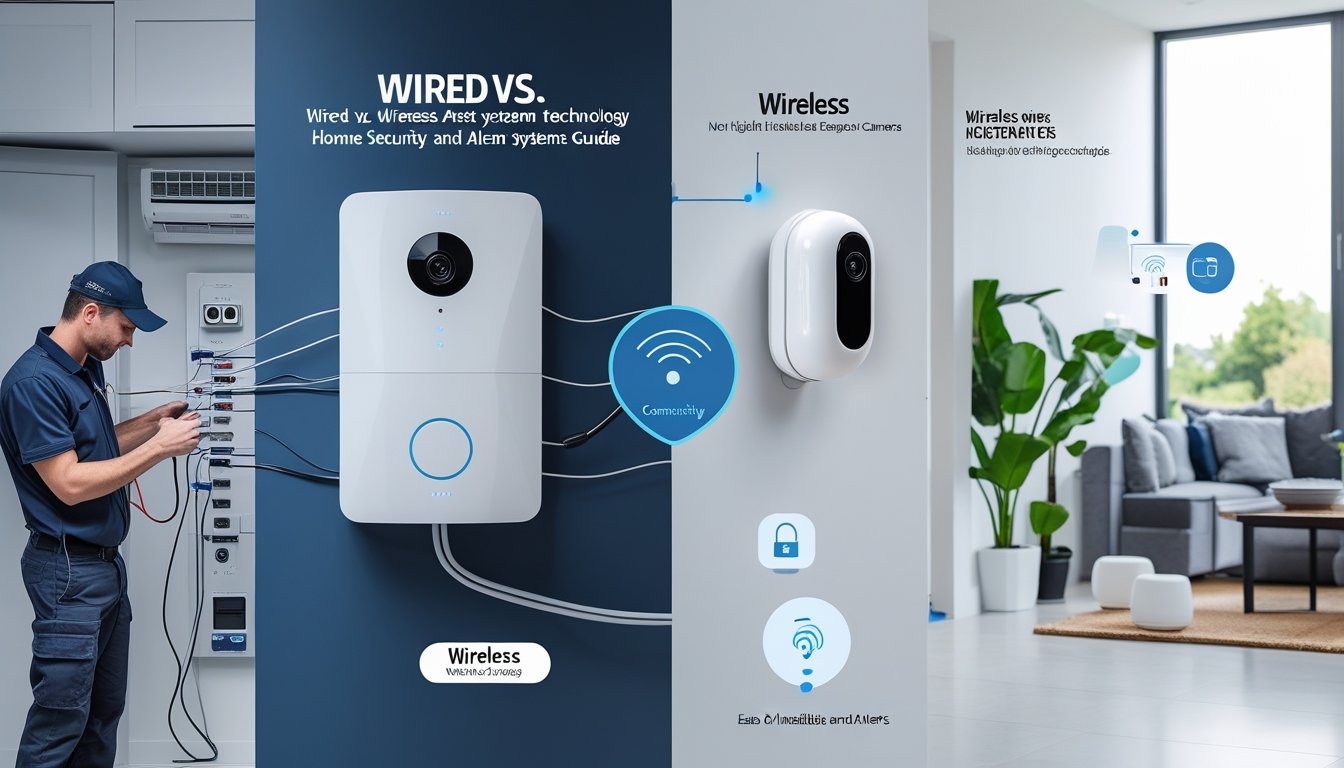
Choosing between wired vs. wireless home security and alarm systems can feel overwhelming when you just want your home protected. This guide breaks down the real-world differences in plain language so you can decide with confidence. You will see how each option affects cost, reliability, and day-to-day use.
Based in Texas, Alarm Masters pairs licensed technicians with a 48-hour service turnaround to help you design and install the right system for your property. Whether you are upgrading an older setup or starting from scratch, you get clear recommendations instead of guesswork.
In this guide, you will learn how wired and wireless systems work, where each one excels, and what trade-offs to expect. By the end, you will know which system type fits your home, your lifestyle, and your comfort level with technology.
Understanding Wired and Wireless Home Security and Alarm Systems
Choosing the right home security system means knowing how each type works and what makes them different. You want a system that fits your home’s layout, your budget, and your comfort with technology.
As you compare wired vs. wireless home security and alarm systems, focus on how each option will work day to day, not just during installation.
What Is a Wired Home Security System?
A wired home security system connects all components with physical cables. These wires run through your walls, linking sensors, cameras, and control panels to a central hub.
This setup usually requires professional installation to hide cables and ensure secure connections. Wired systems are known for their consistent power supply and strong signal reliability.
Because they are not affected by Wi-Fi or radio interference, they offer stable security coverage. However, installation can be more involved and costly, especially in older homes without existing wiring.
You benefit from a system that is less prone to hacking and signal loss. Maintenance tends to focus on physical wiring checks, and the system can run even if your internet goes down.
What Is a Wireless Home Security System?
Wireless security systems communicate through radio signals or Wi-Fi without physical cables connecting every device. Sensors, cameras, and alarms often come pre-linked to a control panel or app, making installation simpler and faster.
These systems are a good fit if you want flexibility or plan to move your security setup in the future. You avoid drilling and wiring, which cuts down on setup time and cost.
Wireless systems can integrate easily with smart home devices for remote control and monitoring. However, wireless systems depend on batteries and your home’s network stability.
They can face interference from other wireless devices, and battery replacements are an ongoing task to keep your security active.
Core Components of Each Security System
Both wired and wireless systems share basic components, but their setup varies:
- Control Panel: The central unit managing the system
- Sensors: Door and window contacts, motion detectors, glass-break sensors
- Alarm Siren: Alerts occupants and neighbors during a breach
- Keypads or Touchscreens: Allow you to arm or disarm the system
In wired systems, components connect with cables leading to the control panel inside your home. Wireless systems use radio waves to communicate between devices and the central hub, often connecting to an app on your phone for alerts.
Many systems also offer professional monitoring services, which notify emergency responders if needed. Whether wired or wireless, these components work together to provide the protection you need.
How Wired and Wireless Connections Differ
Wired systems use low-voltage cables that create a direct physical link between devices. This setup is less likely to fail due to interference and does not rely on batteries for power. The cables run inside walls or ceilings, keeping connections secure and hidden from tampering.
Wireless systems depend on signals sent through radio frequencies or Wi-Fi networks. This means their performance can be affected by distance, obstacles, and other wireless traffic. Devices run on batteries and need regular charging or replacement to maintain protection.
The critical trade-off is between the sturdiness of wired connections and the ease of installation and flexibility of wireless technology. Your choice depends on the layout of your property, willingness to handle maintenance, and desire for system mobility.
Key Differences Between Wired and Wireless Alarm Solutions
Choosing between wired and wireless alarm systems means looking closely at how they install, work, and get their power. Each type suits different needs based on these key factors.
Installation Process
Wired alarm systems require running cables throughout your property. This involves drilling and placing wires inside walls or ceilings.
Installation can take more time and may call for professional expertise to ensure a neat, secure setup. It is best for new constructions or major renovations where wiring can be planned in advance.
Wireless systems use radio signals to connect devices. Installation is quicker and less invasive because you do not need to run cables.
You can place sensors and alarms almost anywhere, making wireless a flexible choice for existing homes. However, wireless setups usually rely on strong signal coverage to work reliably.
Reliability and Performance
Wired systems offer consistent performance. Physical cables reduce the chance of signal interference or loss, providing steady monitoring.
They are less vulnerable to hacking or signal jamming, which adds to their security reliability. Wired alarms also often integrate easily with other security or fire alarm systems.
Wireless systems depend on battery power and radio signals, which can be affected by distance, walls, or other electronic devices. While modern wireless technology is very reliable, it can sometimes face interruptions.
You may need to replace batteries regularly, and there is a slight risk of signal interference or cyber threats if not properly secured.
Power Supply Considerations
Wired alarm systems connect directly to your building’s electrical supply. This keeps them powered without interruptions, except during a power outage, where backup batteries usually activate.
You will not need to worry about changing batteries in sensors or panels. Wireless alarms mostly run on batteries.
This gives them the advantage of working during power outages without backup power. Still, you have the ongoing task of monitoring battery life and replacing batteries before they fail to avoid gaps in protection.
Pros and Cons of Wired Home Security Systems
Wired home security systems use physical cables to connect all parts of the system. This type offers strong reliability and consistent performance, but the installation and flexibility may not fit every home or lifestyle.
Advantages of Wired Systems
You get a steady, reliable connection with wired systems because each device links through physical cables. This means fewer interruptions from signal interference or power issues compared to wireless.
Wired systems also provide strong security since hacking risks are lower without wireless signals. They tend to last longer and require less battery replacement, reducing ongoing maintenance.
If you have a large home or want permanent protection, wired setups offer stability. Once installed, you do not have to worry about Wi-Fi network changes affecting your security.
Drawbacks of Wired Systems
Wired systems need professional installation, which can be more costly and time-consuming. Running cables through walls and ceilings might require remodeling or damage to your home.
If you move frequently, switching a wired system to a new place can be difficult and expensive. The lack of flexibility can be a downside for renters or people who want to upgrade often.
Wired systems may also limit the placement of devices based on cable length. Planning is essential to make sure all areas are covered properly without visible wiring.
Pros and Cons of Wireless Home Security Systems
Wireless home security systems offer flexibility and quick installation. They avoid the need for extensive wiring and allow you to place sensors and devices wherever needed.
However, they also come with some limits related to power and connectivity that you should understand before choosing.
Benefits of Wireless Systems
Wireless security systems give you easy installation because they do not require cables inside walls or floors. This saves time and can reduce costs during setup.
You can also move sensors and devices easily if you rearrange or move to a new home. These systems often use radio frequency to connect sensors to the control panel, which means you do not need professionals to run wires throughout your property.
They are also scalable, so you can start with basic coverage and add equipment later. With wireless systems, you get remote access and notifications through smartphone apps.
You can monitor your home and receive alerts instantly, providing peace of mind when you are away.
Limitations of Wireless Systems
Wireless systems rely on batteries, so you need to replace or recharge them regularly. If batteries die, parts of your system could stop working, reducing protection until power is restored.
Because they use radio signals, wireless devices can face interference or signal loss from thick walls, electronic devices, or other wireless networks. This can affect reliability and make sensors less responsive.
In some cases, wireless systems may be more vulnerable to hacking or jamming. You should choose systems with strong encryption and security features to reduce risks.
Finally, while wireless systems offer convenience, they may not provide the same level of permanent, stable connection that wired systems deliver, especially for larger properties.
Cost Comparison: Wired Vs. Wireless Home Security
The cost differences between wired and wireless home security systems affect both your initial setup and long-term expenses. Knowing what to expect can help you choose a system that fits your budget and protection needs.
Upfront and Installation Costs
Wired systems usually have higher upfront costs because they require professional installation. Running cables through walls takes time and labor, which increases the bill.
This can range from several hundred to over a thousand dollars, depending on your home's size and complexity. Wireless systems tend to be cheaper to install.
You can often set them up yourself or with minimal professional help. Equipment is generally less expensive, and no wiring means fewer installation challenges.
However, wireless kits may still require extra gear, such as range extenders, which add to the total cost.
Maintenance and Long-Term Expenses
Wired systems tend to have lower maintenance costs. Since they rely on a direct connection, they are less prone to interference or disconnection. Repairs are usually limited to physical damage or wear on wiring. Wireless systems may require more ongoing attention.
Batteries in sensors and devices need regular replacement. Signal interference or dead spots can cause interruptions, possibly leading to service calls or equipment upgrades.
Over time, these factors can increase your maintenance costs. Both systems often include monitoring fees, which vary by provider and plan but are similar regardless of wired or wireless technology.
Key points for maintenance
- Wired: Rare battery replacements, fewer service issues
- Wireless: Frequent battery changes, possible signal problems
Suitability for Different Properties
Choosing between wired and wireless home security depends largely on your property type and your specific needs. Each system fits certain situations better based on installation complexity, flexibility, and property conditions.
Best Use Cases for Wired Security
Wired systems work best in homes where security is a long-term priority and structural work is not a barrier. If you own your home or are building new, wired alarms offer a stable, interference-free connection through physical cables.
They are ideal for larger properties or multi-level homes where signal strength might weaken with wireless systems. Wired setups ensure sensors, cameras, and alarms communicate consistently, without delays or disconnections.
Because they become part of your house’s infrastructure, wired systems usually require professional installation and can be more disruptive upfront. Once installed, their reliability usually exceeds wireless alternatives.
Best Use Cases for Wireless Security
Wireless alarm systems are suited for situations where flexibility and fast installation matter most. They work well in finished homes, rentals, or older buildings where running wires is difficult or would damage walls.
If you want to quickly install a system or expect to move within a few years, wireless is easier to scale and relocate. Their use of radio signals means they avoid the need for deep wiring.
Wireless systems can face signal interference from walls or devices, so they are best for smaller properties or places with fewer obstacles blocking transmission.
Considerations For Renters Vs. Homeowners
Renters typically benefit more from wireless security systems. These require no structural changes and can be installed or removed without damaging the property, making them tenant-friendly.
Homeowners generally have more freedom to choose wired systems due to fewer installation restrictions. Wired security can provide a higher level of consistent protection, especially if you plan to stay in your home long term.
Both renters and homeowners should confirm system compatibility with their living arrangements and anticipate future moves or renovations when deciding between wired and wireless options.
Scalability and Flexibility
Choosing between wired and wireless home security affects how easily you can grow and adapt your system. Both types handle expansion and smart home setup differently, so understanding these points helps you pick the best fit for your needs.
System Expansion and Upgrades
Wired systems rely on physical cables, making expansions more complicated. Adding sensors or cameras often means running new wiring through walls or ceilings.
This can increase costs and time for upgrades. However, once installed, the system is very stable and less prone to signal issues.
Wireless systems offer easier expansion. You can add devices without extra wiring, making upgrades faster and less expensive.
This setup suits growing homes or if you expect to move or change equipment regularly. Keep in mind, wireless systems depend on battery life and signal strength, which may require periodic maintenance.
Smart Home Integration
Wireless security systems usually integrate better with smart home devices. You can control alarms, cameras, and locks remotely via apps.
Many allow voice commands and connect with platforms like Alexa or Google Home. This gives you flexible and convenient control on your phone or tablet.
Wired systems may support smart features, but often need extra hardware to connect to home networks. Their focus is more on consistent performance and reliability than on quick tech updates.
If you prioritize strong, uninterrupted security, wired systems are a reliable choice, even if they offer fewer smart integration options out of the box.
Security, Privacy, and Vulnerabilities
Your choice between wired and wireless home security systems affects how safe your data and devices are. Each system has unique risks and protection methods you need to know to keep your home secure.
Threats to Wired Systems
Wired systems use physical cables, which limit some risks but introduce others. The main threat is tampering, since attackers can cut or damage wires to disable the system.
This can cause your alarms or cameras to stop working without immediate detection. Wired setups also depend on a fixed connection.
If there is damage inside the walls or ceilings, repairs can be costly and slow. However, wired systems are less exposed to wireless hacking since they do not rely on radio signals.
Since wired systems do not broadcast signals, interception or jamming attacks are rare. Ensure cables are properly installed in secure areas to reduce the chance of physical interference.
Threats to Wireless Systems
Wireless systems use Wi-Fi or other radio signals, giving you more flexibility but opening up different risks. Signals can be jammed, causing delays or disabling alarms temporarily.
This interference might come from nearby devices or intentional attacks. Wireless devices may also be vulnerable to hacking if the network is not secured.
Weak passwords, outdated firmware, or unsecured connections can let intruders access your cameras or alarms remotely. Because wireless data travels through the air, unauthorized interception is a concern.
To reduce this risk, use strong passwords and regularly update your system’s software.
Data Encryption and Protection
Both wired and wireless systems benefit from data encryption to keep your information safe. Encryption scrambles data so only authorized devices can read it, preventing hackers from accessing surveillance footage or alarm signals.
Wireless systems rely heavily on encryption due to their signal transmission. Look for systems that use industry-standard protocols like WPA3 for Wi-Fi and AES encryption for sensor communication.
Wired systems can also encrypt their data, especially when integrated with smart devices. When selecting a security system, verify that encryption is active and automatic updates are available to maintain protection.
Maintenance and Troubleshooting
Keeping your security system reliable means regular care and quick action when issues arise. Both wired and wireless systems need attention to stay effective.
You should check key parts routinely and know how to handle power or signal problems to avoid downtime.
Routine Component Checks
For wired systems, inspect cables and connections for damage or wear. Look for any loose or exposed wires, especially around areas prone to moisture or physical contact.
Confirm that control panels and sensors respond properly during tests. Wireless systems rely on battery-powered sensors.
Check batteries regularly, replacing them before they run low to prevent signal loss. Clean sensors to keep motion detection accurate.
Make sure no objects block communication between sensors and the control panel. Whether wired or wireless, test alarms to verify immediate alerts.
Schedule professional maintenance annually to catch issues early. This helps keep your system fully functional and compliant with safety regulations.
Dealing with Power or Signal Failures
Wired systems depend on stable power and intact wiring. If power fails, check your backup sources like batteries or generators.
Inspect wiring for signs of damage from pests or wear. Signal loss usually comes from broken connections, which require quick repair to restore protection.
Wireless systems can lose signal due to battery failure, interference, or distance. Start by replacing batteries if alerts go silent.
Reduce obstacles or move sensors closer to the control panel to improve range. Rebooting your system often resets signal links. For both system types, using a backup power supply is critical. This ensures alarms run during power outages.
Call your licensed technician if issues persist so they can diagnose and fix problems swiftly under your system’s warranty and maintenance plan.
Making the Right Choice: Wired vs Wireless Home Security and Alarm
Choosing between wired and wireless home security depends on your specific needs and property features. Consider your home's layout, your budget, and how you want to use the system.
Both options offer solid protection, but their differences affect installation, reliability, and future maintenance.
Assessing Personal and Property Needs
First, look at your property's size and structure. Wired systems require cables hidden in walls or floors, which works best for new builds or major renovations.
If your home has thick walls or multiple floors, wiring might be more complex and costly. Wireless systems offer easier installation and can fit older homes where wiring is difficult.
They use radio signals to connect sensors, giving flexibility to move devices or upgrade your system over time. Think about your schedule and ability to maintain the system.
Wired setups are low maintenance and less prone to interference, but need professional installation. Wireless systems are easier to install but depend on battery power and strong signal coverage. Consider whether you want to manage changes yourself or prefer professional support.
Choosing the Right Security System for Your Home
When you compare wired vs. wireless home security and alarm systems, the best choice comes down to your property, your budget, and how hands-on you want to be with maintenance.
If you want licensed guidance on designing a system that truly fits your home, Alarm Masters can walk you through options for both wired and wireless setups. You get help weighing reliability, smart features, and costs, so there are no surprises after installation.
Talk with a licensed professional about your layout, internet reliability, and long-term plans, then compare your options side by side. Get a free estimate and move forward with a home security plan you feel confident in.
Frequently Asked Questions
What is the main difference between wired vs. wireless home security and alarm systems?
Wired systems use physical cables to connect sensors, cameras, and control panels. Wireless systems rely on radio signals or Wi-Fi, which makes them easier to install and move but more dependent on batteries and signal strength.
Which is more reliable, wired or wireless home security?
Wired systems are generally more reliable because they use direct cable connections and stable power from your electrical system. Wireless systems are very dependable today, but can be affected by weak signals, dead batteries, or network issues.
Are wireless home security systems easier to install?
Yes. Wireless systems usually mount with simple hardware and connect through an app or control panel, so they can often be installed without major drilling. Wired systems typically require running cables through walls and ceilings, which is more time-consuming.
Which option is better for renters?
Wireless systems are usually better for renters because they do not require permanent changes to the property. They can be removed and taken with you when you move, and they typically only need small screw holes or adhesive mounts.
Do wired systems cost more than wireless systems?
Upfront, wired systems often cost more because of professional installation and the labor to run cables. Wireless systems may have lower installation costs, but you should budget for ongoing battery replacements and potential signal extender devices.
Can wireless home security systems be hacked?
Any connected device has some risk, but strong passwords, updated firmware, and encryption significantly reduce that risk. Look for systems that support modern Wi-Fi security standards and allow automatic updates.
Will a wired system still work during an internet outage?
Yes. Most wired systems continue to work during an internet outage because they rely on physical cabling and local power, often with backup batteries. You may temporarily lose app access or remote features, but core detection and alarming usually stay active.
Can I switch from a wired system to a wireless system later?
In many homes, you can, but it may require new devices and a different control panel. Some hybrid systems support both wired and wireless components, which can help you upgrade gradually instead of replacing everything at once.



.svg)


.svg)