.svg)
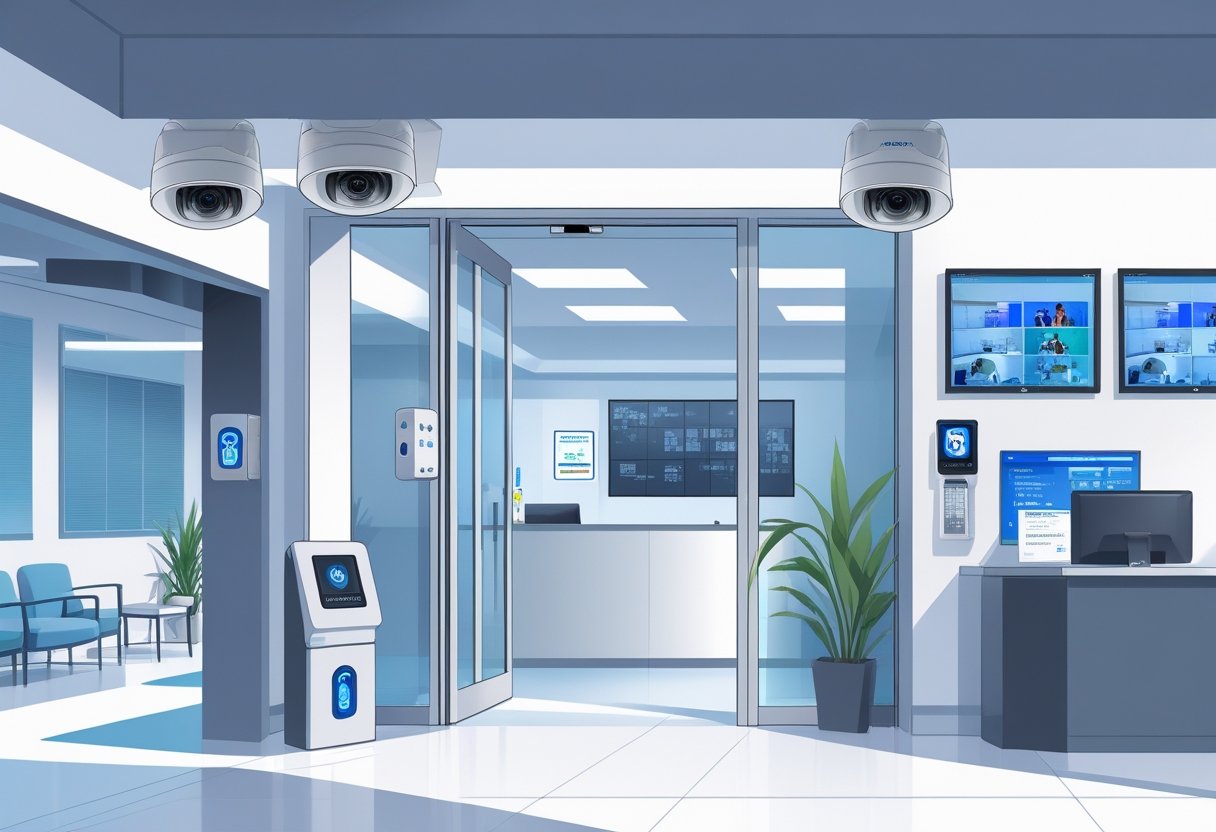
When it comes to safeguarding your medical office in Houston, implementing a robust security system is essential. Medical office security systems not only protect your patients and staff but also secure sensitive information and assets. With the increasing demand for safety and privacy in healthcare facilities, investing in the right security solutions can make a significant difference in your operations.
In Houston, you have various options for security systems tailored specifically for medical environments. These include features like controlled access points, video surveillance, and alarm systems designed to respond quickly to emergencies. By integrating these technologies, you can enhance the overall security of your practice while ensuring that you comply with healthcare regulations.
Choosing the right security system in Houston means prioritizing the safety of your facility and its occupants. The right solutions can elevate your practice’s security posture and provide peace of mind for both you and your patients, allowing you to focus on delivering quality care.
Core Security Systems for Medical Offices in Houston
Ensuring the safety of your medical office in Houston involves implementing cutting-edge security technologies and integrated solutions tailored to the healthcare environment. This section covers essential security technologies, solutions that combine various security measures, and important compliance considerations to protect your practice effectively.
Essential Security Technologies
A robust security system for your medical office includes several core technologies. Video surveillance systems are crucial; they provide real-time monitoring and recorded evidence in case of incidents. Look for systems equipped with high-definition cameras that offer clear images, even in low light.
Access control systems are equally important. These systems manage who can enter sensitive areas of your facility, using methods such as keycards or biometric readers. Implementing intrusion detection alarms also helps alert your staff to unauthorized access timely.
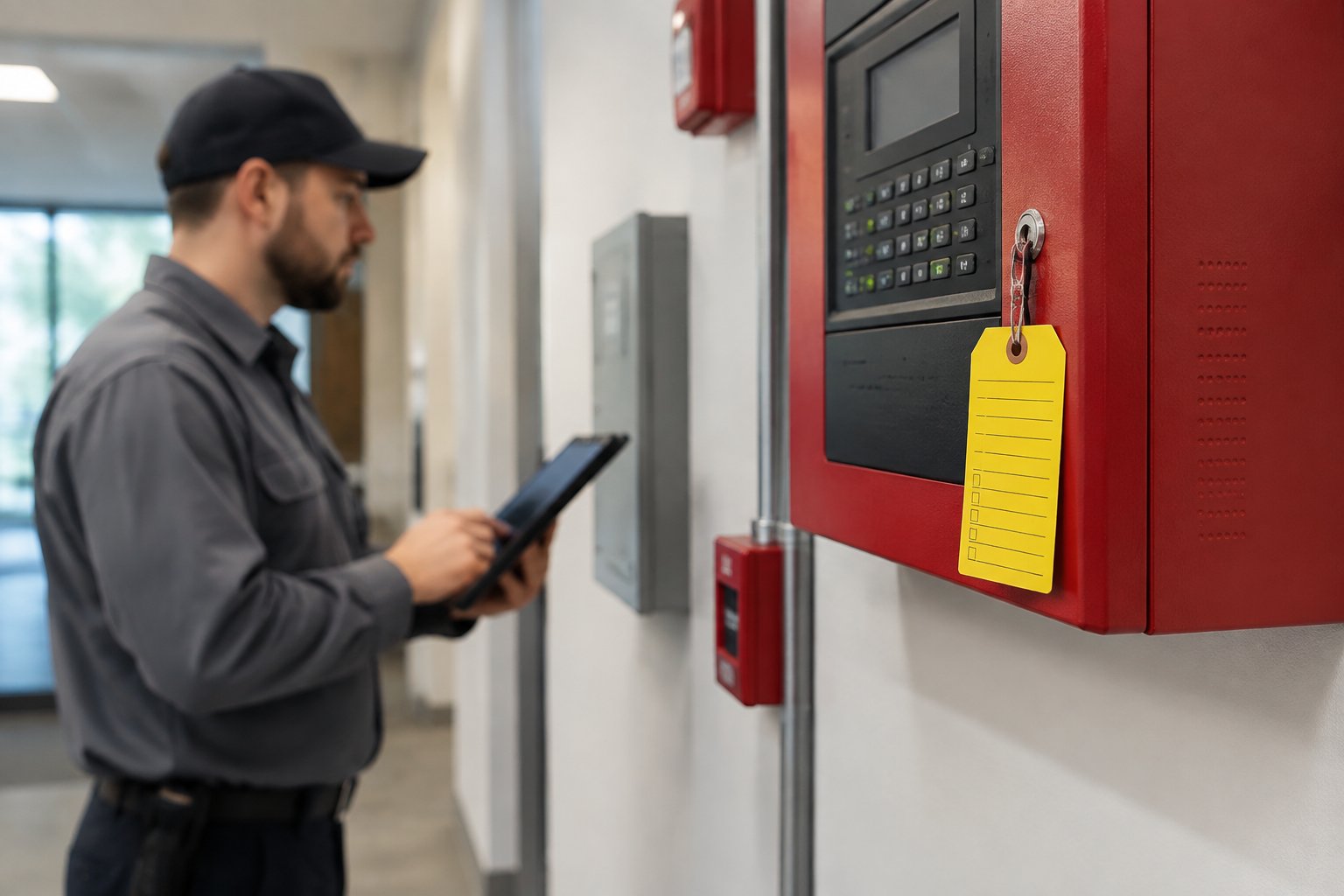
You should also consider environmental monitoring systems that can detect fire, moisture, or temperature fluctuations, protecting both your facility and its valuable medical equipment. Together, these technologies create a comprehensive security framework essential for safeguarding your medical office.
Integrated Security Solutions
Integrated security solutions provide a cohesive approach to safeguarding your medical office. By combining access control, video surveillance, and alarm systems, you create an environment that enhances response time and operational efficiency.
Consider investing in centralized management software that allows you to monitor all security systems from a single interface. This can streamline operations and improve your ability to respond to security incidents.
You can also implement mobile security applications, allowing you to receive alerts and view live feeds from your smartphone. These solutions not only provide enhanced security but also improve your overall practice management.
Compliance and Regulatory Considerations
In the healthcare sector, adherence to regulations such as HIPAA is vital. Your security systems must be configured to protect sensitive patient data and ensure compliance with industry standards.
Ensure that your video surveillance systems are designed to meet privacy regulations, avoiding unauthorized capture of patient information. Access control measures must also restrict access to areas where PHI (Protected Health Information) is stored or processed.
Regular audits and compliance checks ensure that your security measures align with evolving regulations. Partnering with local experts familiar with healthcare compliance in Houston can significantly ease this process.
Video Surveillance and Monitoring Solutions
Securing a medical office requires advanced video surveillance and monitoring solutions. These systems are imperative in protecting sensitive areas and ensuring patient safety. Here are key aspects of effective video surveillance tailored for medical facilities.
Security Cameras for Medical Facilities
Choosing the right security cameras is vital for monitoring your medical office. High-definition cameras provide clear images, making it easier to identify individuals and assess situations.
Consider installing fixed, PTZ (pan-tilt-zoom), and dome cameras strategically:
- Fixed cameras cover specific areas, like entrances or waiting rooms.
- PTZ cameras allow you to zoom in on activities and track movements.
- Dome cameras are more discreet, making them harder to vandalize.
Ensure cameras have night vision capabilities, as many incidents occur after hours. It's essential to select cameras specifically designed for healthcare environments, resistant to sanitizers and able to operate under various lighting conditions.
Real-Time Video Security System Integration
Integrating real-time video security systems enhances your overall security framework. Linking surveillance cameras with alarm systems enables immediate alerts for unusual activities, ensuring rapid responses.
- Centralized monitoring allows you to view all camera feeds from one screen.
- Cloud storage ensures that footage is secure and accessible even if equipment is damaged.
- Remote access means you can monitor your medical facility from anywhere, ensuring peace of mind.
Additionally, integrating access control systems with video surveillance offers an added layer of security. You can monitor who enters restricted areas, helping safeguard patient records and sensitive information.
Mobile and Remote Surveillance Access
Mobile and remote access to your surveillance systems offer convenience and flexibility. This feature allows you to monitor live feeds and access recorded footage from your smartphone or tablet.
Applications designed for both Android and iOS platforms make it easy to stay connected. Key benefits include:
- Instant notifications of alarms and system alerts.
- Real-time viewing of premises, enabling you to respond quickly to incidents.
- User-friendly interfaces, simplifying navigation through multiple camera feeds.
Having remote access is particularly beneficial during off-hours or when you are away from the facility, ensuring that your medical office remains secure at all times.
Incorporating these video surveillance and monitoring solutions will significantly enhance your medical office's security in the greater Houston area.
Access Control and Intrusion Detection
Implementing effective access control and intrusion detection systems is essential for securing medical offices in Houston. These technologies help protect sensitive patient information and ensure a safe environment for staff and patients. Various options are available to cater to your specific security needs.
Office Access Control System Options
Access control systems are vital in managing who can enter specific areas within your medical office. Keypad entry systems allow authorized personnel to enter secure areas using unique codes. This method is simple yet effective for restricting access.
Card-based systems are another popular choice. They use key cards that employees swipe to gain entry. These systems can easily be expanded as your staff grows.
Mobile access control is gaining traction, enabling users to access secured areas using their smartphones. This option offers convenience and a modern approach to security. In Houston, various providers can customize these systems to fit the specific requirements of your medical office.
Biometric and Smart Credential Solutions
Biometric solutions provide an added layer of security by utilizing unique personal traits for access. Fingerprint scanners and facial recognition technology can ensure that only authorized individuals access sensitive areas. These methods reduce the risk of unauthorized entry, which is crucial for safeguarding medical records.
Smart credentials, such as RFID-enabled badges, streamline the access process while enhancing security. These badges can be programmed to allow or restrict access to specific areas based on the user's role. Implementing these advanced solutions can significantly strengthen your office's security framework.
Intrusion Detection Technologies
Intrusion detection technologies play a critical role in ensuring your medical office remains secure. Motion sensors can detect unauthorized movement in restricted areas, sending immediate alerts to your security team. These sensors can be integrated with your access control system for a cohesive security strategy.
Video surveillance systems equipped with smart analytics can improve visibility around your property. This technology not only captures events but also analyzes behavior patterns to detect potential threats.
Alarm systems that work alongside intrusion detection technologies ensure a rapid response to incidents. With 24/7 monitoring services available specifically in Houston, you can maintain a proactive approach to security and protect your medical office effectively.
Data Security and IT Infrastructure
Implementing robust data security measures is essential for medical offices in Houston. Ensuring compliance and protection requires a focused approach to both data management and IT infrastructure. Here’s what you need to know.
HIPAA-Compliant Data Protection
To safeguard patient information, your medical office must adhere to HIPAA regulations. These standards require you to implement administrative, physical, and technical safeguards.
- Administrative Safeguards: Establish policies for privacy and security training. Ensure all staff are aware of their roles in data protection.
- Physical Safeguards: Secure your facility with access controls and surveillance systems, ensuring only authorized personnel can access sensitive areas.
- Technical Safeguards: Utilize encryption for data storage and transmission. Tools should also include secure user authentication methods and audit controls.
By integrating these HIPAA-compliant practices, you protect patient data and maintain trust.
Cybersecurity Strategies for Medical Offices
Cyber threats are increasingly targeting healthcare. To counter this, a comprehensive cybersecurity strategy is vital.
- Regular Software Updates: Keep your systems updated to patch vulnerabilities.
- Firewalls and Anti-virus Programs: Employ robust firewalls and keep anti-virus software current to prevent unauthorized access.
- Employee Training: Conduct routine training sessions focused on phishing and other common cyber threats. Employees should know how to identify suspicious activities.
- Data Backup Solutions: Regularly back up critical data to recover quickly in case of a breach.
Implementing these strategies helps create a resilient environment against cyber risks.
Centralized Security Management
Centralized security management can enhance your office's data protection efforts. This approach simplifies oversight and integration of various security measures.
- Unified Security Systems: Consider using an integrated platform to monitor all security facets, including access control and video surveillance.
- Real-Time Monitoring: Employ systems that offer 24/7 monitoring for immediate detection of security breaches or unauthorized access.
- Incident Response Plans: Develop clear protocols for responding to security incidents. Ensure that your team knows whom to contact and what steps to take during a breach.
By centralizing your security management, you streamline processes and enhance your ability to respond to threats.
Operational Improvements and Safety Enhancements
In the Houston area, enhancing security in medical offices is essential for improving operational efficiency and safeguarding patient safety. By focusing on integration, visitor management, and theft prevention, you can create a secure and streamlined environment.
Integrating Security with Operational Workflow
When you integrate security systems with your operational workflow, it ensures that safety is a seamless part of daily activities. This involves combining surveillance and access control systems with existing processes.
For example, video surveillance can monitor patient areas without disrupting the flow of care. Doors equipped with biometric access can limit entry to authorized personnel only, enhancing confidentiality and safety.
Implementing real-time alerts can significantly speed up response times in emergencies. This setup not only protects patients and staff but also promotes an efficient working environment.
Visitor Management and Life Safety Features
A robust visitor management system is key to maintaining security in your medical office. This system allows you to track who enters and exits the facility, preventing unauthorized access.
Consider integrating a digital registration process that captures visitor information and issues temporary badges. This adds an extra layer of security, ensuring only registered individuals can access sensitive areas.
In terms of life safety, incorporating fire alarms and emergency lighting is critical. Conduct regular drills to ensure staff knows evacuation routes and that systems function correctly.
Training staff on these protocols will greatly enhance the safety and response capabilities of your office.
Loss and Vandalism Prevention Strategies
To protect your medical office from loss and vandalism, a multifaceted approach is necessary. Start by installing motion detectors and surveillance cameras in key areas.
Implementing security lighting around entrances and parking lots can deter unwanted activity after hours. Moreover, regular audits of high-value equipment can help identify vulnerabilities.
Consider developing a clear policy for handling security incidents. This should include documentation procedures and immediate reporting to local authorities. Utilizing these strategies will help to minimize risks and maintain a secure environment for both patients and staff.
Frequently Asked Questions
Medical office security systems in Houston can be complex, given the specific needs of healthcare facilities. Understanding various elements, including costs, advanced features, and regulatory compliance, is crucial for making informed decisions.
How do I determine the best security system for a medical office in Houston?
To choose the right security system, assess your specific needs, such as access control, CCTV, and alarm systems. Consider factors like facility layout, patient volume, and potential security threats. Consulting with local experts can help you identify the most suitable options.
What are the average installation costs for a medical office security system?
Installation costs vary widely based on the type and scale of the system. On average, you can expect prices to range from a few thousand to tens of thousands of dollars. Factors influencing the cost include equipment type and installation complexity.
Can local security companies in Houston provide tailored services for medical facilities?
Yes, many local security companies specialize in providing tailored services for medical facilities. They can assess your specific requirements and design a custom solution that fits your practice's needs. This localization ensures better compliance with healthcare regulations in Houston.
What advanced features should be considered in a medical office security system?
Advanced features to consider include real-time monitoring, mobile access, and integration with other healthcare systems. Biometric access controls and remote surveillance can enhance security while ensuring that patient data remains protected. These features help maintain a secure environment for staff and patients alike.
Which security companies offer specialized alarm systems for medical offices in Houston?
Several security companies in Houston provide specialized alarm systems tailored for medical offices. They ensure that these systems are designed to meet the unique needs of healthcare environments. Researching local providers will help you find the right solution for your specific requirements.
What are the compliance standards for security systems in Houston medical offices?
Compliance standards for medical office security systems often involve the Health Insurance Portability and Accountability Act (HIPAA) and local regulations. These standards ensure that patient safety and confidentiality are prioritized. Familiarizing yourself with these regulations is essential when implementing a new security system.



.svg)


.svg)