.svg)
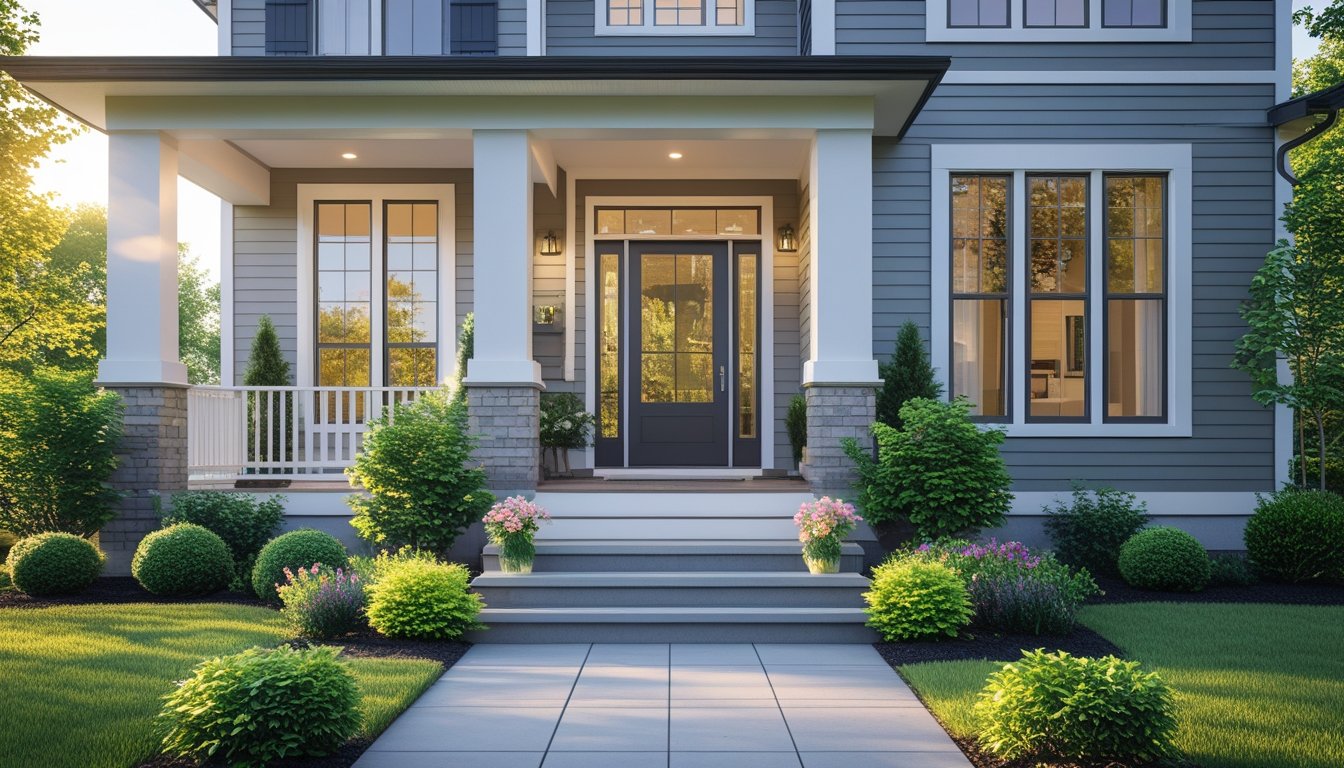
If you’re wondering how to secure a home without an alarm, you’re not alone. Many homeowners want real protection without monthly fees or complicated technology. The good news is that simple, physical upgrades and smart habits can make your home a much harder target.
In Texas, licensed providers like Alarm Masters often start with these same fundamentals before adding advanced systems. Strong doors and windows, smart lighting, and clear sightlines around your property all play a major role.
This guide walks you step-by-step through practical ways to secure your home without installing a traditional alarm. You’ll learn how to harden entry points, use lighting and fencing wisely, and build safer routines every day. Use it as a checklist to boost security on your schedule and budget.
Understanding Home Security Without Alarms
You can protect your home even without an alarm system. Knowing the benefits of alarm-free security, the common threats your home faces, and how physical deterrents work helps you build a strong safety plan.
Benefits of Non-Alarm-Based Security
Securing your home without an alarm saves you money on installation and monthly monitoring fees. You can use simple tools like strong locks, reinforced doors, and outdoor lighting to keep burglars away.
These measures don’t rely on technology that might fail or need power. You also avoid false alarms, which can cause stress and fines.
Non-alarm methods usually need less maintenance and are easier for everyone in your household to use. By focusing on visible, physical protections, you create a clear barrier that discourages burglars before they try to enter.
Common Risks and Threats to Homes
Burglars often target homes through easy access points like unlocked doors or windows. Poor lighting and hidden entrances invite unwanted visitors. Even simple tools like crowbars or lock picks can compromise weak doors or windows.
You also face risks from natural causes like fire or weather. While alarms can detect these emergencies, physical preparations like smoke detectors and sturdy doors reduce damage. Understanding where your home is vulnerable helps you focus security efforts effectively.
The front door, basement windows, and garage entry are common targets you should protect first.
Effectiveness of Physical Deterrents
Physical deterrents work because they slow down or block intruders. Deadbolt locks, security bars, and reinforced door frames increase the effort needed to break in.
Exterior lights with motion sensors startle and discourage burglars by making them visible. Landscaping choices, like trimming bushes near entrances, remove hiding spots.
Visible security signs and cameras, even if not monitored, can also cause burglars to think twice. These steps don’t guarantee 100% protection, but they greatly lower the risk by making your home a harder target.
Strengthening Doors and Entry Points
Your doors and entry points are the first lines of defense against intruders. Enhancing these areas with strong materials and secure locking systems helps prevent forced entry and keeps your home safer.
Reinforcing Door Frames
A strong door frame is essential because it holds the door in place and withstands attempts to break in. You can reinforce your door frame by installing longer screws, at least 3 inches, into the frame and the wall stud behind it. This helps resist kick-ins.
Consider adding a metal strike plate; it protects the frame area where the lock bolt enters. Use heavy-duty strike plates secured with long screws to strengthen this weak spot.
If your frame is old or damaged, replacing it with a solid wood or metal frame will provide better protection. Narrow frames or those made with soft wood are easier to break.
High-Security Deadbolts
Standard locks are often easy to bypass. Installing a high-quality deadbolt adds a reliable barrier against forced entry. Look for deadbolts with a one-inch minimum bolt throw; this means the bolt extends at least one inch into the frame, making it harder to pry open.
Choose deadbolts with reinforced metal parts and anti-drill pins to prevent tampering. Double-cylinder deadbolts require a key on both sides, which can improve security but may slow emergency exit. Make sure your deadbolt meets Texas security standards and is properly installed.
Regularly check your deadbolt operation and tighten any loose components. Proper alignment between the bolt and strike plate is important.
Securing Sliding Doors
Sliding doors are common weak points because their tracks allow easy lifting or forced opening. To secure them, install a security bar or a sturdy dowel in the track to prevent sliding.
Adding a secondary locking mechanism that engages the frame limits how far the door can open. You can also place window film or shatterproof glass to strengthen glass panels.
Regularly maintain the door track and rollers so closure is tight.
Door Jamb Upgrades
The door jamb is the vertical part of the frame that holds the lock hardware. Upgrading your door jamb can greatly improve security.
Use steel reinforcement plates around the lock area and hinges to resist splitting under force. Reinforced jambs prevent the door from being kicked open or pried loose.
If your door jamb is a weak wood, you may replace it with a metal or reinforced wood jamb kits designed for added strength. Check hinge screws and replace short screws with longer ones to securely anchor the door.
Upgrading door jambs does not require extensive remodeling but strengthens the door’s core structure effectively.
Window Security Solutions
Securing your windows without an alarm involves physical barriers and smart detection methods. By enhancing window strength, controlling access, and monitoring break attempts, you protect your home effectively.
Installing Security Film
Security film adds an extra layer of protection to your window glass. It is a clear, strong plastic coating that holds the glass together if broken. This makes it harder for someone to smash the window and enter quickly.
The film also helps block harmful UV rays and can reduce glare. It is easy to apply and works with most window types. For best results, choose a thick, tear-resistant film rated for security use.
This method keeps your windows looking normal but much tougher against forced entry. Security film does not replace locks or sensors but complements them by delaying break-ins. It is a cost-effective way to strengthen glass without bars or bulky reinforcements.
Window Locks and Bars
Strong window locks are critical in preventing simple forced entry. You can upgrade basic locks to models designed specifically for home security, including keyed locks and sliding window locks. These make it harder to open windows from the outside.
While bars are an obvious physical barrier, they can affect your home’s appearance. Consider discreet options like internal security grilles that blend with your windows without creating an unsafe environment.
Use locks that fit your window type and ensure they engage fully when closed. Regularly maintain and test them to prevent failure. When combined with quality locks, visible hardware can serve as a deterrent alone.
Glass Break Sensors
Glass break sensors detect the sound frequency of breaking glass and trigger an alert. They are a silent way to warn you of forced window entry without visible alarms. These sensors can be part of a larger security system or standalone devices.
Place sensors in rooms with vulnerable windows, especially those facing yards or easy access points. They respond in seconds, giving you time to act or call for help.
Ensure the sensor’s range covers the entire window area and that it has adjustable sensitivity to avoid false alarms. When paired with other measures like locks and security film, glass break sensors enhance your home’s protection without the need for a traditional alarm.
Outdoor Lighting Strategies
Using the right outdoor lighting can improve your home's security by making it harder for intruders to approach unnoticed. You can use motion sensors, careful placement of lights in your landscaping, and timers to create a strong and consistent defense.
Motion-Activated Lights
Motion-activated lights turn on only when movement is detected nearby. This can startle potential intruders and alert you or your neighbors to activity outside your home.
Install these lights near doors, windows, and dark areas where someone might try to hide. Choose bright LED floodlights with wide coverage to maximize visibility.
Position the sensors so they cover the main paths around your house, but avoid areas with frequent harmless movement like trees or streets, which can cause false triggers. Properly set sensitivity reduces unnecessary lighting and keeps your system effective.
Landscape Lighting Placement
Where you place outdoor lights matters for both security and curb appeal. Use spotlights to highlight entry points such as front doors and garage doors. Path lights along walkways make it clear when someone is approaching.
Trim bushes and plants near entrances so they don’t block light or provide hiding spots. Thorny or dense plants can also serve as natural barriers.
Combining well-placed lighting with smart landscaping makes your property less inviting to intruders while enhancing safety for you and your guests.
Timers for Lights
Timers let you schedule outdoor lights to turn on and off at specific times. This keeps your home looking occupied even when you are away.
Set timers to align with sunset and sunrise or usual activity hours around your property. Using timers in combination with motion-activated lights creates a layered defense.
Lights come on at night automatically, but motion sensors add an extra alert when someone is near. Timers also save energy by ensuring your lights aren’t on during the day or all night unnecessarily.
Fencing and Perimeter Defense
Securing your property's perimeter is crucial to keep unwanted visitors away. Effective fencing and gate control form the first line of defense while maintaining visibility around your home. Focus on strong materials and reliable locks for lasting protection.
Choosing Secure Fencing Materials
Pick fencing materials that resist damage and deter climbing. Metal fences like wrought iron or steel offer excellent strength and are hard to breach.
Chain-link fences provide visibility but add anti-climb features, such as angled tops or barbed wire, to improve security. Wood fences can work if they are tall and solid with no gaps.
Avoid weak materials like thin plastic or low-quality wood that an intruder could break easily. Also, consider thorny shrubs or other natural barriers close to the fence to slow intruders down.
Adding motion-activated lighting along the fence line improves visibility at night. Light discourages trespassers without the need for an alarm. Secure fencing combined with good lighting creates a clear boundary you control.
Installing Gates and Locks
Gates must be as secure as your fencing. Use strong metal gates that fit tightly into their frames and avoid any looseness.
Install heavy-duty locks, such as deadbolts or padlocks with hardened steel shackles. Automated gates with secure access control, like keypad entry or remote operation, add convenience and improve safety.
Manual gates should have protected hinges and reinforced lock areas to prevent forced entry. Regularly inspect locks and gate hardware for wear or damage. Replace any weak points promptly.
Secure gates close gaps in your perimeter and help you control who enters your property at all times.
Securing Garages and Outbuildings
Your garage and outbuildings are common entry points for intruders. Strengthening these areas helps protect your home and valuables. Focus on improving door locks and securing shed entrances to reduce risks effectively.
Upgrading Garage Door Locks
Garage doors often have weak locks that burglars target first. Replace standard locks with heavy-duty padlocks or deadbolts designed for garages. A lock with a hardened steel shackle offers better resistance against cutting tools.
Consider installing a smart garage door opener that lets you control and monitor the door remotely. Features like auto-closing timers reduce the chance of leaving the door open by mistake. Adding motion sensor lights near the garage door helps deter intruders by increasing visibility at night.
Upgrade the door frame and hinges with strong, rust-resistant materials. Secure any potential gaps where tools can be used to force the door.
Protecting Shed Entrances
Sheds and other outbuildings should have sturdy doors with high-quality locks. Use padlocks with shrouded shackles or industrial-grade hasps to prevent easy removal.
Anchor large equipment inside with chains or cables to reduce theft risk. Keep sheds well-lit during nighttime hours.
Motion-activated LED floodlights that turn on only when movement is detected save energy and alert you to any activity. For larger sheds, consider wireless security cameras that provide real-time monitoring without complex wiring.
Store ladders and tools securely inside locked sheds. Ladders near walls can help burglars reach upper windows. Locking these items away limits opportunities for break-ins through other parts of your home.
Neighborhood and Community Involvement
Building strong ties with your community adds an important layer of security. Trust and communication among neighbors make it easier to spot unusual activity and create a safer environment. Your active role can help protect your home and those around you.
Participating in Neighborhood Watch
Joining a neighborhood watch program helps you stay alert to local risks. These groups organize regular meetings, share safety tips, and report suspicious behavior to law enforcement promptly.
You contribute by staying vigilant and communicating clearly when you notice anything unusual. Neighborhood watch fosters shared responsibility so everyone looks out for each other’s property.
This connection also helps reduce crime by increasing the chances that unfamiliar people will be noticed and questioned. In addition, these groups often work with police to develop crime prevention plans tailored to your area.
Taking part gives you access to resources like safety workshops and updates on local trends.
Building Trust With Neighbors
Building trust with your neighbors means more than waving hello. You create a supportive network by sharing contact information and discussing schedules openly when possible. This lets neighbors quickly check on your home during absences.
Regular communication encourages cooperation, like watching each other’s properties or picking up packages you miss. Trust turns your neighborhood into an informal security system, where people feel responsible for one another’s safety.
Simple actions, such as hosting block parties or exchanging emergency contacts, build social bonds that discourage crime. When people know each other well, suspicious activity stands out more clearly. Reliable communication channels allow fast alerts if there is a threat.
Using Smart Home Devices Without Alarms
You can improve your home’s security by using smart devices, even without installing a full alarm system. These devices offer clear benefits like giving you control, monitoring your property remotely, and alerting you to unusual activity.
Surveillance Cameras
Surveillance cameras provide constant monitoring of key areas around your home. You can install cameras at entry points like doors and windows to capture clear video footage in real time.
Most smart cameras let you view live feeds directly from your phone. This means you can check your property anytime, whether you’re at work or away.
Many models also send alerts when they detect motion, helping you respond quickly if something is wrong. Look for features like night vision, high-definition video, and weatherproof design to ensure reliable performance.
Cameras without Wi-Fi can use wired connections or specialized networks for added security and fewer interruptions.
Video Doorbells
Video doorbells combine security with convenience by letting you see and speak to visitors at your door through a mobile app. When someone rings, you get an instant alert on your phone, even if you’re not home.
These devices include motion sensors to catch movement near your entrance. Some let you record video clips or take snapshots automatically when there’s activity.
Choose a video doorbell with two-way audio for clear conversation and easy interaction with visitors or delivery personnel. Installation is usually straightforward and can be done without professional help in many cases.
Deceptive Deterrents and Psychological Barriers
Creating the appearance of strong security can stop intruders before they even try. Using visual cues like signage and cameras can make someone think twice about entering your property. These methods rely on how people perceive risk, not on physical alarms.
Security Signage and Decals
Posting signs that suggest your home is protected can discourage unwanted visitors. Choose clear, visible signs stating Protected by Security System or 24/7 Video Surveillance. Even if you don’t have a full alarm system, these signs create doubt for intruders.
Place signs near entrances, gates, or windows where they are easy to see. Use durable materials to ensure they hold up outdoors. A combination of decals, such as a security company logo or neighborhood watch notice, adds layers of perceived protection.
Key points for signage:
- Use professional-looking signs and decals
- Position signs at all access points
- Replace damaged or faded signs regularly
Fake Cameras
Fake security cameras simulate real ones and add visual deterrence without the cost of actual video systems. Choose models that look like active cameras, with blinking lights or rotating heads.
Mount fake cameras in obvious spots: near doors, garages, or dark corners. Pairing them with real security cameras or signage boosts their effectiveness. Make sure fake cameras are as realistic as possible to avoid skepticism.
Benefits of fake cameras:
- Lower upfront cost than real cameras
- Create a sense of ongoing surveillance
- Can be combined with other visible deterrents
Daily Habits and Best Practices
Your daily habits play a key role in keeping your home secure without relying on an alarm system. Simple routines and careful management of access points help reduce risks and keep your property safe. These routines reinforce how to secure a home without an alarm in a consistent, practical way.
Paying close attention to how you lock doors and handle spare keys supports strong, ongoing protection.
Consistent Locking Routines
Always lock all doors and windows whenever you leave your home or go to bed. Many break-ins happen through unlocked entry points.
Use deadbolts and make sure locks are in good working condition. Check that garage doors and side gates are locked as well.
If you have sliding doors or windows, place a security bar or rod in the track to prevent them from being forced open. Create a habit of double-checking locks before you leave. You might even use a checklist or reminder to ensure no entry point is missed.
Managing Spare Keys
Avoid hiding spare keys in obvious places like under doormats or flower pots. These spots are the first places burglars check.
Instead, leave a spare key with a trusted neighbor, friend, or family member nearby. This gives you quick access if you get locked out without increasing your risk.
If you choose to use a lockbox, pick a high-quality one and mount it in a concealed but accessible location. Change the code regularly to maintain security.
Keep track of who has access to your spare keys. Limiting key distribution helps prevent unauthorized entry.
Maintenance and Periodic Reviews
To keep your home secure without an alarm system, regular maintenance and checks are essential. Inspect doors, windows, and locks often to ensure they stay strong and work smoothly. Look for signs of wear or damage and fix issues quickly to keep entry points secure.
Outdoor lighting, like motion-sensor floodlights, needs to be checked frequently. Replace bulbs and clear debris to keep areas well-lit and discourage unwanted visitors. A well-lit yard improves your home's overall safety.
Set a schedule for reviewing your security measures every few months. Walk around your property and test each security feature, such as locks, lights, and fences. This simple routine helps catch small problems before they become bigger risks.
Keep a list of maintenance tasks, like:
- Tightening door hinges
- Checking window latches
- Cleaning motion sensors
- Trimming shrubs near entrances
If you use technology like smart lights or cameras, update their software regularly to maintain performance. If you notice anything unusual or broken, address it immediately. Your safety depends on paying attention and keeping your home in top shape.
Next Steps to Secure Your Home
You’ve seen how to secure a home without an alarm comes down to stronger doors and windows, better lighting, and smarter daily habits. Start with the easiest upgrades first and work your way around the property. Each improvement makes your home a less appealing target.
When you’re ready to go beyond the basics, Alarm Masters can help you layer professional security solutions on top of what you’ve already done. Licensed technicians can review your property, recommend targeted upgrades, and keep everything working smoothly. That means less guesswork and more confidence.
If you want help prioritizing upgrades or planning future security enhancements, reach out today. Schedule service now to review your home’s weak spots, discuss options that fit your budget, and take the next step toward a safer, more secure home.
Frequently Asked Questions
How can I secure my home without an alarm system?
You can secure your home without an alarm system by focusing on physical protections and daily habits. Strengthen doors and windows, improve outdoor lighting, and keep entry points visible from the street. These changes make your home a less attractive target even without electronic monitoring.
What is the first step in how to secure a home without an alarm?
Start with your main entry doors. Install high-quality deadbolts, reinforce the door frame with long screws and a solid strike plate, and upgrade any weak or hollow doors. Once doors are secure, move on to windows and sliding doors, which are common secondary targets.
Are motion-activated lights really worth it?
Yes. Motion-activated lights are an affordable way to deter intruders by exposing movement around your home. When lights turn on suddenly, it increases the chance someone will notice suspicious activity and often causes intruders to move on quickly.
How can I make my home look occupied when I am away?
Use timers on indoor and outdoor lights so they turn on and off at realistic times. Ask a neighbor to pick up packages and mail, and keep blinds or curtains set in a normal position. A home that looks lived-in is much harder to target than one that appears empty for days.
Do I need security cameras if I do not have a full alarm system?
Security cameras are not required, but they can be very helpful. Visible cameras act as a deterrent, and recorded footage can provide evidence if something happens. Even a few cameras at key entry points can add a strong layer of protection without subscribing to a full alarm service.
How often should I review my home security setup?
Review your home security at least twice a year. Walk around your property, check locks, lighting, fences, and any smart devices you use.
Look for new hiding spots created by landscaping, signs of wear on hardware, and any changes in how you or your family use the home. Regular reviews keep your plan for how to secure a home without an alarm effective over time.



.svg)


.svg)