.svg)
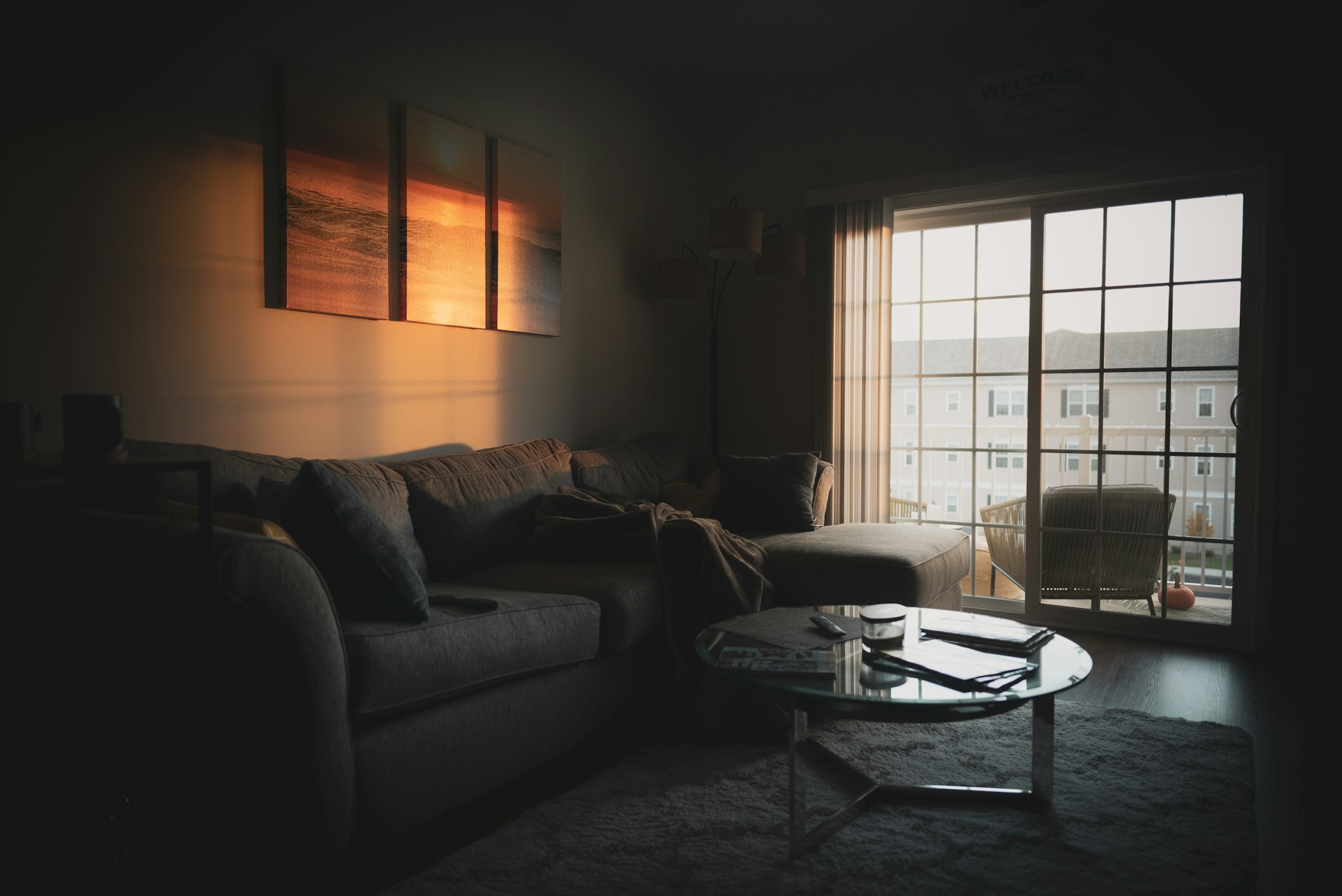
If you are planning to spend the holidays with family, take a long work assignment, or head to a second home for the winter, your Houston property faces risks a weekend trip never creates.
A house left empty for weeks gives burglars time to notice a dark porch, gives a small leak time to become a flooded floor, and gives Houston's heat and humidity time to breed mold behind closed doors. Hurricane season also runs through November 30, which means a long trip could overlap with a storm threat while you are hundreds of miles away.
Alarm Masters has spent more than 35 years helping Houston homeowners get ready for exactly this kind of absence. As a Texas-licensed security company, our team sees what happens when monitoring runs on autopilot, batteries go untested, or nobody updates emergency contacts before a long trip.
Get Your Alarm and Monitoring Ready for a Long Absence
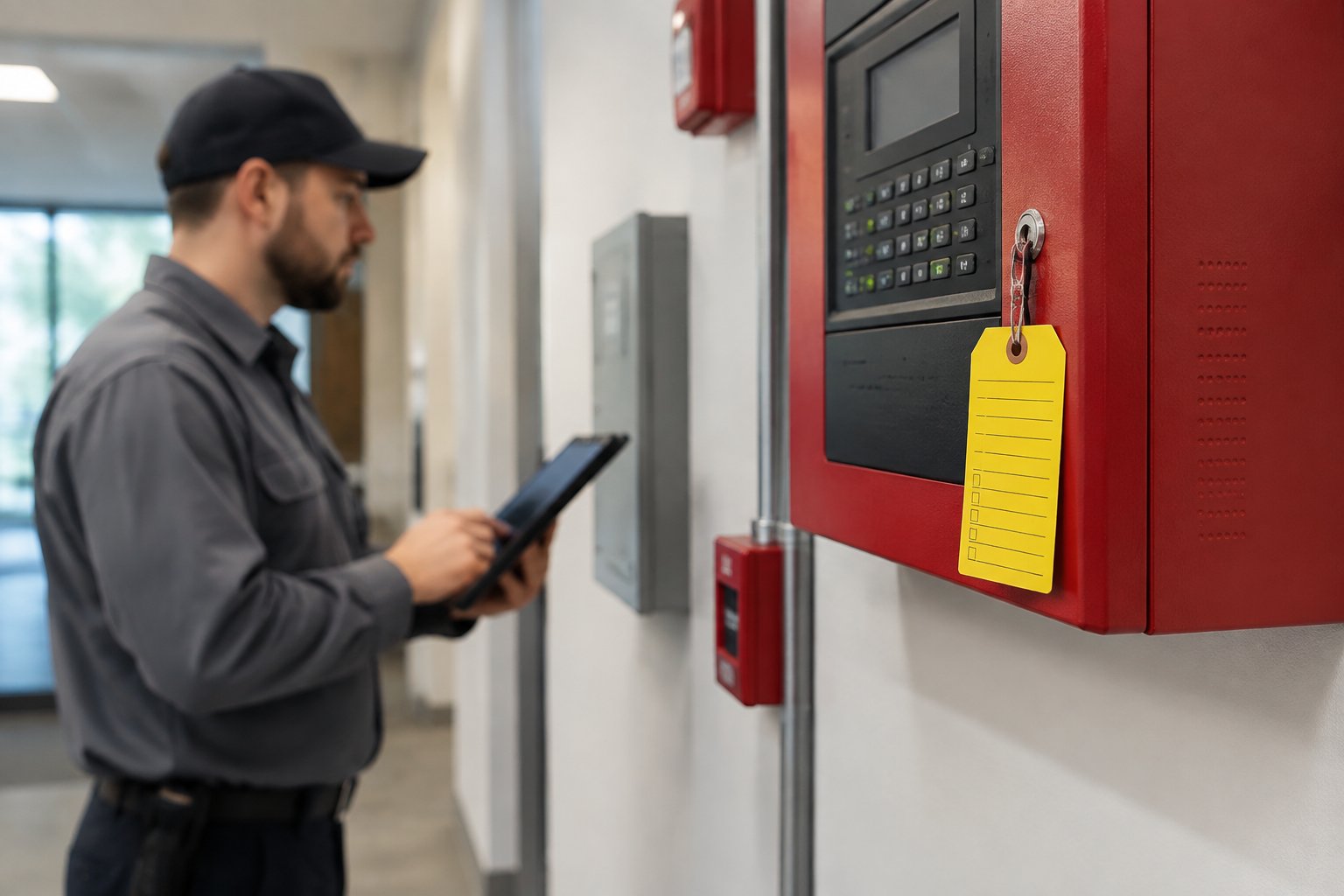
A working alarm system only protects your home if your monitoring company knows what to expect and your equipment can actually reach them. Before any extended trip, treat your alarm setup like a pre-flight check, not something you assume is fine.
What Should You Tell Your Monitoring Company Before You Leave?
Call your monitoring provider and update your account before you leave, not after something goes wrong. Give them your travel dates, a secondary phone number, and the name of anyone authorized to respond to your home in your place.
Confirm your emergency contact list is current, since an outdated list can delay a response by hours. Ask whether your provider offers a temporary vacation setting that adjusts how alerts are handled while you are away.
Test Backup Batteries and Cellular Communication
A system running on a weak backup battery can fail during the exact power outage it is supposed to protect against. Test your panel's battery backup and confirm your cellular communicator, the device that sends alarm signals over cell networks instead of a landline, has a strong signal.
Cellular communication matters because storms and outages regularly take down landlines and internet service across the Houston area. A system that relies only on Wi-Fi can go silent the moment your router loses power, so a cellular backup keeps signals moving.
Set Up Remote Camera Checks and a Plan for Alerts
Set your cameras to send motion alerts at entry points, not constant notifications for every passing car. Decide who checks those alerts daily, whether that is you from abroad or a trusted neighbor with app access.
- Confirm camera storage retains footage long enough to cover your entire trip
- Test that live video loads properly on a cellular connection, not just home Wi-Fi
- Share temporary app access with one trusted contact instead of several people
With your alarm and cameras confirmed, the next step is making sure the house itself sends the right signals to anyone watching from outside.
Make an Empty Home Look Lived In
An occupied-looking home discourages the casual break-in attempts that target obviously empty properties. This section covers the daily details that separate a house that looks watched from one that looks abandoned.
Hold Mail, Packages, and Recurring Deliveries
Stop mail and packages before you leave, since a stuffed mailbox or a stack of boxes on the porch is one of the clearest signs nobody is home. Set a mail hold through your local post office and pause any recurring deliveries like meal kits, dry cleaning, or lawn supply drop-offs.
Cancel or pause any subscription boxes timed to arrive during your trip window. If you expect one important delivery you cannot avoid, arrange for a neighbor to grab it the same day.
Schedule Lights and Arrange Yard Care
Set indoor lights on a randomized schedule rather than the same on-off time every night, since a repeating pattern is easy for someone watching the house to notice. Keep at least one exterior light working after dark and confirm motion-activated fixtures have fresh bulbs.
Arrange for lawn care to continue on its normal schedule for the length of your trip. An overgrown yard in Houston's growing season is one of the fastest ways a house starts to look neglected.
Choose a Trusted Person to Check the Property
Ask one trusted neighbor, friend, or family member to walk the property on a set schedule, rather than leaving it to a vague "check in sometime" arrangement. Give them a house key, your alarm code or a temporary one, and clear instructions on what to look for.
- A car parked in the driveway on trash day and moved back afterward
- Any standing water, unusual smells, or signs of pests near entry points
- Confirmation that doors, windows, and the garage stay locked
A trusted contact checking the outside is valuable, but the inside of your home has its own risks that need separate attention.
Protect Against Water Damage, Heat, and Humidity
Water damage from a small leak often does more financial harm during an extended absence than a break-in, simply because nobody catches it early. Houston's heat and humidity add another layer of risk that a locked, empty house cannot manage on its own.
Should You Shut Off the Water Before a Long Trip?
Shutting off your home's main water supply is the most reliable way to prevent leak damage while you are away for weeks. If nobody is stopping by to water plants or use appliances, there is little reason to leave the water running unattended.
If you need to keep water running for a pet sitter or irrigation system, weigh that convenience against the risk of an undetected leak spreading for days. A locksmith or plumber can walk you through shutting off the main valve if you have never done it before.
Use Leak Alerts and Check Vulnerable Plumbing
Install a leak detector near washing machines, water heaters, and under sinks if you plan to leave water running while you're away. These devices send a phone alert as soon as they detect moisture, often before visible damage appears.
Check flexible supply hoses on your washing machine and dishwasher before you leave, since these are common failure points in older connections. A slow drip behind an appliance can run for weeks unnoticed in a vacant home.
Set the Thermostat to Control Houston Heat and Humidity
Set your thermostat to hold a stable temperature rather than shutting your air conditioning off completely, since Houston's summer humidity encourages mold growth in a warm, closed house. A consistent setting protects both your HVAC system and your belongings.
Balancing temperature and humidity protects both comfort and the property itself, since high humidity encourages mold growth and heat strains cooling systems left unattended for weeks. Leaving interior doors open helps air circulate evenly through closed-up rooms.
Once you've set your plumbing and climate controls, the final step is planning for Houston's most predictable seasonal threat.
Prepare for Houston Storms and a Longer Vacancy
Hurricane season runs through November 30, so any extended trip during these months needs a storm plan built in from the start. Preparing before you leave means you are not scrambling to respond from another state or country.
Make a Hurricane-Season Response Plan
Build your storm plan around who can act on your behalf if a hurricane threatens Houston while you are traveling. Give a trusted contact a copy of your insurance policy, your agent's phone number, and instructions for securing loose yard items.
The Texas Department of Insurance recommends making a home inventory with photos or video of each room and a record of serial numbers and purchase dates for major items before a storm season begins, since this documentation speeds up any future claim. Clear gutters and trim overhanging branches before you go, since unchecked storm debris adds risk during high winds.
Check Your Homeowners Policy for Vacancy Requirements
Review your homeowners policy for vacancy clauses before an extended trip, since some policies change coverage terms once a home is considered unoccupied for a set period. Call your insurance agent directly if the policy language is unclear.
Ask specifically whether storm or water damage coverage changes during an extended absence and whether a rider or endorsement is available. This single phone call before you leave can prevent a denied claim after you return.
Complete a Final Lockup and Emergency-Contact Check
Do a final walkthrough the day you leave to confirm every door, window, and garage entry is locked and your alarm is armed. Check that your trusted contact has your travel dates, a way to reach you, and your alarm company's number.
- Confirm your monitoring company has your updated travel dates on file
- Verify your trusted contact's phone number and access codes are current
- Walk the exterior once more for anything left unsecured near doors or windows
With your storm plan, insurance check, and final lockup complete, you are ready to leave with confidence instead of lingering doubt.
Leave With a Plan for Your Home
Protecting a Houston home during an extended trip comes down to layering four things: working alarm and monitoring coverage, an occupied appearance, water and climate control, and a storm plan built around hurricane season. None of these steps require expensive equipment, just attention before you lock the door.
A written checklist, even a simple one on your phone, keeps you from relying on memory the morning of a flight. Walk through water shutoff, thermostat settings, lighting schedules, and your trusted contact's instructions one more time before you leave.
A monitored alarm system with cellular backup, paired with a trusted contact checking the property, gives Houston homeowners the most reliable protection during a long absence.
Ready to find out what your property actually needs? Request a free estimate from Alarm Masters, and our licensed team will walk you through every option, including 24/7 professional monitoring built for homeowners who travel.
Frequently Asked Questions
Should I Tell My Alarm Monitoring Company I'll Be Away for Several Weeks?
Yes, call your monitoring provider before you leave and update your travel dates and emergency contacts. This keeps your account current so a false alarm or real event gets routed to the right person quickly.
How Often Should Someone Check My House During an Extended Trip?
A trusted contact should check your property on a regular schedule, ideally every few days, rather than a single visit mid-trip. Frequent checks catch small problems like a leak or a loose door lock before they become expensive.
Should I Turn Off My Water Before Leaving Home for a Month?
Shutting off the main water valve is the most reliable way to prevent leak damage during a long absence. If you need water running for pets or plants, install leak detectors near appliances and plumbing connections instead.
What Thermostat Setting Helps Protect a Vacant Houston Home From Humidity?
Hold a stable, moderate temperature rather than turning the air conditioning off completely, since Houston humidity encourages mold in a closed, warm house. A consistent setting also reduces strain on your HVAC system over a long absence.
What Should I Do if a Hurricane Threatens Houston While I'm Away?
Contact your trusted property contact immediately and confirm they can secure loose yard items and check for storm damage. Review your insurance policy's vacancy terms in advance and keep your agent's number on hand before you travel.



.svg)


.svg)