.svg)
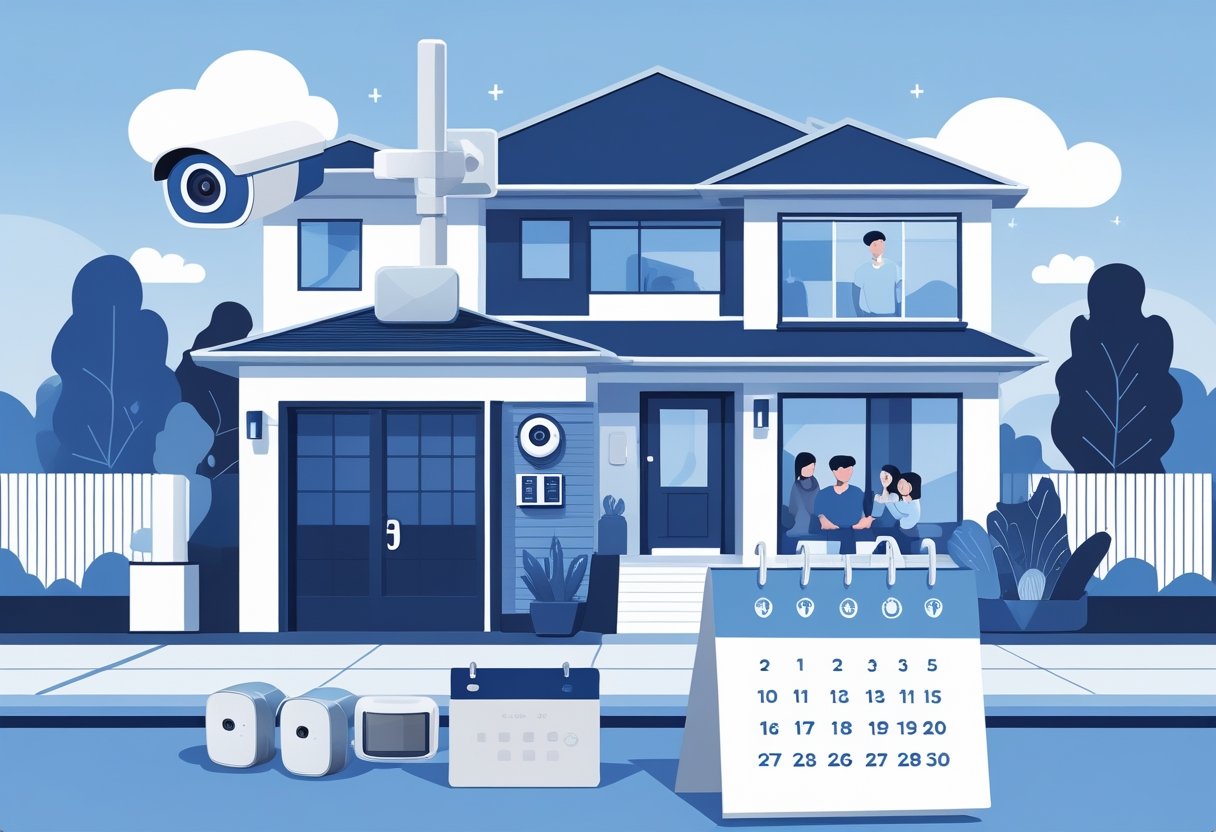
When considering the safety of your home, understanding the costs associated with a home security system is crucial. You can expect to pay around $35 per month for professional monitoring services. Factors such as the type of system, monitoring level, and additional features can influence this cost, making it essential to evaluate your specific needs.
Investing in a home security system not only protects your property but can also lead to savings on homeowners insurance and reduce the risk of loss. Many homeowners are surprised to find out that systems can start as low as $10 monthly for basic monitoring services, while comprehensive packages with advanced features might cost upwards of $100 monthly.
In the greater Houston area, various options cater to different budgets and security needs. By exploring the available packages, you can find a solution that offers peace of mind without breaking the bank.
Monthly Cost Breakdown for Home Security
Understanding the costs associated with a home security system is crucial for making informed decisions. This section explores the various monthly fees, including monitoring options and equipment financing.
Average Monthly Fees for Home Security Systems
The average monthly fee for home security systems generally ranges from $30 to $60. This fee typically covers professional monitoring services, where trained agents keep an eye on your system 24/7. Some systems may offer basic monitoring for as low as $9.99 per month, while others could reach upwards of $100 monthly for premium services that include advanced features.
Consider the specifics of what each package includes. For instance, some might offer video surveillance, while others focus solely on alarm systems. It’s essential to evaluate your needs to determine which plan provides the best value for your situation.
Professional Monitoring vs. Self-Monitoring Costs
When choosing between professional monitoring and self-monitoring, cost differences can be significant. Professional monitoring services typically carry a monthly charge, ranging from $25 to $100 depending on the complexity of the system and included features. This option offers peace of mind, as trained personnel respond to alarms.
In contrast, self-monitoring often incurs lower costs. You may only pay for your equipment and services related to any apps or software you use, which can average around $10 to $30 per month. While self-monitoring can be more economical, it requires your active participation to respond to alerts, which may not be ideal for everyone.
Monthly Payments for Financed Security Equipment
If you decide to finance your security equipment, be prepared for additional monthly payments. The upfront costs of a home security system can range from $199 to $900 or more, depending on the equipment you select. Monthly payments for financed systems typically range from $20 to $50, depending on the financing terms.
In some cases, these payments might be bundled into your overall monitoring fees. It's vital to read the terms carefully, ensuring you understand all expenses included in your monthly bill. This breakdown will help you budget effectively while securing your home in the Houston area.
Key Factors That Impact Monthly Home Security Costs
Your monthly home security costs can vary based on a variety of factors. Understanding these can help you make an informed decision tailored to your needs.
Equipment Packages and Required Hardware
The type of equipment you choose plays a crucial role in your monthly security fees. Basic packages often include essential devices, such as security cameras and motion sensors, which can cost you around $20 to $50 per month.
Upgrading to more advanced packages with additional features, like video doorbells, glass break sensors, or smart home devices, will increase your monthly costs. Most providers also offer financing options for hardware, meaning your monthly bill may reflect these costs. Investing in quality hardware enhances your home’s security but comes with a price, so assess your needs carefully.
Types of Sensors and Smart Devices
Different sensors and smart devices can significantly affect your monitoring costs. For instance, installing window sensors or smoke detectors may involve additional monthly fees. Motion sensors and glass break sensors offer enhanced protection but also add to your expenses.
Smart home integrations can streamline your system but can lead to higher costs. Devices that connect to your existing smart home products usually require a higher tier of service. Balancing functionality and cost is essential in choosing the right devices for your household.
Contract Terms and Flexible Plans
The length and terms of your contract can heavily influence your monthly costs. Many providers in the greater Houston area offer standard contracts that typically last between 24 to 36 months, impacting your monthly payment structure.
Moreover, some companies provide flexible plans that allow you to adjust or upgrade services as needed, which may incur additional fees. Pay attention to contract details since shorter contracts may have higher monthly rates to offset subsidized equipment costs. Always review terms for potential hidden fees related to early termination or service changes.
DIY vs Professional Home Security Options
When considering home security, you have two main paths: DIY systems and professionally installed options. Each has its unique benefits and challenges, particularly concerning costs and installation methods.
Cost Advantages of DIY Security Systems
Choosing a DIY home security system can lead to significant cost savings. Most DIY kits come with all necessary components and step-by-step guides, often allowing you to skip professional installation fees that can range from $100 to $1,000, depending on the complexity.
Many DIY systems allow for self-monitoring as well, which can cut monthly fees. While some companies charge a monitoring fee, many kits offer no-contract options, keeping your expenses lower. This flexibility can help you customize a security solution that fits within your monthly budget.
Professional Installation and Associated Fees
Opting for professional installation offers convenience and peace of mind. Professionals handle everything from setup to configuration, ensuring your system runs optimally. However, this service comes at a cost. Installation fees can typically range from $100 to $500 but may exceed $1,000 for wired systems in larger houses.
Additionally, professionally installed systems often include ongoing monitoring, which can elevate your monthly costs. These systems may also require commitments that could lock you into contracts, often lasting one to three years, which could be a hassle if you want to change providers.
Pros and Cons of Subscription vs. No-Contract Models
Subscription plans often accompany professionally installed systems, providing the advantages of 24/7 monitoring services. While these subscriptions can enhance security, they add to your monthly expenses, often reaching $30 to $60 depending on the service level.
Conversely, DIY systems frequently have no-contract options. This might reduce monthly costs but often requires more involvement from you to effectively monitor your home. Weighing these pros and cons is essential to determine what type of model fits your lifestyle and budget best.
Consider your personal needs and preferences when selecting between a DIY solution and professional installation.
How to Maximize Value and Savings on Monthly Security Costs
Managing monthly security costs requires a strategic approach. By utilizing available discounts, understanding how to leverage insurance savings, and optimizing your security system with additional features, you can significantly enhance your overall value.
Bundling and Discounts
Many security companies offer bundled packages that can reduce your monthly monitoring fees. When you combine services such as home security, video surveillance, and smart home products, these bundles often result in substantial savings.
Consider reaching out to your provider to inquire about any promotional discounts. For instance, signing a long-term contract may yield a lower monthly rate. Additionally, look for seasonal promotions or referral bonuses that some companies provide.
Always compare plans from different providers. You might discover better options that include added features without a heavy cost.
Insurance Savings and Added Value
Installing a security system can lead to discounts on your homeowner's insurance policy. Depending on your insurer, such discounts can range from 5% to 20%.
To maximize these savings, inform your insurance company about your security setup. Provide them with details about your system, including any smart home products that enhance security.
Inquire if your provider offers a specific discount for monitored alarm systems. This proactive approach ensures you gain maximum value from both your security investment and your insurance policy.
Upgrading with Additional Features and Devices
Investing in additional features can further optimize your security system's efficiency. For example, smart locks, advanced cameras, and environmental sensors can enhance detection and prevention capabilities without significantly increasing your monthly fee.
When considering upgrades, look for devices that integrate seamlessly with your existing system. This compatibility can help keep installation costs down and ensure you maintain your current monitoring plan.
Research available options and choose upgrades that best fit your lifestyle and budget. Effective upgrades not only bolster security but can also contribute to long-term savings.
Frequently Asked Questions
When considering the monthly costs associated with home security, there are several important aspects to explore. These include average pricing, additional fees, installation costs, and how various features may impact your total expenses.
What is the average monthly cost for a home security system?
The average monthly cost for a home security system typically ranges from $20 to $60. Professional monitoring services usually fall within this range, depending on the provider and specific features offered.
Can I expect additional fees beyond the basic monthly service for home security?
Yes, additional fees may apply beyond the basic monthly service. These can include activation or cancellation fees, as well as charging for specialized services like video storage or advanced monitoring options.
What price range should I consider for a quality home security service?
When looking for a quality home security service, you should aim for monthly fees between $30 and $50. This range often provides comprehensive services that include professional monitoring and various system features.
Do home security service costs typically include installation and equipment?
Installation and equipment costs are generally not included in the monthly service fees. You may encounter upfront costs for physical equipment and installation, which can vary by provider.
How do the features of a home security system affect the monthly expense?
The features of your home security system can significantly affect monthly expenses. Advanced features such as home automation, video surveillance, and environmental monitoring can lead to higher fees.
Is it possible to reduce home security monthly fees without compromising safety?
You can reduce your monthly fees by opting for a basic package that meets your essential security needs. Additionally, consider annual payment options or promotions that some providers offer to save on costs while maintaining safety.



.svg)


.svg)