.svg)
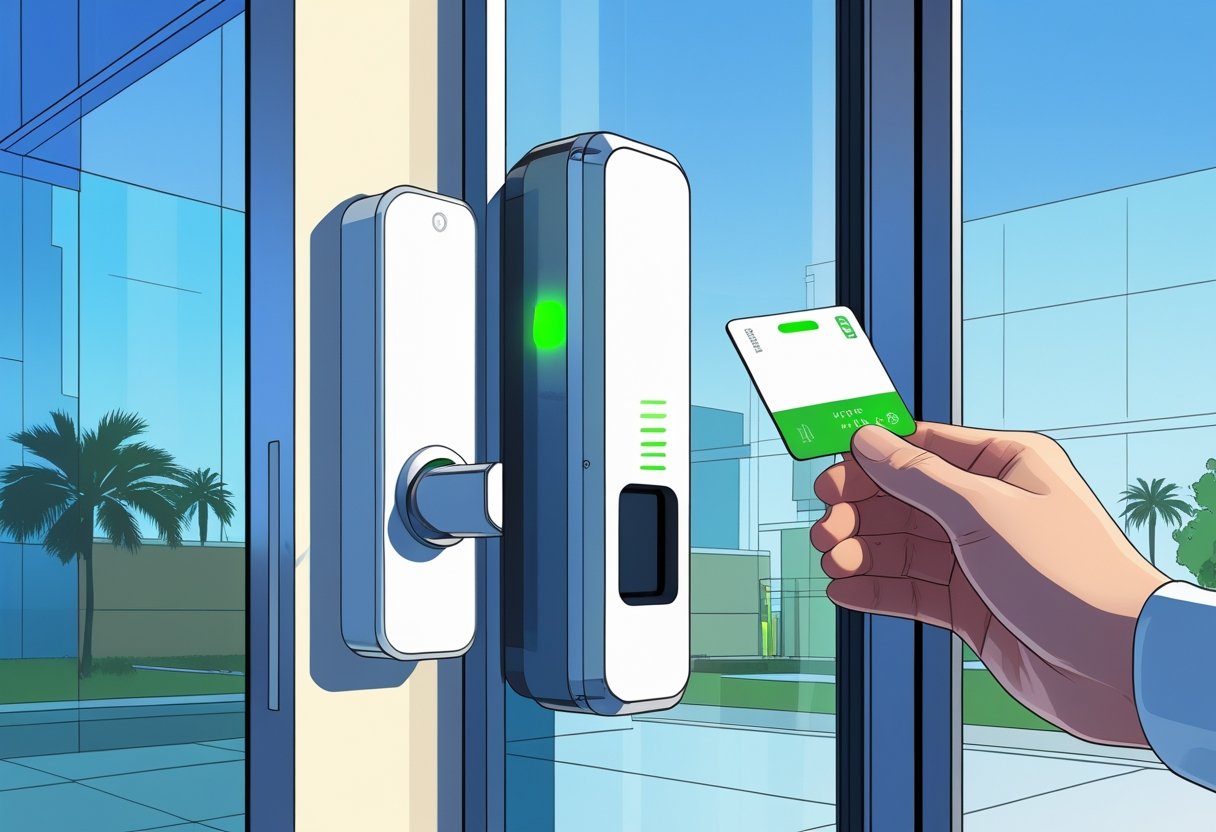
Businesses in Houston are constantly seeking effective ways to enhance security while streamlining access for employees and visitors. A Houston key card entry system is an ideal solution, providing both advanced security and convenience. These systems allow you to control who enters your premises, minimizing the risk of unauthorized access.
With various options available, including systems that utilize biometric recognition or key cards, you can tailor the access control solutions to fit your specific needs. Implementing a key card entry system offers a modern approach to managing entry points and can significantly improve the efficiency of your operations.
Choosing to invest in a key card entry system not only upgrades your security measures but also saves you time and resources. As the landscape of business security evolves, adopting this technology ensures that your Houston-based company stays ahead of potential threats while simplifying everyday access management.
Fundamentals of Key Card Entry Systems for Houston Businesses
Key card entry systems are critical for enhancing security and operational efficiency in your Houston business. Understanding how these systems function and their benefits can significantly impact your access control strategy.
What Is a Key Card Entry System
A key card entry system is an electronic access control solution that allows users to gain entry into secured areas using a card instead of traditional keys. These systems typically involve key cards or fobs programmed with specific access permissions.
In a commercial setting, these systems help manage who can access certain areas within a building. They are often integrated with a broader security infrastructure, ensuring a streamlined approach to access management. For businesses in Houston, local providers specialize in customizable solutions tailored to meet your specific entry needs.
How Key Card Entry Systems Work
Key card entry systems operate through a combination of hardware and software. Users present their key cards to a card reader installed at entry points. The reader scans the card and sends the data to a central access control unit.
This unit verifies the user's credentials against a stored database. If the card is valid, the system unlocks the door, allowing entry. Many systems support various credentials beyond standard cards, including mobile devices for a more flexible experience. In Houston, options for cloud-based and on-premises solutions are readily available.
Key Benefits for Houston Businesses
Implementing key card entry systems offers several advantages for your business in Houston:
- Enhanced Security: These systems minimize unauthorized access, allowing only approved personnel to enter secured areas.
- Detailed Monitoring: You can track entry and exit logs, making it easier to monitor who is accessing your facilities.
- Scalability: As your business grows, these systems can be easily expanded to accommodate more users and access points without major overhauls.
- Cost Efficiency: In the long run, they reduce the need for physical keys, which can be costly to replace and manage.
By choosing a key card entry system that meets your specific needs, you ensure a safer and more efficient operational environment.
Types and Technologies of Key Card Entry Systems
Understanding the various types and technologies of key card entry systems can help you choose the best solution for your business in Houston. Each system offers distinct advantages, catering to different security needs and access requirements.
Magnetic Stripe Card Systems
Magnetic stripe card systems are among the most commonly used access control technologies. These cards contain a magnetic strip that stores encoded information. When swiped through a card reader, the system verifies the data to grant or deny access.
These systems are affordable and easy to implement. They work well for managing access to multiple entry points in a building. However, the major drawback is that magnetic stripe cards can be easily duplicated or damaged, which poses security risks.
Proximity and RFID Card Systems
Proximity and RFID (Radio Frequency Identification) card systems offer advanced functionality. These systems utilize cards embedded with RFID chips, allowing users to gain access by simply holding the card near a reader. This contactless feature enhances convenience and speeds up the entry process.
They provide higher security compared to magnetic stripe systems, as they are more difficult to clone. Proximity systems can seamlessly integrate with other security measures, making them ideal for businesses that prioritize safety. Additionally, these systems can manage various access levels effectively.
Smart Card and NFC Solutions
Smart cards utilize embedded microchips that offer more sophisticated security features. These cards can encrypt data and are capable of two-way communication with card readers. As a result, they enable enhanced data protection and user authentication.
Near Field Communication (NFC) technology is often integrated into smart cards, facilitating interaction with smartphones and other devices. This capability allows you to manage access control through mobile applications, providing flexibility for users. Smart cards are ideal if you seek a higher level of security in your Houston business.
Biometric Integration Options
Biometric integration systems enhance security by using unique physical traits, such as fingerprints or facial recognition, for access control. By combining biometric scanners with key card entry, you can create a dual-factor authentication system. This significantly reduces the risk of unauthorized access.
These systems are particularly useful for high-security areas, as they ensure that only registered personnel are allowed entry. While initial costs may be higher, the return on investment can be significant due to the enhanced security and reduced likelihood of breaches. Integrating biometric solutions with your access control system can greatly elevate your overall security strategy.
Designing and Installing Access Control Infrastructure
Creating an effective access control infrastructure involves careful assessment, choosing the right hardware, integrating with existing security systems, and ensuring compliance with local regulations. This process is essential for protecting your business and managing access efficiently.
Assessment and Planning for Houston Facilities
Before installation, a thorough assessment of your facility is crucial. Begin by identifying all entry points, including doors and gates that require access control. Evaluate the risk levels associated with each entry point based on their sensitivity and usage frequency.
Engage with access control installers who understand the specific security threats prevalent in the Houston area. They can conduct a detailed security audit to determine the most effective strategies for managing access.
Consider the flow of people and traffic patterns in your building. This helps in planning where to place key card readers and ensuring that they are accessible yet secure. Proper planning lays the groundwork for a robust access control system.
Selecting the Right Access Control Hardware
Choosing the correct hardware is vital for an effective access control solution. Key components include key card readers, access control panels, and locking mechanisms. Select equipment that fits your specific needs, whether you require proximity readers or biometric systems.
Consider scalability when selecting hardware. Your business may grow or change, and the system should be adaptable to new security needs or expansions. It's also essential to choose equipment that is compatible with existing technology.
Consult with vendors who specialize in access control solutions for the Houston area to ensure that you are getting quality products. They can provide insights on the latest technologies that enhance security while remaining user-friendly.
Integrating Key Card Systems with Existing Security
If you already have a security system in place, integration is key to a seamless transition. Look for access control solutions that can easily connect with your current surveillance cameras and alarm systems.
Collaboration between your key card system and existing security infrastructure can provide real-time monitoring and alerts. This integration will enhance your facility's protection and allow for easier management of access control.
Ensure that all software is up-to-date and supported by your existing systems. A properly integrated access control system provides a cohesive security strategy that enhances your facility's overall safety.
Compliance and Permitting in Houston
Compliance with local laws and regulations is essential when designing your access control infrastructure. Before installation, research any specific requirements related to security systems in Houston.
Permitting may be necessary, especially for systems that require modifications to building entry points. Working with professional installers ensures that you meet all legal obligations, avoiding potential fines and ensuring the safety of your facility.
Always stay informed about updates to local codes. Engaging legal advisors or compliance officers familiar with Houston's regulations can help streamline this process and keep your system compliant.
Management and Maintenance of Key Card Entry Systems
Effective management and maintenance of key card entry systems are crucial for ensuring security, user satisfaction, and operational efficiency. Focused strategies in user management, system monitoring, and ongoing support will enhance the performance of your access control systems.
Credential Issuance and User Management
When implementing a key card entry system, you must establish a clear process for credential issuance. This begins with verifying the identity of employees and assigning access levels based on their roles.
You could adopt a systematic approach for issuing credentials by utilizing a centralized database. This database allows for tracking who has access to which areas and updating permissions as necessary. At the same time, consider regular training sessions for your staff on security protocols and compliance. Establish a process for revoking credentials promptly when employees change roles or leave the organization.
System Monitoring and Access Logging
Ongoing system monitoring is essential to ensure your key card entry system functions smoothly. You should regularly review access logs to identify any unauthorized attempts or unusual patterns.
Using advanced software can help you automate this monitoring process. For example, real-time alerts can notify you of suspicious activities. Implementing analytics tools will also allow you to evaluate access trends, enabling better decision-making regarding security measures. Ensure logs are stored securely while remaining easily accessible for audits and compliance checks.
Ongoing Maintenance and Support
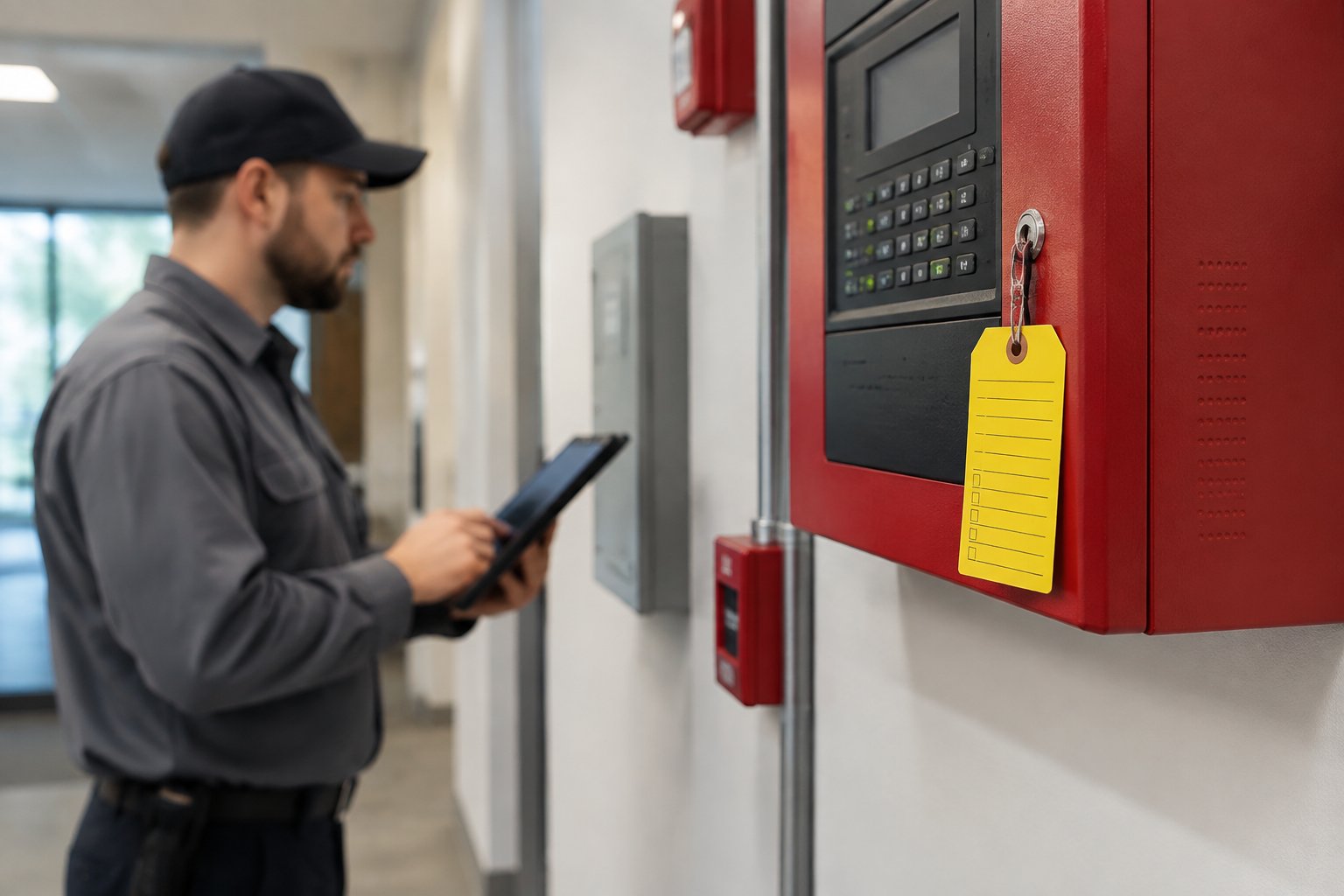
Regular maintenance is critical for the longevity of your key card entry system. Schedule periodic checks to ensure all hardware and software components are functioning optimally. This can include inspecting card readers, updating software, and testing for any vulnerabilities.
Establish a relationship with a reliable local service provider in Houston for technical support. They can assist with urgent repairs or system upgrades as technology evolves. Document all maintenance activities to maintain a clear history of system performance and updates. This documentation can help in planning future enhancements.
Cost Considerations and Scalability for Houston Businesses
When evaluating a key card entry system, it's essential to consider both the initial costs and the potential for future scalability. These aspects directly impact your decision-making and budgeting.
Initial Investment and Installation Costs
The initial costs of commercial access control systems can vary significantly. Factors such as the complexity of the system, number of doors, and features you choose will influence your total investment.
On average, expect to pay between $1,500 and $3,500 per door for installation. This includes hardware, software, and labor costs. Providers in Houston may charge varying rates, so obtaining multiple quotes is advisable.
Additionally, installation typically involves not only the physical setup but also configuration to ensure smooth operation. Don’t forget to account for ongoing maintenance, as this is crucial for ensuring long-term functionality.
Expanding Systems as Businesses Grow
As your Houston business expands, so too can your key card entry system. Many modern solutions offer scalability, allowing you to add doors and user access without major overhauls.
Scalable systems facilitate seamless integration of new components, such as mobile access or advanced security features. This flexibility can save you time and money in the long run.
Consider also that some systems provide cloud-based management, allowing remote control and oversight. This can be particularly advantageous for businesses that operate irregular hours or across multiple sites.
Long-Term Value and ROI
Investing in a robust access control system can yield significant long-term value. Besides enhancing security, these systems improve operational efficiency.
You can expect a return on investment through reduced theft, improved employee productivity, and streamlined access management. Many businesses see a ROI within 2 to 3 years when implemented effectively.
Moreover, integrating advanced features, like real-time monitoring and mobile credentials, further enhances your system's value. As your needs evolve, these options can be tailored, ensuring that your investment remains relevant and effective for years to come.
Frequently Asked Questions
Key card entry systems are becoming increasingly popular among businesses in Houston due to their myriad benefits. Understanding these systems can help you make informed decisions regarding security and access control for your organization.
What are the main benefits of using key card entry systems for businesses?
Key card entry systems offer enhanced security by limiting access to authorized personnel only. They provide flexibility in managing access rights, enabling you to easily grant or revoke permissions as needed.
Cost-effectiveness is another advantage, as these systems can reduce the need for physical keys and the associated rekeying costs. Additionally, they offer convenience with detailed access logs, which can help in monitoring facility usage.
How does a key card access control system enhance security compared to traditional locks?
Key card systems provide greater security than traditional locks by using electronic access rather than physical keys. This makes it difficult for unauthorized individuals to gain entry.
Moreover, key card systems often include features such as time-restricted access and the ability to track entry and exit. This level of control is not achievable with standard locks and can deter unauthorized access effectively.
Can key card systems be integrated with other security features in a business environment?
Yes, key card entry systems can often be integrated with various other security features. This includes video surveillance systems and alarm systems, providing a comprehensive security solution.
Integration allows for streamlined management of security protocols, enabling you to oversee multiple systems through a single interface. This level of coordination enhances your overall security posture.
What are the cost implications of installing a key card entry system in an office building?
The initial installation costs of a key card entry system can vary, influenced by the complexity and scale of the system. While upfront costs might be significant, consider the long-term savings and reduced rekeying expenses.
You may also encounter ongoing costs for maintenance and software updates. However, the investment is often justified by the enhanced security and operational efficiency these systems provide.
How simple is it for employees to use and carry key cards for day-to-day business operations?
Using key cards is generally straightforward for employees. Most systems operate with a simple swipe or tap, making access quick and efficient.
Key cards are typically lightweight and easy to carry, fitting comfortably in wallets or on lanyards. This convenience can improve the user experience and encourage compliance with security protocols.
What steps should businesses take to maintain the security integrity of a key card entry system?
To maintain the security integrity of your key card system, regularly audit access permissions to ensure they reflect current employee roles.
Additionally, it is crucial to monitor system logs for any unauthorized access attempts. Routine maintenance checks on hardware and software updates will also help mitigate potential vulnerabilities.



.svg)


.svg)