.svg)
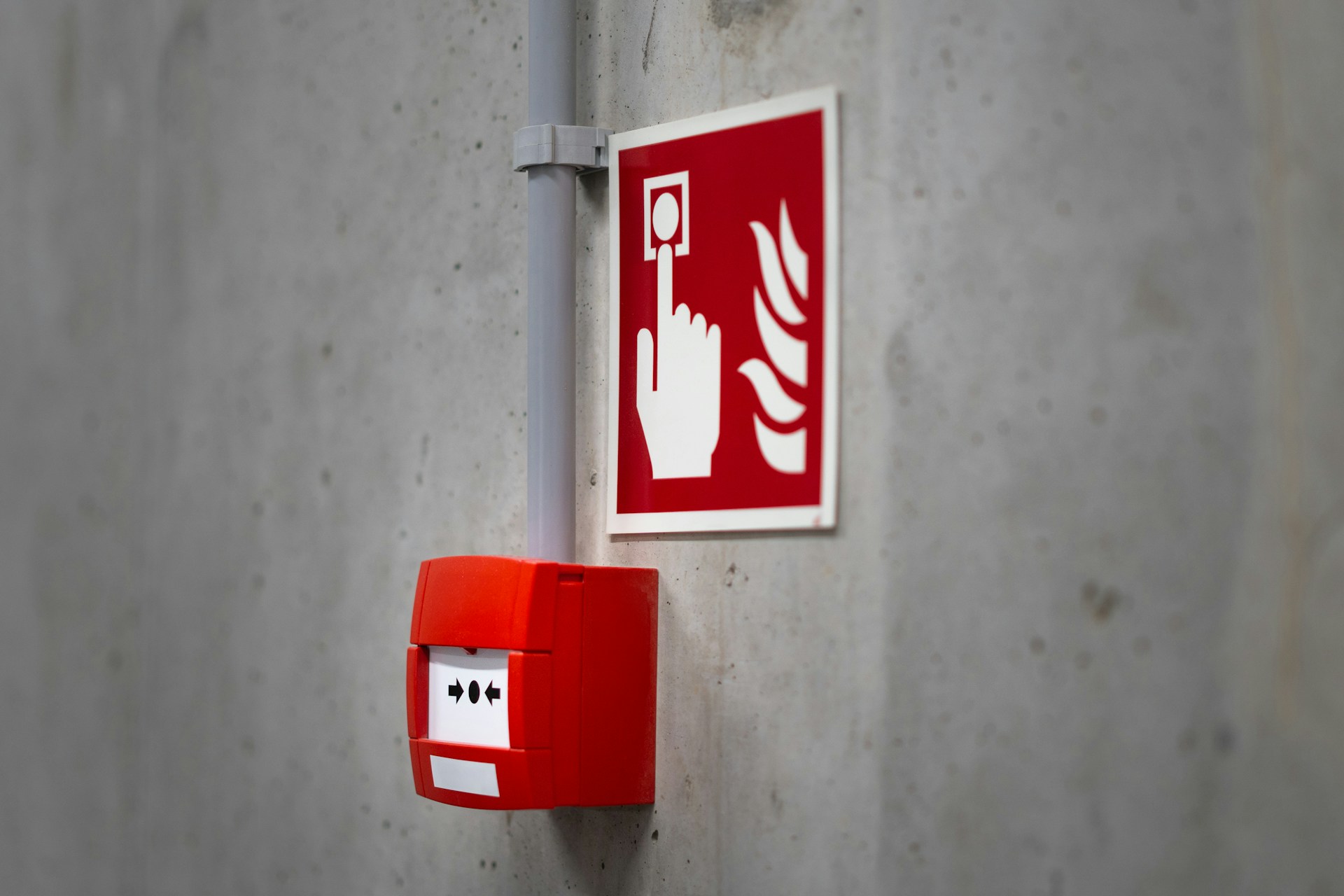
If you are opening a restaurant in Texas or renovating a kitchen, a failed fire marshal inspection can delay your opening date for weeks. Many owners assume the suppression system above the fryer covers all their fire protection needs. It does not, and that gap is one of the most common reasons Texas restaurants fail their first inspection.
A code-compliant fire alarm system for restaurant properties in Texas requires two separate systems working together, not one device covering the whole building.
In this guide, you will discover how fire alarms and kitchen suppression differ, what Texas code expects at each stage of construction, and how to keep your restaurant ready long after opening day.
Separate Fire Alarms From Kitchen Suppression
A hood suppression system and a building fire alarm system protect your restaurant in two different ways, and Texas code requires both.
Confusing the two is the fastest way to fail an inspection. Fire protection for a restaurant is not one product. It is a coordinated set of systems, each governed by its own rulebook, each inspected on its own schedule.
What NFPA 72 Covers in a Restaurant
NFPA 72 is the national code for fire alarm systems, written by the National Fire Protection Association (NFPA). It governs how smoke and heat detectors, pull stations, and notification devices work throughout your building's fire alarm system.
This code applies to the dining room, restrooms, offices, storage areas, and hallways, not just the kitchen. It sets rules for detector spacing, alarm sound levels, and how systems connect to a monitoring station.
What NFPA 96 Covers Above Cooking Equipment
NFPA 96 governs ventilation and fire protection for commercial cooking operations. It is a separate standard from NFPA 72, and it focuses only on the hood, ducts, and suppression system above your cooking line.
Any fryer, griddle, range, or broiler under a grease-producing hood needs a listed suppression system under NFPA 96. This wet chemical system, often called an Ansul or Range Guard system, douses grease fires and cools surfaces to stop re-ignition.
How Hood Suppression and Fire Alarms Work Together
The suppression system and the building fire alarm must communicate, and that connection is where many Houston-area restaurants get cited. When the hood system discharges, three things must happen automatically:
- The gas supply to cooking equipment shuts off through a mechanical or electric valve
- The exhaust and makeup air fans de-energize to stop the fire from spreading
- A signal transmits to the fire alarm panel, triggering building-wide horns and strobes
This relay connection is often missed when a restaurant replaces its hood system without reconnecting it to the alarm panel. Getting the connection right during design sets up everything you will need for coverage across the rest of the building.
Design Coverage for the Kitchen, Dining Room, and Back of House
Standard smoke detectors placed above a fryer will trigger false alarms within days, which is why kitchen design differs from every other zone in your building.
A commercial fire alarm system for a restaurant needs different devices in different rooms. Cooking vapors, steam, and grease smoke behave nothing like the clean air in a dining room or office, so a single detector type will not work everywhere.
Choose the Right Detectors for Each Zone
Heat detectors, not smoke detectors, belong directly above cooking equipment. They respond to a rise in temperature rather than airborne particles, avoiding nuisance alarms from normal cooking activity.
Smoke detectors still make sense in the dining room, storage rooms, and office areas where steam and grease are not a daily factor. Duct smoke detectors also belong in the HVAC path to catch smoke moving through the ventilation system before it spreads.
Provide Clear Alerts and Manual Activation
Manual pull stations must sit at every exit, including back-of-house doors near the kitchen. Staff moving fast during a fire need a device they can reach without thinking twice.
Notification devices, the horns and strobes that alert people to evacuate, face a real challenge in a loud kitchen. Equipment noise from exhaust fans and fryers can bury a standard alarm tone, so devices in kitchen zones often need higher sound output than what a quiet office requires.
Protect Storage, Offices, and Mixed-Use Areas
Dry storage rooms, walk-in coolers, and offices carry their own risks, especially where cleaning chemicals or flammable materials sit on a shelf. These areas still fall under the same building-wide fire alarm system, but they have different detector needs than the cooking line.
Restaurants in strip malls or mixed-use buildings add another layer, since shared walls and shared exits mean your system must account for neighboring occupancies too. Once your detector layout is set, the next step is confirming it matches what Texas actually requires before construction begins.
Meet Texas Requirements Before You Build or Remodel
Texas restaurant occupant load, not just square footage, is what typically decides whether a building-wide fire alarm system is required. Restaurants with an occupant load of 50 or more are generally classified as Assembly occupancies, which triggers stricter fire alarm rules under the state fire code.
Even smaller restaurants often must have a monitored fire alarm system if they have a sprinkler system or if the local fire marshal's office sets that as the local standard. Requirements can vary by city and county, so what applies in Houston may differ slightly from Austin or San Antonio.
Start With a Site Walk and Code-Based System Design
A site walk before design work begins prevents costly rework later. A licensed fire alarm contractor reviews your floor plan, kitchen layout, occupant load, and construction type to map out exactly what code requires through code-based system design.
This walk also identifies where your hood suppression system will tie into the fire alarm panel, since that connection has to be planned before installation, not added after the fact.
Prepare for Plan Review and Permitting
Your fire alarm design has to pass plan review with the local Authority Having Jurisdiction, the agency responsible for enforcing fire code in your city or county. In the Houston area, that often means coordination with the Harris County Fire Marshal's Office or the local fire prevention bureau.
Plan review typically checks:
- Detector type and placement against occupancy classification
- Notification device coverage and sound levels
- The interface between hood suppression and the fire alarm panel
- Monitoring connection details for the central station
Coordinate Fire Alarms With Sprinklers and Other Systems
If your building has fire sprinklers, your fire alarm system needs to monitor them too, reporting water flow and valve tamper conditions to the panel. A licensed fire alarm contractor coordinates this so your systems work as one package, not separate, disconnected pieces.
Permitting is a milestone, not a finish line. Once your system is installed and approved, the real work of keeping it ready every single day begins.
Keep the System Ready After the Restaurant Opens
A fire alarm that passed inspection on opening day can still fail two years later if testing and service lapse, and that lapse is what fire marshals cite most often. Ongoing readiness is a routine, not a one-time event.
Restaurants that skip scheduled service tend to discover problems at the worst possible time, during a surprise inspection or, far worse, during an actual fire.
Arrange Inspection, Testing, and Prompt Repairs
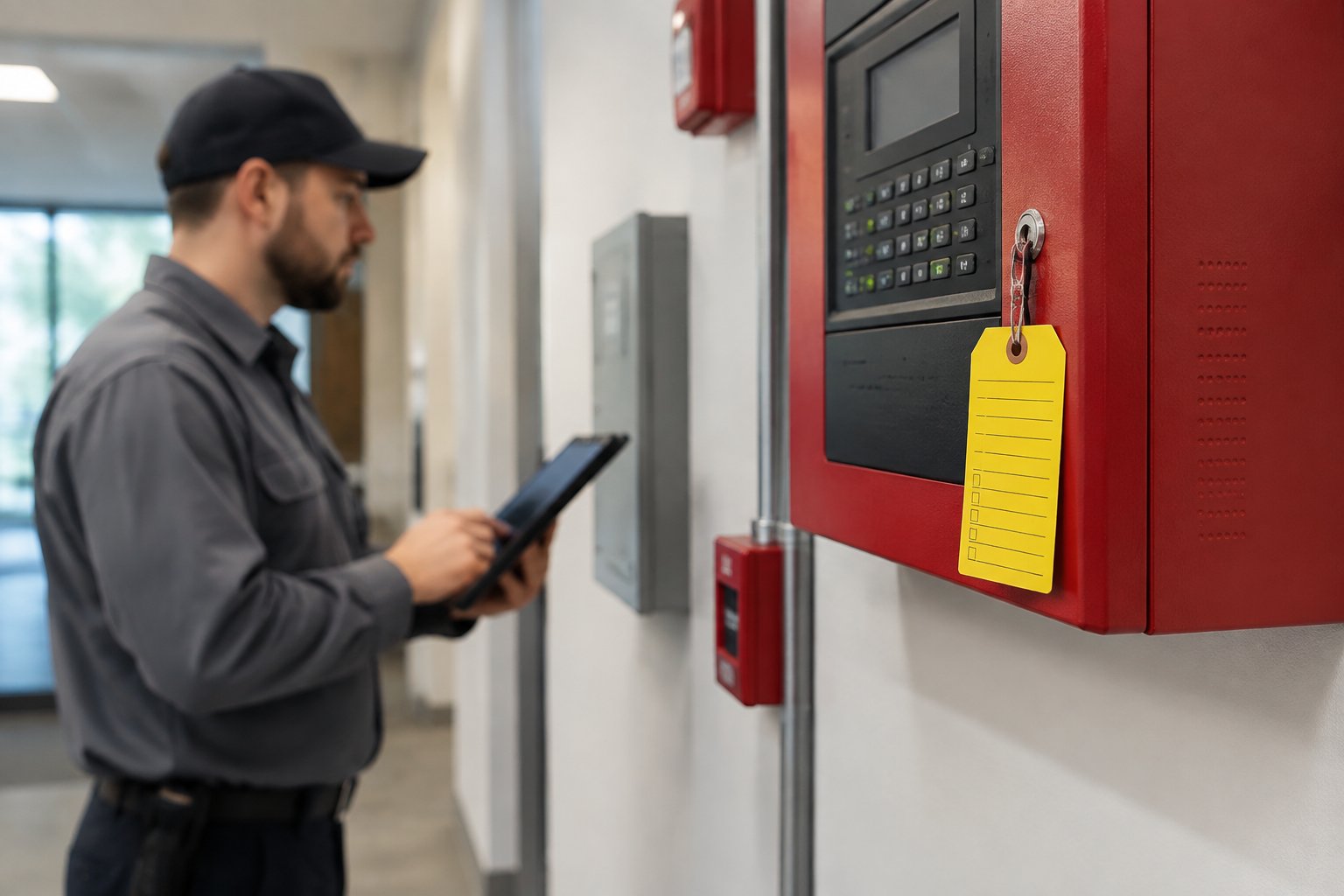
Fire alarm systems need annual inspection under NFPA 72, where a licensed technician tests every detector, pull station, and notification device, plus the relay connecting the hood system to the panel. The hood suppression system itself needs separate inspection every six months, since grease buildup and mechanical wear happen faster in daily kitchen use.
These are two distinct services on two different schedules, and both reports need to be on hand when the fire marshal asks for them.
Use 24/7 Monitoring for After-Hours Events
Fire alarm monitoring keeps your restaurant covered when no one is on site, sending a signal to a central station the moment a device activates. Late-night kitchen prep, closing shifts, and early morning deliveries all happen outside normal business hours, when a monitored connection matters most.
Train Staff for Evacuation and Emergency Response
Staff need clear evacuation procedures and a working knowledge of fire extinguishers near the cooking line. A fire alarm only protects people if they know what to do the moment it sounds.
With detection, suppression, and monitoring all in place, the last decision left is who helps you design, install, and maintain it correctly.
Choose Support Before Your Opening or Upgrade Deadline
The contractor you choose for fire alarm installation and service determines whether your restaurant passes inspection on the first try or gets sent back for corrections. That choice matters more in a commercial kitchen than in almost any other type of property.
Fire protection for a restaurant touches gas shutoffs, life safety notification, and code review all at once, so experience with commercial kitchens specifically makes a real difference.
Questions to Ask Before Selecting a Fire Alarm Partner
Before signing with any fire alarm installation or service provider, ask:
- Do your technicians hold current licensing for commercial fire alarm work in Texas?
- Have you designed systems for restaurants with hood suppression integration before?
- What is your response time for service calls and repairs?
- Do you handle both the annual fire alarm inspection and coordination with hood suppression inspectors?
- Can you support monitoring, testing, and future system upgrades under one contract?
Request a Free No-Obligation Estimate
Our team at Alarm Masters has worked with Texas restaurant owners for more than 35 years, designing fire alarm systems built around real kitchen conditions, not generic templates.
We back every project with a 48-hour turnaround guarantee, so support never leaves you waiting when a system needs attention. If you are also weighing new equipment or a system upgrade, our Commercial Fire Alarm System Buyer's Guide covers what to look for before you sign a contract.
Ready to protect your property the right way? Request a free, no-obligation estimate and our licensed team will design a system built for your specific building.
Frequently Asked Questions
Are Restaurants In Texas Required To Install A Fire Alarm System?
Most restaurants in Texas need a monitored fire alarm system, especially once occupant load or sprinkler presence triggers the requirement. Local fire marshals often set stricter defaults for any restaurant with commercial cooking equipment, regardless of size.
What Fire Alarm Codes And Legal Requirements Apply To Texas Restaurants?
Texas restaurants generally follow NFPA 72 for building-wide fire alarms and NFPA 96 for kitchen hood suppression, both adopted through the state fire code. Local jurisdictions, like the Harris County Fire Marshal's Office, also apply their own permitting and inspection rules.
Which Type Of Commercial Fire Alarm System Best Fits A Restaurant?
An addressable fire alarm system with heat detectors in the kitchen and smoke detectors in dining and office areas works well for most restaurants. The right fit depends on occupancy classification, building size, and how the hood suppression system connects to the panel.
How Much Does It Cost To Install And Monitor A Restaurant Fire Alarm System?
Costs vary based on building size, occupancy classification, and how many detectors and notification devices your kitchen layout requires. A site walk from a licensed contractor gives you an accurate number, not a rough guess.
Do Texas Restaurants Need Both Fire Alarms And Kitchen Fire Suppression Systems?
Yes, both are required, and they are not interchangeable. The fire alarm covers the whole building while the hood suppression system protects only the cooking line, and code requires them to be connected.
How Often Must A Restaurant Test And Inspect Its Fire Alarm System?
NFPA 72 requires fire alarm systems to be inspected at least once a year, while NFPA 96 requires hood suppression systems to be inspected every six months. Both reports need to stay on file for fire marshal review.



.svg)


.svg)