.svg)
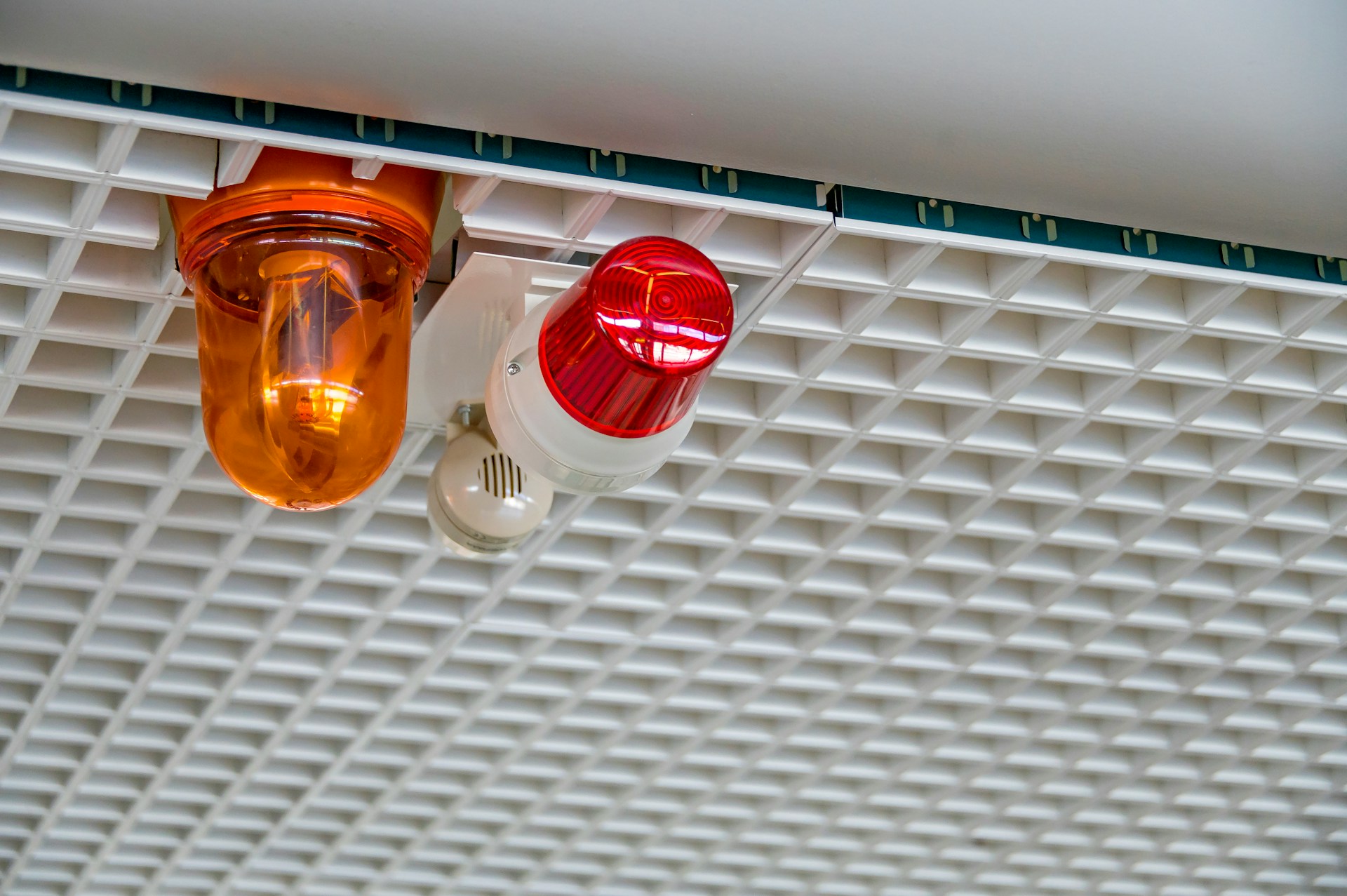
A commercial fire alarm system is a networked safety setup that detects fire hazards, alerts everyone in the building, and notifies emergency responders. Unlike a standalone smoke detector, a commercial system ties control panels, sensors, notification devices, and monitoring connections into one coordinated network.
If you manage or own a commercial property in Houston, Spring, The Woodlands, or anywhere in Texas, the system you choose has a direct effect on your building's safety and compliance. The right one protects lives, preserves property, keeps your business aligned with Texas fire codes and NFPA 72, and can save you money by catching problems early. This guide walks through how these systems work, the types available, what installation involves in Texas, typical costs, and the key questions to ask before you sign a contract. Whether you are building new, upgrading an old system, or taking over a property with an existing fire alarm, you will find what you need here to make a confident, informed choice.
Since 1990, our licensed team has helped Houston-area building owners protect what matters most. Take a look at our commercial fire alarm solutions to see how we design, install, and stand behind systems built for your property.
What A Commercial System Does In A Real Building
A commercial fire alarm system has one job: detect a fire hazard early, alert people, and trigger the right response. Each part has a specific role, from the sensors that spot smoke or heat to the notification devices that tell people to evacuate. The system's real strength comes from how those parts work together, all managed by a central fire alarm control panel.
How Detection, Notification, And Response Work Together
Your fire alarm system follows a clear sequence. Sensors throughout the building are always watching for signs of fire, including smoke detectors, heat detectors, and sometimes flame detectors. When a sensor detects a hazard, it signals the fire alarm control panel.
The control panel is the system's brain. It processes the signal, identifies which device triggered the alarm, and activates horns, strobes, or speakers throughout the building. At the same time, it sends a signal to your monitoring station, which contacts the fire department.
In many setups, the system also triggers related actions. It may release magnetic door holders, shut down HVAC systems to slow the spread of smoke, or activate elevator recall. All of this happens within seconds.
Core Components Like Control Panels, Sensors, And Notification Devices
Every commercial fire alarm system includes a few essential parts:
- Fire alarm control panel: The main hub that receives signals from sensors, processes alarms, and sends commands to notification devices and monitoring.
- Smoke detectors: Detect particles from combustion in the air. Placement and type depend on the space.
- Heat detectors: Used where smoke detectors might give false alarms, such as kitchens or mechanical rooms.
- Flame detectors: For high-hazard areas with flammable materials.
- Notification devices: Horns, strobes, chimes, and speakers that alert people. Texas code and NFPA 72 set the rules for placement and sound levels.
- Manual pull stations: Wall-mounted devices that let people trigger the alarm themselves.
- Communication pathways: The wiring, network, or cellular links that connect everything to the panel and the monitoring station.
Why Early Detection Matters For Life Safety And Property Protection
Early detection is the most important factor in fire safety. The faster a system spots a hazard, the more time people have to evacuate and the sooner help arrives. In a commercial building, even a few extra minutes of warning can be the difference between a minor incident and a major loss.
Catching a fire early also limits property damage. A fire stopped in the first minute does far less harm than one that burns for several, and for businesses that means less downtime, lower repair costs, and fewer interruptions.
Early detection helps you stay compliant, too. Texas fire codes require commercial properties to have reliable life safety systems. A system that detects late, or not at all, puts your building, your occupants, and your business license at risk.
Choosing The Right Setup For Your Property
Not every commercial fire alarm system is the same. The best choice depends on your building's size, layout, occupancy type, and specific risks. The main system types are conventional, addressable, and wireless, and specialized options like voice evacuation and aspirating smoke detection are available for unique needs.
Conventional Vs Addressable Vs Wireless Options
Conventional fire alarm systems divide your building into zones, with each zone grouping several sensors on a single circuit. When a sensor triggers, the panel shows the zone but not the exact device. These systems work well for smaller buildings with simple layouts, and they usually cost less upfront.
Addressable fire alarm systems give every device a unique address, so when a sensor activates, the panel shows the exact location. That is a big advantage in large or complex buildings like office towers, hospitals, or schools. Addressable systems also report trouble at the device level, which makes maintenance faster.
Wireless fire alarm systems use radio signals instead of wires to connect sensors to the panel. They are useful when running new wiring would be too disruptive or expensive, such as in historic properties, finished spaces, or buildings with limited ceiling access. A properly designed wireless system still meets NFPA 72 standards. Some buildings use a hybrid approach that combines wired and wireless parts for flexibility.
When Voice Evacuation And Advanced Detection Make Sense
Standard notification uses horns and strobes to alert people. A voice evacuation system goes further, broadcasting clear spoken instructions through speakers. This is especially valuable in large or multi-story buildings, healthcare facilities, and places where people might not know the layout. Voice evacuation helps guide people to exits and reduces panic, and Texas codes require it in certain building types and sizes, especially high-rises and assembly spaces.
Aspirating smoke detection is another advanced option. These systems continuously draw air through pipes and analyze it with a sensitive laser detector, so they can spot smoke particles much earlier than standard detectors. If you run a data center, clean room, cold storage, or any space where early detection is critical, aspirating systems are worth considering.
Matching The System To Occupancy, Size, And Risk
Your building's occupancy type, size, and specific hazards determine the best fire alarm solution. A small retail shop has very different needs than a large warehouse or a multi-story office building. Key factors to consider include:
- Occupancy type: Hospitals, schools, restaurants, and assembly spaces each carry specific code requirements.
- Building size and layout: Larger buildings often need addressable systems for precise location identification.
- Environmental conditions: Dusty, humid, or extreme-temperature areas may need specialized detectors to avoid false alarms.
- Existing infrastructure: Retrofit projects may benefit from wireless or hybrid systems to reduce installation costs and disruption.
Choosing the right system from the start saves you money and trouble later. Too simple a system leaves coverage gaps. Too complex a system adds cost without real benefit.
Installation, Design, And Texas Code Requirements
Installing a commercial fire alarm system is far more than mounting devices. It starts with a detailed assessment and ends with passing inspection. In Texas, both design and installation must meet state and local codes, which can vary across the Houston area.
Site Assessment, System Design, And Device Placement
Every installation starts with a site assessment. A licensed technician walks your building, checks the layout, identifies hazards, reviews occupancy, and notes any existing fire protection. This step uncovers the risks that shape every design decision.
System design turns the assessment into a detailed plan. That plan specifies:
- The type and location of every detector, pull station, and notification device
- Control panel placement and the wiring or communication paths
- Integration with other systems like HVAC, elevators, and sprinklers
- Device spacing and mounting heights based on NFPA 72
Proper device placement is critical. A smoke detector too close to an air vent may miss smoke, and a notification device too far from people will not meet sound-level requirements. A licensed designer weighs ceiling heights, airflow, obstructions, and room use to make sure every device works as intended.
Permits, Inspections, And NFPA 72 Compliance
Texas uses NFPA 72, the National Fire Alarm and Signaling Code, as the standard for commercial fire alarm installation. Local jurisdictions like Houston, Harris County, Spring, and The Woodlands may add their own rules and permits. Before installation, your installer should pull the required permits and coordinate with the local Authority Having Jurisdiction (AHJ).
After installation, the system is tested and inspected to verify that every device works, the system communicates with the monitoring station, and the design meets code. Failing inspection leads to delays and extra costs, so working with a company that knows local code helps you avoid those problems.
Working With Licensed Installers And Verifying Credentials
Texas requires companies that install commercial fire alarms to hold the proper state licenses. Before hiring, check their credentials:
- Confirm they hold a valid Texas fire alarm license from the State Fire Marshal's Office.
- Ask for proof of insurance and bonding.
- Check their experience with projects similar to yours.
- Ask whether they handle design, permitting, installation, and inspection support themselves or subcontract the work.
A single provider handling the full process, from design to inspection, means fewer handoffs and less chance for miscommunication. It also makes accountability much easier.
Monitoring, Service, And Long-Term Reliability
A commercial fire alarm system is only as reliable as its ongoing support. After installation, your system needs continuous monitoring, regular inspection and testing, and proactive maintenance to stay compliant and ready. Neglecting these steps puts your building, your occupants, and your compliance at risk.
Remote Monitoring And Central Station Support
Central station monitoring connects your fire alarm system to a professional monitoring center that watches your building around the clock. When your system detects a fire, it sends a signal to the central station, where operators verify the alarm and contact the fire department right away.
Remote monitoring also tracks trouble signals and communication failures. If a sensor goes offline or a connection drops, the monitoring center alerts you so you can fix it quickly. Texas fire codes and NFPA 72 require alarm monitoring for most commercial properties, so your provider should be UL-listed and meet code response times. Ask how they handle signal verification and what their average dispatch time is.
Inspection, Testing, And Preventive Fire Alarm Service
NFPA 72 sets a schedule for the inspection, testing, and maintenance of every fire alarm component. On a monitored commercial system, most devices and control panel functions are tested during an annual service visit, though some quick visual checks happen more often and certain components or local rules can call for more frequent testing. Staying on top of routine inspection, testing, and maintenance does three things: it confirms every device works, it catches issues like dust, corrosion, or battery wear before they cause failures, and it provides the documentation you need to pass inspections and meet insurance requirements.
Keep detailed records of all inspections, tests, and repairs. These records prove your system's condition if questions ever come up.
System Takeovers, Upgrades, And Communication Path Changes
If you acquire or lease a building with an existing fire alarm system, you do not always need to replace it. Many companies, including Alarm Masters, offer system takeover services. A licensed technician will inspect your current equipment, check its condition, and transfer monitoring and maintenance to the new provider. Common upgrade scenarios include:
- Replacing old phone-line communicators with cellular communicators for faster, more reliable signal transmission.
- Upgrading a conventional panel to an addressable panel for better location identification.
- Adding devices to cover new construction, tenant buildouts, or previously unprotected areas.
- Integrating fire alarm signals with other building systems for unified management.
Planning for future expansion during the initial design can save you money. If your system has extra capacity and room to add devices, expanding later is far cheaper than replacing the whole panel.
Costs, Budget Factors, And What Shapes Pricing
The cost of a commercial fire alarm system depends on building size, system type, and project complexity. There is no single price that fits every property, but understanding what affects the cost helps you plan.
Typical Fire Alarm Installation Cost Ranges
For a small commercial space like a retail shop or small office, installation typically ranges from $2,000 to $10,000. Mid-sized facilities with multiple zones and addressable panels often run from $10,000 to $50,000. Larger or more complex buildings, such as multi-story offices, schools, healthcare facilities, and warehouses, can reach $100,000 or more.
These estimates generally include equipment, labor, wiring, and basic setup. Permits, monitoring setup fees, and special devices can add to the total, so always ask for a detailed, itemized proposal that lets you compare bids fairly.
What Raises Or Lowers Total System Cost
Several factors directly affect your fire alarm system cost:
- Building size and layout: More square footage means more devices, more wiring, and more labor.
- System type: Addressable systems cost more than conventional ones, but they offer better diagnostics and easier maintenance.
- Device types: Specialty sensors like aspirating smoke detectors or flame detectors cost more than standard smoke detectors.
- Existing infrastructure: New construction with open ceilings is easier and less expensive to wire than retrofitting a finished building.
- Code requirements: Some occupancy types need voice evacuation, extra notification devices, or specific detector types, which add to the budget.
- Integration needs: Connecting your fire alarm to access control, building management, or sprinkler monitoring systems adds design and programming time.
How Monitoring, Retrofits, And Expansion Affect Budget
Beyond installation, plan for ongoing costs:
- Monitoring fees: Central station monitoring is usually billed monthly or annually. Pricing depends on the number of signals, the communication paths, and the response protocols.
- Inspection and testing: Budget for the annual test and inspection required by NFPA 72, plus any more frequent checks your equipment or local Authority Having Jurisdiction (AHJ) requires.
- Retrofits: Adding devices for a new tenant space, a building expansion, or an area flagged during inspection can cost anywhere from a few hundred to several thousand dollars, depending on scope.
- Communication upgrades: Switching from a phone-line communicator to a cellular path is a relatively low-cost upgrade that improves reliability and eliminates a recurring phone-line bill.
Get a clear, written estimate upfront. Ask your provider to break out equipment, labor, permits, monitoring, and recurring service costs so you can see the full picture before committing.
Questions To Ask Before You Choose A Provider
The company you choose to design, install, and maintain your commercial fire alarm system shapes your safety, your compliance, and your long-term costs. The questions you ask during the evaluation help you find a provider that truly fits your building and your needs.
How Integration With Access Control And Intrusion Detection Helps
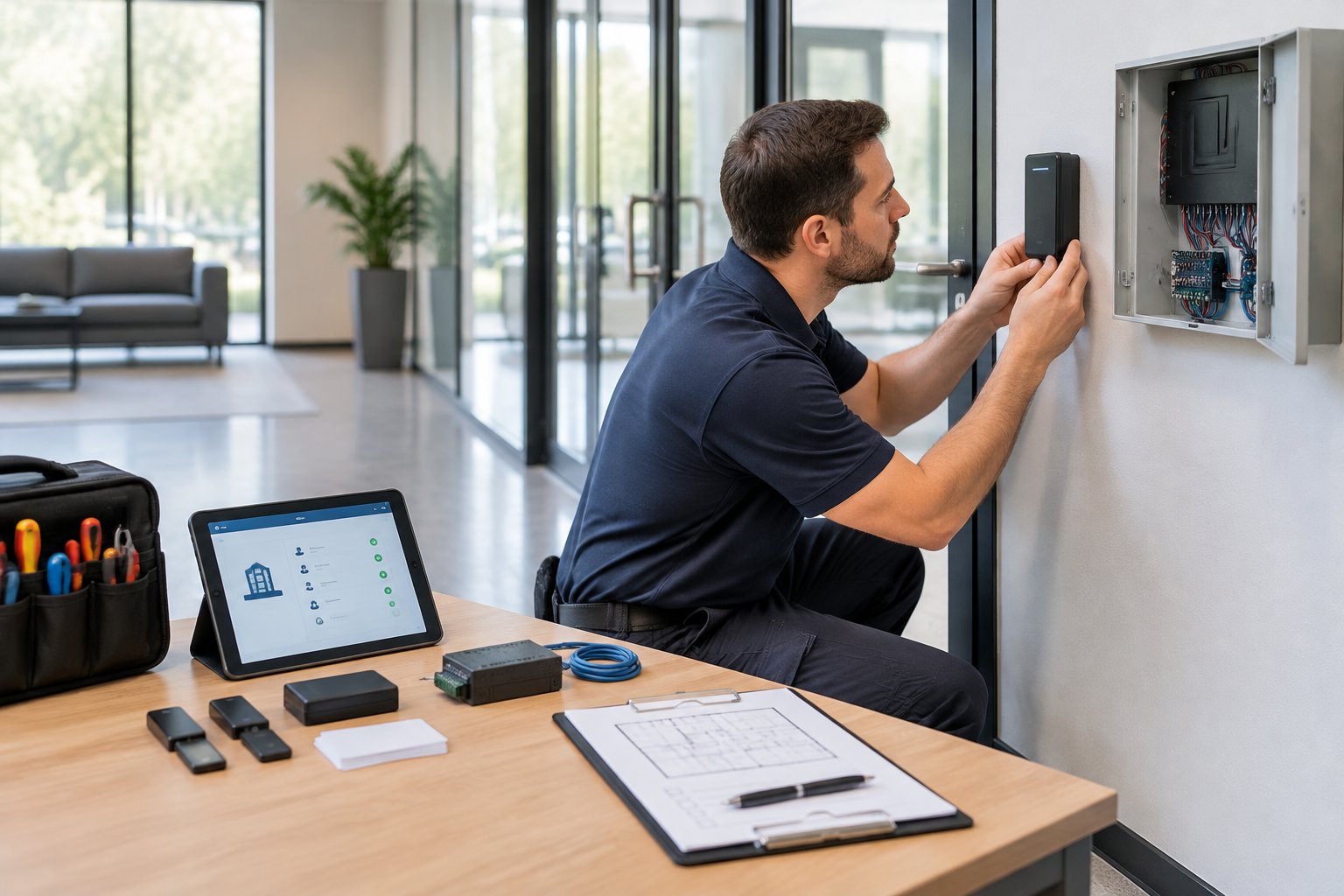
Modern commercial properties often need more than just a fire alarm. Ask whether your provider can integrate fire alarm signals with access control, intrusion detection, and building management systems, because integration gives you a single point of visibility and makes daily management easier.
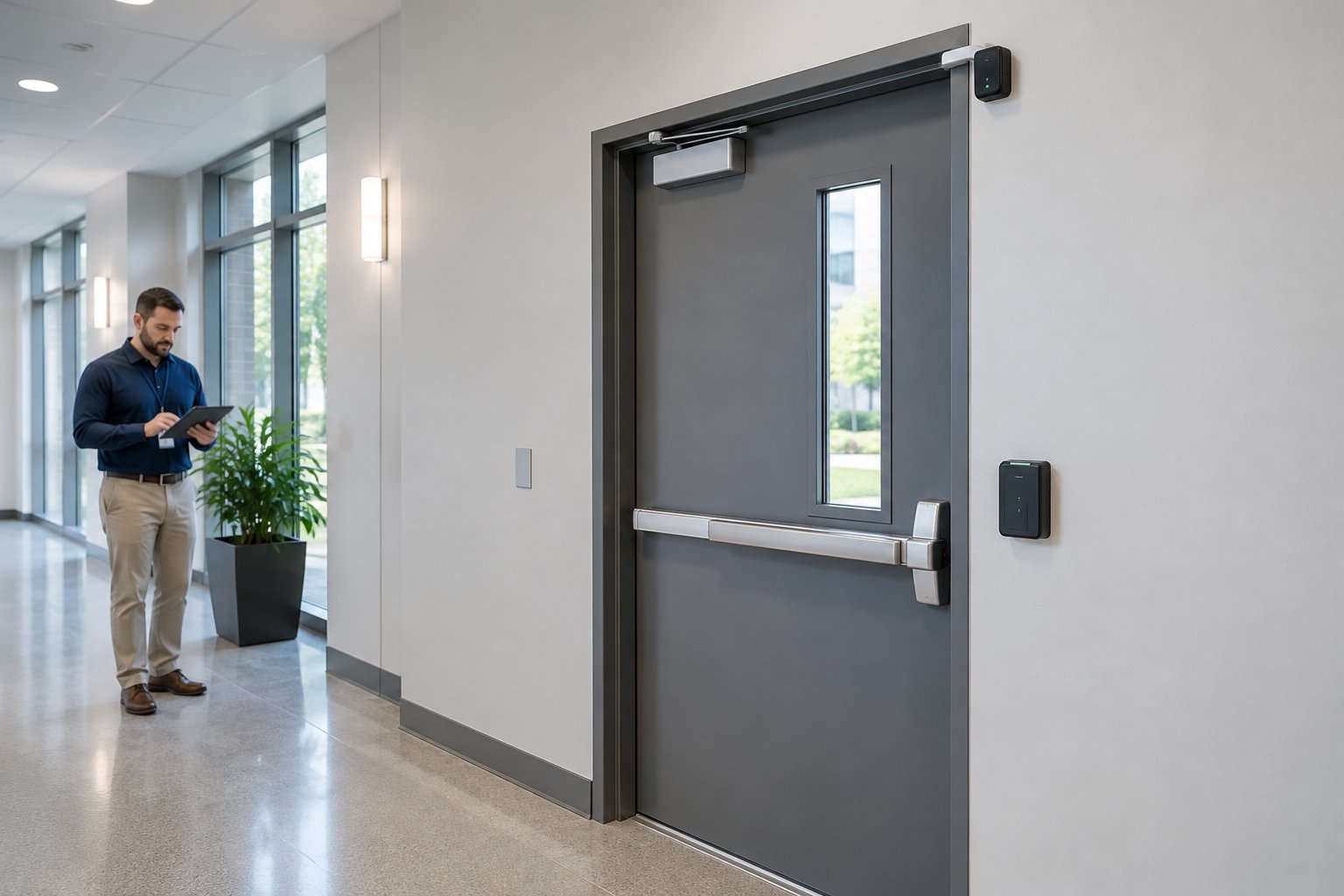
For example, when a fire alarm activates, integrated access control can automatically unlock exit doors, and your intrusion detection system can pause to prevent nuisance alerts during evacuation. Video surveillance can pull up cameras near the alarm zone so you or responders can quickly assess the situation.
A single provider that handles commercial fire alarms, access control, surveillance, and intrusion detection under one roof means fewer vendors to manage. Not every company offers this range of services, so ask early.
What To Ask About Service Speed, Inspections, And Documentation
When your fire alarm panel shows a trouble condition at 2 a.m., response time matters. Ask these questions before you sign:
- What is your guaranteed response time for service calls?
- Do you provide 24/7 emergency support, or only during business hours?
- Who performs inspections and testing, and are your technicians licensed in Texas?
- What documentation do you provide after each inspection, and is it formatted for fire marshal review?
- Do you track inspection schedules and remind us when service is due?
Some companies, like Alarm Masters, guarantee a 48-hour turnaround for service, while others may take longer. In fire and life safety, slow service can become a compliance risk.
How To Compare Equipment, Support Options, And Future Expansion
Not all fire alarm equipment is the same, and not every provider supports the same product lines. Ask which panel and sensor manufacturers your provider works with, and whether those systems have a proven track record with parts that are easy to source. Some equipment lines are widely supported and simple to service for years, while others can be harder to maintain or expand down the road.
When comparing proposals:
- Ask if the system can expand without replacing the main panel.
- Find out if the provider offers system takeover for existing equipment.
- Confirm that the provider handles permitting, inspection coordination, and ongoing fire alarm service.
- Ask about monitoring options, including cellular communication paths.
- Request references from commercial clients in the Houston area with similar buildings.
A provider that can grow with your building and support your system for the long haul protects your investment.
If you need a commercial fire alarm system for your property in Houston, Spring, The Woodlands, or anywhere in Texas, our licensed technicians are ready to help, backed by our 48-hour guaranteed turnaround. Call us at 281-933-3900 or request a free, no-obligation estimate to get started.
Frequently Asked Questions
What are the main types of fire alarm systems used in businesses?
The three main types are conventional, addressable, and wireless. Conventional systems group devices into zones and identify which zone triggered an alarm. Addressable systems assign a unique address to each device, pinpointing the exact location. Wireless systems use radio communication instead of hardwired circuits, which makes them ideal for retrofits and historic buildings.
What is the average cost to install a fire alarm system in a commercial building?
Costs vary widely by building size, system type, and complexity. Small commercial spaces typically range from $2,000 to $10,000, mid-sized buildings from $10,000 to $50,000, and large or complex facilities can exceed $100,000. Always request an itemized estimate that includes equipment, labor, permits, and monitoring setup.
How do I choose a qualified company to design and install a fire alarm system?
Check that the company holds a valid Texas fire alarm license from the State Fire Marshal's Office. Ask for proof of insurance, references from similar projects, and whether they handle design, permitting, installation, and inspection support in-house. A provider that manages the full process reduces risk and simplifies accountability.
What factors affect the cost of a fire alarm system for a small business location?
The biggest factors are building size, the number of devices required, system type (conventional or addressable), and whether the project is new construction or a retrofit. Specialized detectors, voice evacuation requirements, integration with other building systems, and local permitting fees also influence the final cost.
How long do fire alarm panels and detection devices typically last before replacement?
Fire alarm control panels generally last 15 to 20 years with proper maintenance. Smoke detectors and heat detectors usually need replacement every 10 to 15 years, depending on the manufacturer's recommendations and environmental conditions. Regular inspection and testing help identify devices that are nearing the end of their service life.
What are the differences between conventional, addressable, and hybrid fire alarm panels?
Conventional panels group devices into zones and report alarms by zone, not by individual device. Addressable panels talk to each device separately, which gives you exact location data and lets you check each device's status. Hybrid panels use both technologies, so you can connect addressable devices on some circuits and conventional devices on others within the same system.


.svg)


.svg)