.svg)
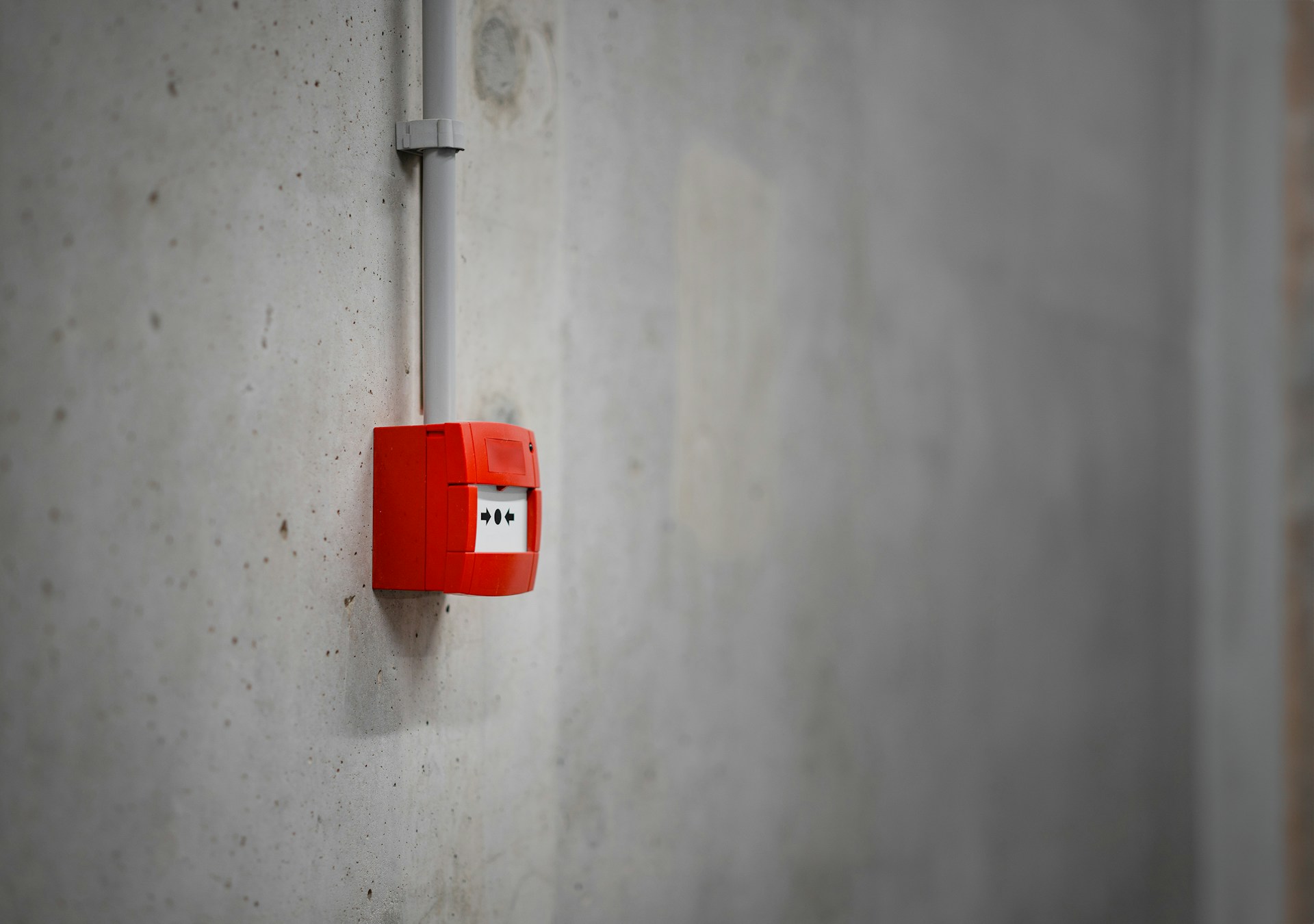
If a fire marshal shows up next month to review your building, will your fire alarm system pass? For many Texas facility managers, that question surfaces only after a citation lands or an insurance renewal stalls. Understanding the fire alarm inspection process Texas commercial buildings must follow ahead of time keeps that scenario from becoming your reality.
Fire alarm systems only work as well as their last inspection. Smoke detectors collect dust, batteries lose charge, and communication paths that alert a monitoring station can quietly fail without a visible sign. A proper inspection catches these problems before a real fire tests your system. That single fact separates buildings that pass inspection smoothly from those facing repeat violations.
In this guide, you'll discover what Texas law and national fire codes require, who can legally inspect your commercial fire alarm system, what happens during the visit, and how to keep your paperwork audit-ready.
Texas Compliance Rules and Inspector Qualifications
Texas does not let just anyone inspect a commercial fire alarm system. State law requires licensed technicians working for a registered fire alarm company to do this work.
That single rule protects building owners from unqualified work that could fail during an actual fire.
How NFPA 72 and Local Rules Work Together
NFPA 72, the National Fire Alarm and Signaling Code from the National Fire Protection Association, sets the technical baseline for every Texas inspection. Chapter 14 of NFPA 72 details inspection, testing, and maintenance requirements for fire alarm systems.
Texas adopts NFPA 72 through the Texas Administrative Code and the Texas Insurance Code, which the Texas Department of Insurance and the State Fire Marshal's Office enforce statewide. On top of that, your local fire marshal, known as the Authority Having Jurisdiction (AHJ), can apply additional local amendments.
That layered system means two commercial buildings in different Texas cities may face slightly different rules even with identical fire alarm equipment. A Houston restaurant and a Dallas warehouse might both follow NFPA 72, but their local AHJ could require different documentation or timelines.
Who May Inspect Commercial Fire Alarm Systems
Only a licensed fire alarm technician working for a registered fire alarm company may legally inspect, test, or certify your system in Texas. Larger projects may also require a fire alarm planning superintendent to oversee design work.
Every technician carries a technician license number that should appear on your inspection report. Building owners have the right to ask for it before service begins.
- Fire Alarm Technician license: performs hands-on inspection and testing
- Fire Alarm Planning Superintendent license: oversees system design and complex projects
- Company registration: the fire alarm company itself must be registered with the state, not just the individual
When the AHJ Requires Additional Steps
Some buildings face requirements beyond the standard annual visit. Hospitals, schools, high-rise offices, and assembly spaces often draw closer attention from the local fire marshal.
Your AHJ can require extra documentation, more frequent testing, or a re-inspection after any deficiency. Knowing your building's occupancy category early helps you anticipate what the on-site visit will actually involve.
What Happens During the On-Site Visit
A commercial fire alarm inspection is not a quick walk-through with a checklist and a signature. Expect a technician to spend real time testing devices, verifying signals, and confirming your system resets correctly.
Houston building owners who expect a 15-minute visit are often surprised by how thorough a compliant inspection actually is.
Preparing the Building and Monitoring Station
Before testing begins, the technician contacts your central station monitoring provider to place the account on test mode. This step prevents false alarms from dispatching fire crews during the inspection.
The technician also reviews your fire alarm control panel, often called the FACP, for existing trouble signals or supervisory signals. The technician notes any unresolved issues before active testing starts.
- Notify the monitoring station and confirm test mode is active
- Review the control panel history for existing trouble or supervisory conditions
- Confirm building access to all initiating devices, including locked mechanical rooms
Testing Alarm Initiation and Signal Transmission
Test each initiating device, including smoke detectors, heat detectors, and manual pull stations, to confirm it triggers an alarm signal correctly. The technician also verifies that signals travel successfully through your communication paths to the monitoring station.
This step matters because a detector can look fine while its signal transmission has failed. Testing communication pathways is the only way to confirm the alarm truly reaches help.
Confirming Occupant Notification and System Reset
Once initiation is confirmed, the technician checks that notification devices activate properly throughout the building. After testing, the panel must reset cleanly with no lingering trouble signals.
If a device fails, the technician documents the issue and recommends corrective action before finalizing the report. That leads directly into which components get checked during a complete inspection.
Components a Complete Inspection Should Cover
A complete fire alarm inspection covers far more than pull stations and smoke detectors alone. Missing even one component category can leave a real gap in your building's life safety coverage.
Texas inspectors expect every device type connected to the system to receive attention, not just the most visible ones.
Detection Devices and Manual Activation Points
Inspectors check smoke detectors, heat detectors, and duct smoke detectors for physical condition and functional response. Manual pull stations are tested to confirm they trigger the correct alarm signal instantly.
- Smoke detectors: checked for dust buildup, damage, and proper mounting
- Heat detectors: tested for correct activation temperature response
- Duct smoke detectors: verified within HVAC systems to prevent smoke recirculation
- Manual pull stations: confirmed accessible, labeled, and undamaged
Horns, Strobes, and Voice Notification
Notification appliances, including horns, strobes, and speakers, must alert every occupant clearly across the building. A strobe with a cracked lens or a horn buried behind storage racks can leave occupants without warning.
Technicians verify volume, visibility, and synchronization when multiple strobes are used in the same space. Voice systems used for public address-style announcements get tested for clarity as well.
Sprinkler Supervisory Devices and Backup Power
Waterflow switches, tamper switches, and pressure switches connect your fire alarm system to your sprinkler system's supervisory function. These devices confirm the sprinkler system stays ready and report any tampering.
Backup power, including battery backup, keeps your fire alarm components running during an outage. Battery testing checks voltage, age, and charging performance, since a weak battery can fail exactly when a fire knocks out utility power. That reliability question naturally raises how often this entire process needs to repeat.
Inspection Timing, Records, and Deficiency Follow-Up
Most commercial buildings in Texas need a full annual fire alarm inspection, though high-risk occupancies may face more frequent visits. Skipping that annual requirement is one of the fastest paths to a fire marshal citation.
Facilities like schools and assisted living facilities often face tighter inspection schedules than a standard office building.
How Often Commercial Systems Need Service
NFPA 72 does not apply one single frequency to every device. While complete system testing is typically annual, certain components need quarterly or semiannual attention depending on device type and building occupancy.
Commercial fire alarm maintenance and inspection are related but separate activities under the code. Maintenance addresses repairs and adjustments, while inspection and testing verify current performance.
What Belongs in the Inspection Report
A proper fire alarm inspection report gives you documented proof of compliance for your insurance carrier and your local fire marshal. Missing or incomplete records can create problems even when the actual inspection passed.
- Building address and inspection date
- Technician name and license number
- Devices inspected, tested, and any deficiencies found
- Corrective actions taken or recommended
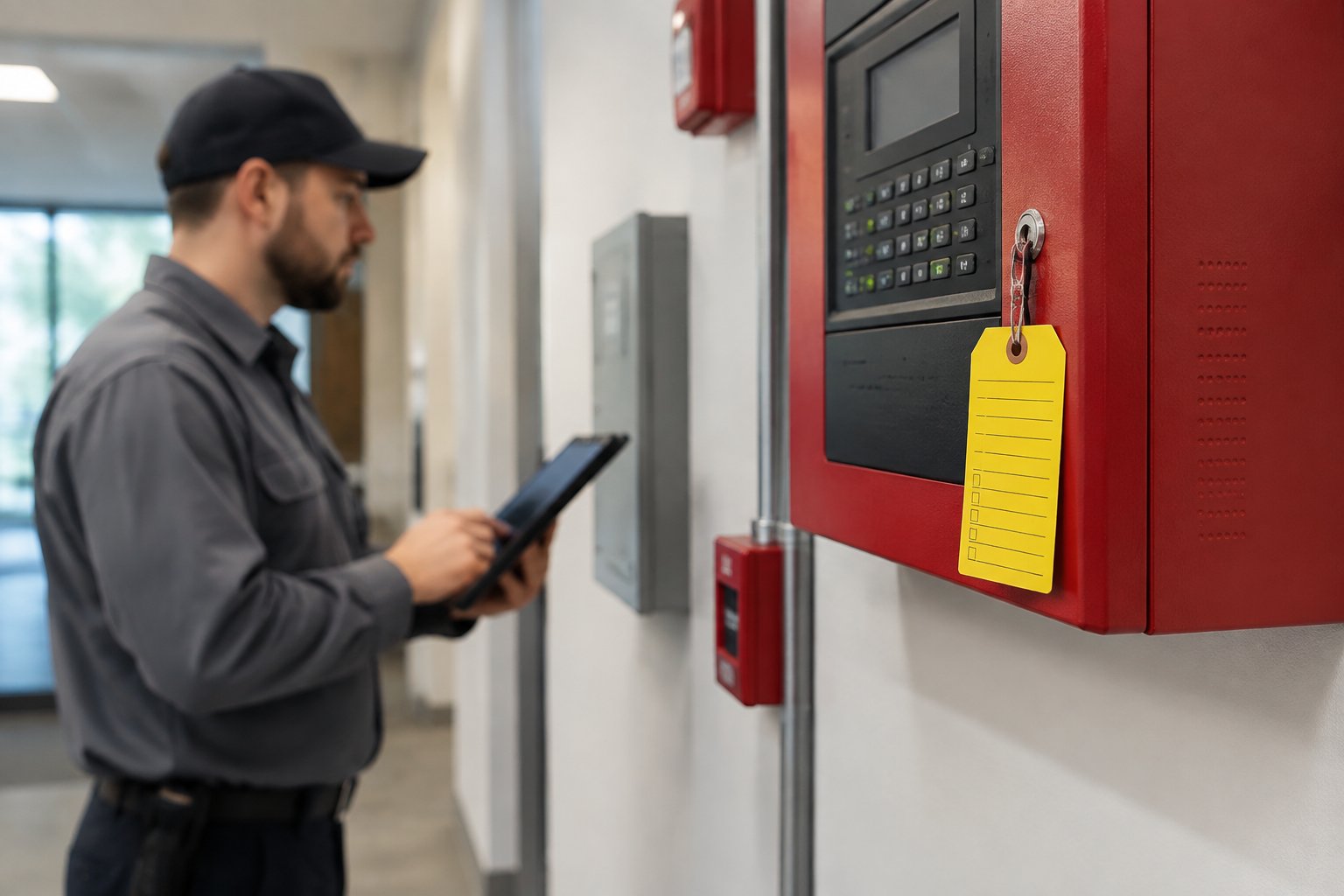
- Inspection certificates or tags applied to the panel
How to Address Deficiencies Before a Fire Marshal Visit
Deficiencies found during inspection should be corrected promptly, not left for the next annual cycle. Waiting increases the odds of a failed inspection or a fire marshal citation on your next visit.
Property owners across Houston, Austin, and the DFW Metroplex all answer to the same core NFPA 72 framework, even as local enforcement details vary. With deficiencies addressed, the next priority is keeping your building ready between scheduled visits.
Keep Your Property Ready Between Inspections
Waiting a full year between fire alarm checks leaves gaps a facility team can close on their own. Simple routine attention keeps small issues from becoming inspection failures.
Texas commercial fire alarm systems depend on consistent attention, not just an annual visit, to stay reliable.
Routine Checks Facility Teams Can Handle
Facility staff can visually confirm that pull stations, horns, and strobes remain unobstructed by furniture, signage, or storage. Checking the control panel for trouble lights is another simple habit worth building into a monthly routine.
- Confirm no boxes or equipment block pull stations or detectors
- Glance at the control panel for active trouble or supervisory signals
- Report any burnt-out strobe or unusual panel behavior right away
When Renovations or Repairs Call for Earlier Testing
Any renovation, new tenant buildout, or HVAC change can affect fire alarm and life safety systems performance. Moving walls or ceiling tiles often shifts detector coverage in ways that require retesting before the next scheduled inspection.
Frequently Asked Questions
What does a commercial fire alarm inspection include?
A complete inspection covers detection devices, notification appliances, control panel function, backup batteries, and signal transmission to your monitoring station. Technicians document every device tested and note any deficiencies found. The goal is to confirm the entire system will perform correctly during a real fire.
How often do Texas businesses need to inspect and test fire alarm systems?
Most commercial buildings need a full annual inspection, though some components require quarterly or semiannual testing under NFPA 72. High-risk occupancies like hospitals and schools sometimes face more frequent schedules. Your local AHJ can add requirements beyond the standard annual visit.
What fire alarm codes and standards apply to commercial buildings in Texas?
Texas commercial buildings follow NFPA 72, adopted through the Texas Administrative Code and enforced by the Texas Department of Insurance and State Fire Marshal's Office. Local fire marshals can apply additional amendments specific to their jurisdiction. Both layers apply together, not separately.
What do fire inspectors check during a commercial building inspection?
Inspectors check smoke detectors, heat detectors, pull stations, notification appliances, sprinkler supervisory devices, and backup power for proper function. They also confirm the control panel resets cleanly and alarm signals reach the monitoring station. Any deficiency gets documented for correction.
Who can inspect and certify a commercial fire alarm system in Texas?
Only a licensed fire alarm technician working for a state-registered fire alarm company may legally inspect and certify a commercial system in Texas. Building owners can request the technician's license number before service begins. This licensing requirement protects your building from unqualified inspection work.
How quickly can our team complete a fire alarm inspection and provide the required report?
Alarm Masters responds within 48 hours and provides a documented inspection report ready for your insurance carrier or local fire marshal. Our licensed technicians handle testing, deficiency correction recommendations, and paperwork in one visit whenever possible. Schedule a site assessment with our team and get a clear, honest plan in hand, backed by our 48-hour service guarantee from day one.
Schedule Licensed Fire Alarm Service
Our team at Alarm Masters designs, installs, and inspects fire protection systems for commercial properties across Texas, backed by 35+ years of experience. We respond within 48 hours and handle the paperwork your fire marshal expects. If you're weighing a new or upgraded system rather than just an inspection, our commercial fire alarm system buyer's guide walks through types, costs, and what to ask before you sign a contract.
Ready to protect your property the right way? Request a free, no-obligation estimate and our licensed team will design a system built for your specific building.



.svg)


.svg)