.svg)
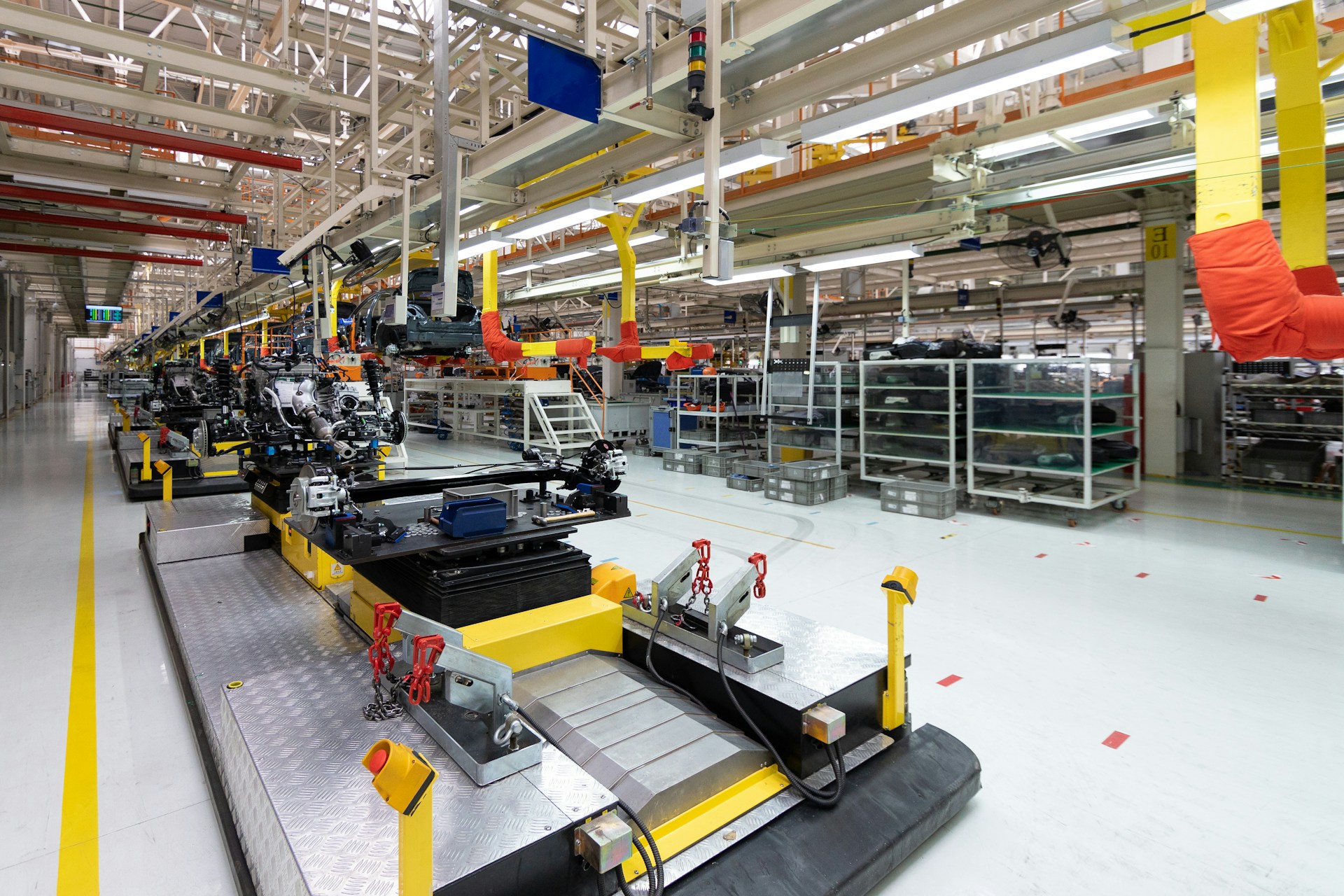
Factory floor surveillance systems help manufacturers address common challenges such as safety risks, theft, and limited visibility in busy production areas. Without clear oversight, small issues can turn into costly downtime, injuries, or lost inventory.
Alarm Masters works with Texas manufacturers that need reliable surveillance to protect workers, secure equipment, and keep operations running smoothly. With licensed technicians and a 48-hour guaranteed turnaround, the focus stays on practical solutions that fit real factory conditions.
This guide explains how factory floor surveillance systems work, what technologies matter most, and how to plan a setup that supports safety, efficiency, and compliance. You’ll learn what to prioritize and how to avoid common mistakes before installation.
Overview of Factory Floor Surveillance Systems
Modern factory surveillance systems combine multiple technologies to monitor production areas, protect workers, and secure equipment. These systems use cameras, software, and network infrastructure to provide real-time visibility across manufacturing facilities.
Key Components of Surveillance Solutions
Your surveillance system needs several core parts to function properly. Cameras capture video footage from different areas of your factory floor.
These include fixed cameras for specific zones and pan-tilt-zoom models for larger areas. The recording system stores your video footage.
You can choose between local storage using network video recorders or cloud-based storage that lets you access footage from anywhere. Video management software acts as your control center.
It displays multiple camera feeds at once and lets you search through recorded footage. The software also handles alerts when the system detects unusual activity.
Network infrastructure connects all your components. You'll need Ethernet cables, switches, and routers to link cameras to your recording and monitoring systems.
Some systems use wireless connections in areas where running cables is difficult. It’s not always easy to get wires everywhere on a busy shop floor.
Types of Surveillance Technologies
HD and 4K cameras provide clear images that help you identify people and read equipment labels. Night vision cameras use infrared technology to monitor areas with poor lighting or during night shifts.
Thermal cameras detect heat signatures instead of visible light. They work well in dusty environments or areas with smoke, where regular cameras struggle.
Smart cameras include built-in analytics that can count people, detect motion in restricted zones, or spot unsafe behaviors. These cameras reduce the workload on your security team by flagging issues automatically.
Access control systems work alongside cameras to track who enters different areas. They use key cards, biometric scanners, or mobile credentials to verify worker identity.
How Surveillance Systems Work in Industrial Settings
Your cameras continuously record and send footage to the storage system through your network. The video management software processes these streams and displays them on monitors in your security office.
Motion detection triggers recording or alerts when something moves in restricted areas. Analytics software can identify specific events, such as someone entering a hazardous zone without proper safety gear.
You can access your system remotely through mobile apps or web browsers. This lets managers check on operations from off-site locations.
The system maintains logs of all recorded events for review during safety investigations or security incidents. That’s pretty handy when you need to look back and see exactly what happened.
Benefits of Implementing Surveillance on the Factory Floor
Surveillance systems on factory floors deliver measurable improvements in three critical areas. They protect workers from hazards, streamline production processes, and reduce losses from theft or damage.
Enhancing Workplace Safety
Video surveillance helps you identify safety hazards before they cause injuries. Cameras positioned throughout your facility let you monitor high-risk areas like loading docks, machinery zones, and chemical storage locations in real time.
When accidents do occur, recorded footage shows you exactly what happened. You can review incidents to understand root causes and prevent similar problems in the future. This documentation also protects your business from false injury claims by providing clear evidence of events. It’s a relief to have that kind of backup.
Modern systems include features like motion detection and alerts that notify you immediately when someone enters a restricted area. Night-vision capabilities ensure your facility remains monitored during all shifts.
Some advanced systems can even detect unsafe behaviors, such as workers not wearing required protective equipment, allowing you to address issues promptly. It’s a level of oversight you just can’t get with human eyes alone.
Operational Efficiency Improvements
Surveillance cameras give you visibility into your production processes that you can't get any other way. You can track how materials move through your facility and identify bottlenecks slowing down production.
Video analytics help you understand worker movement patterns and workflow efficiency. This data shows you where to reorganize equipment or adjust staffing levels for better productivity.
You can spot when machines sit idle or when inventory piles up in certain areas. Remote monitoring means you can check on multiple locations from one central station or even from your phone.
This saves time compared to physically walking the floor. You can also use historical footage to analyze trends over weeks or months, helping you make smarter decisions about factory layout and resource allocation.
Loss Prevention and Asset Protection
Theft from both employees and outsiders costs manufacturing facilities significant money each year. Visible cameras deter potential thieves by making them aware they're being watched.
Your surveillance system protects expensive equipment, raw materials, and finished products around the clock. If theft does occur, you have recorded evidence to support investigations and insurance claims.
This footage often leads to the quick resolution of incidents and the recovery of stolen items. The system also monitors unauthorized access to sensitive areas of your facility. You can track who enters restricted zones and when, creating an audit trail for valuable or dangerous materials. It’s not just about catching the bad guys. It’s about peace of mind.
Modern Technologies in Surveillance Systems
Factory surveillance has evolved beyond basic camera monitoring. Cloud storage, smart device connections, and artificial intelligence now provide advanced security features and operational insights that help you protect your facility and improve manufacturing efficiency.
Cloud-Based Video Management
Cloud-based systems store your surveillance footage on remote servers rather than on local hard drives. This means you can access your camera feeds from anywhere using your phone, tablet, or computer without being physically present at your facility.
Your video data stays protected through automatic backups. If something happens to your on-site equipment, you won't lose important footage.
Cloud platforms also eliminate the need for expensive storage hardware and reduce IT maintenance costs. These systems update automatically with new features and security patches.
You get access to the latest technology without manual installations or system downtime. Many cloud platforms let multiple users view live feeds simultaneously, helping your security team and managers coordinate incident responses faster.
Integration with IoT Devices
Modern surveillance systems connect with your existing factory equipment and sensors. Your cameras can work together with access control systems, alarm sensors, and environmental monitors to create a complete security network.
When an alarm triggers or a door opens, your cameras can automatically focus on that area and start recording. This gives you better coverage of important events without manual intervention.
The connected devices share data to help you spot patterns and potential problems. You can link surveillance with your production equipment to monitor manufacturing processes.
Temperature sensors, motion detectors, and quality control systems all feed information into one central platform. This integration helps you catch equipment failures early and maintain safer working conditions across your factory floor.
AI-Powered Video Analytics
Artificial intelligence analyzes your camera footage in real-time to detect specific activities and objects. The technology recognizes unusual behavior, unauthorized access, and safety violations without requiring constant human monitoring.
AI systems can count people, track movement patterns, and identify when workers enter restricted zones. You receive instant alerts when the system spots potential security threats or safety hazards.
This reduces response times and helps prevent incidents from escalating. The software learns normal factory operations over time.
It distinguishes between regular activities and genuine concerns, which cuts down on false alarms. You can search through hours of footage in minutes by asking the system to find specific events, people, or objects rather than watching everything manually.
Designing and Installing Surveillance for Factory Environments
Getting your surveillance system right from the start means picking smart camera spots and preparing for the tough conditions found in manufacturing spaces. You'll also want to plan ahead so your system can grow with your facility.
Choosing the Right Camera Locations
You need to place cameras where they cover the most critical areas without creating blind spots. Focus on entry and exit points first, then move to high-value equipment zones and areas where products move between stations.
Position cameras to monitor production lines from angles that let you see both the work being done and the workers doing it. Mount them high enough to avoid accidental damage but low enough to capture clear facial details when needed.
Place additional cameras at loading docks, storage areas, and anywhere expensive materials sit for extended periods. Don't forget less obvious spots like break rooms and maintenance corridors where safety issues might occur.
Test each camera's field of view before permanent installation. Walk through the coverage area to make sure the angle works, and the lighting doesn't create glare or dark patches that hide important details.
Addressing Environmental Challenges
Factory floors throw some tough conditions at surveillance equipment. Dust, moisture, extreme temperatures, and vibrations from heavy machinery can all damage standard cameras.
Look for cameras with IP66 or IP67 ratings that protect against dust and water. These ratings mean the cameras can handle being hosed down during cleaning, which is common in food processing and other manufacturing settings.
Pick cameras rated for the temperature range in your facility. Some factory areas get very hot near furnaces or very cold in refrigerated sections.
The wrong camera will fail quickly in extreme conditions. Consider camera housings with built-in heating or cooling for the harshest environments. Vibration-resistant mounts help in areas with heavy machinery that causes constant shaking. A little planning here saves headaches later.
Scalability and Future-Proofing
Start with at least 1080p resolution cameras, but 4K cameras give you more detail and flexibility for zooming into recorded footage. Higher resolution costs more upfront but provides better evidence and monitoring capabilities.
Choose a system that uses standard network infrastructure so you can add cameras without replacing existing equipment. Cloud-based or hybrid systems let you expand storage as your needs grow.
Plan your camera layout with empty zones in mind. Leave room in your budget and infrastructure for adding 20 to 30% more cameras as your factory expands or as you identify gaps in coverage.
Pick a vendor that offers regular firmware updates and has been in business long enough to provide ongoing support. A system that can't receive security patches or new features becomes outdated fast.
Compliance, Privacy, and Best Practices
Factory floor surveillance requires careful attention to legal requirements and worker rights. You need to balance security needs with privacy protections while keeping video data safe from unauthorized access.
Meeting Legal and Regulatory Standards
Different industries face different surveillance rules based on their specific operations. Pharmaceutical facilities and healthcare storage areas must follow strict licensing requirements that include video monitoring as part of compliance programs.
Manufacturing sites need to check both federal guidelines and state-specific laws that affect how they use cameras. You should conduct a privacy impact assessment before installing any surveillance system.
This helps you identify potential legal issues early and creates a clear baseline for appropriate privacy measures.
Key compliance areas include:
- Video retention periods that vary by state and industry
- Worker notification requirements about camera locations
- Restricted areas where filming is prohibited
- Documentation of surveillance policies and procedures
Some states require written consent from employees before recording begins. Others mandate visible signage in all monitored areas.
You need to research your specific location's requirements to avoid legal problems. It’s not worth skipping this step.
Protecting Employee Privacy
Your surveillance system should never record in private spaces like bathrooms, locker rooms, or break areas. These restrictions apply even if security concerns exist in those locations.
Clear communication builds trust with your workforce. Post visible signs that explain where cameras are located and why you're using them.
Share your surveillance policies during new employee onboarding and make them easily accessible to all workers.
Privacy protection steps:
- Limit camera angles to work areas only
- Use video redaction software to blur faces when sharing footage
- Restrict access to live feeds and recordings
- Create clear policies about who can view footage and when
Many modern systems let you mask specific zones within a camera's view. This feature helps you monitor equipment while blocking views of nearby private areas.
Data Security Measures
Your surveillance footage contains sensitive information that needs protection from hackers and unauthorized viewers. Use encrypted storage systems and secure network connections for all camera feeds.
Set up user authentication with strong passwords and multi-factor verification. Grant viewing access only to personnel who need it for their job duties.
Keep detailed logs of who accesses footage and when they view it. Regular security audits help you find vulnerabilities before they become problems.
Update camera firmware and software promptly to fix known security issues. Back up critical footage to separate secure locations in case your primary system fails.
Building Safer, More Efficient Factory Floors
Factory floor surveillance systems give manufacturers better control over safety risks, theft, and operational blind spots. With the right setup, you can spot problems early, document incidents clearly, and keep production moving without constant floor checks.
Alarm Masters supports manufacturers with licensed, compliant surveillance solutions designed for tough industrial environments. Fast response times and thoughtful system design help reduce downtime while protecting people, equipment, and inventory.
If safety gaps or limited visibility are holding your operation back, schedule service now to review your factory floor and plan the right surveillance approach.
Frequently Asked Questions
What Problems Do Factory Floor Surveillance Systems Solve?
Factory floor surveillance systems help reduce safety incidents, theft, and production blind spots. They give managers real-time visibility into operations, which makes it easier to respond quickly and prevent small issues from becoming costly problems.
How Do Factory Floor Surveillance Systems Improve Safety?
Cameras allow you to monitor high-risk areas like machinery zones, loading docks, and storage areas. Recorded footage also helps investigate incidents, improve training, and reinforce safe work practices across shifts.
Can Surveillance Systems Help With Productivity and Efficiency?
Yes. Factory floor surveillance systems let you see workflow patterns, equipment downtime, and bottlenecks that slow production. Video data helps identify opportunities to improve layout, staffing, and process flow without guesswork.
Are Factory Floor Surveillance Systems Difficult to Manage?
Most modern systems are user-friendly and centrally managed through software dashboards. Remote access allows supervisors to view live or recorded footage from computers or mobile devices with minimal training.
What Camera Features Matter Most in Manufacturing Environments?
High-resolution video, night vision, and wide-angle coverage are key for factory floors. Durability features like dust resistance, vibration tolerance, and temperature ratings are also important in industrial settings.
How Is Employee Privacy Protected With Surveillance Systems?
Cameras should only cover work areas and never private spaces. Clear policies, visible signage, and restricted access to footage help balance security needs with employee privacy expectations.
Can Factory Floor Surveillance Systems Scale Over Time?
Most systems are designed to grow with your facility. You can add cameras, storage, and analytics features as operations expand or security needs change, without replacing the entire system.
Are Factory Floor Surveillance Systems Suitable for Multiple Shifts?
Yes. Surveillance systems operate continuously, providing consistent monitoring across day, night, and weekend shifts. Night vision and automated alerts help maintain coverage even with reduced staffing.
How Long Is Surveillance Footage Typically Stored?
Retention periods vary based on storage capacity, industry requirements, and internal policies. Many facilities keep footage for 30 to 90 days, with longer retention for high-risk or regulated areas.
Do Factory Floor Surveillance Systems Integrate With Other Security Tools?
Most systems integrate with access control, alarms, and environmental sensors. This creates a unified security setup that improves response times and gives a more complete view of factory conditions.



.svg)


.svg)