A commercial alarm system should be designed around your building, your operations and your risks, which is why a good estimate always starts with a site visit rather than a form on a website. Knowing what to expect makes the process faster and helps you compare providers on what matters.
Alarm Masters is a family-owned Houston-area integrator that has served Texas businesses since 1990, holding Texas State License B-06372 and Texas Fire Alarm License ACR-1975. Here is how our estimate process works and what you can do to prepare.
Step 1: Gather the Basics
Before your site visit, pull together:
- The property address and approximate square footage
- A floor plan or sketch showing entrances, windows and interior areas
- Operating hours and any after-hours access needs
- Details on any existing alarm, camera or access control equipment
- Any recent incidents or areas of concern
- Insurance, lease or industry requirements you need to meet
Step 2: The Site Visit
A licensed technician walks the property with you, looks at every entry point and sensitive area, reviews existing equipment and asks how your business runs day to day. This is where the real design work happens. Be wary of any provider willing to write a proposal without seeing the building.
Step 3: System Design
Based on the visit, the technician designs a system that might include:
- Intrusion detection with door contacts, motion sensors and glass-break detectors
- 24/7 professional monitoring with cellular communication
- Video surveillance for verification and evidence
- Access control for employee entry and audit trails
- Panic or holdup buttons for staff safety
Step 4: Your Written Proposal
You should receive a clear written proposal that spells out the equipment, the installation work, monitoring and ongoing service. If anything is unclear, ask. A good provider will walk you through every line.
What Shapes Your System
- Size and layout: More doors, floors and zones mean more devices and wiring.
- Type of business: A retail store, a warehouse and a medical office face different risks.
- Integration: Tying alarms to cameras and access control adds capability.
- Existing equipment: Compatible panels, sensors and cabling can often be reused.
- Compliance: Houston alarm permit rules, insurer requirements and industry regulations all play a part.
How to Compare Proposals
Licensing
Security alarm companies in Texas are licensed through the Department of Public Safety, and fire alarm work requires a separate license from the State Fire Marshal's Office. Our guide to verifying both licenses shows you how to check.
Scope
Make sure each proposal covers the same doors, areas and features so you are comparing like with like.
Monitoring and Service
Ask who monitors the system, how signals are sent and how quickly a technician responds to a service call. Alarm Masters guarantees service within 48 hours.
Local Experience
Look for a provider with deep local experience, strong reviews and references from businesses like yours.
Frequently Asked Questions
How long does the estimate process take?
The site visit usually takes less than an hour for a typical small business, and you receive a written proposal soon after.
Can you work with my existing alarm equipment?
Often, yes. Many existing panels, sensors and cameras can be taken over and integrated into a new system.
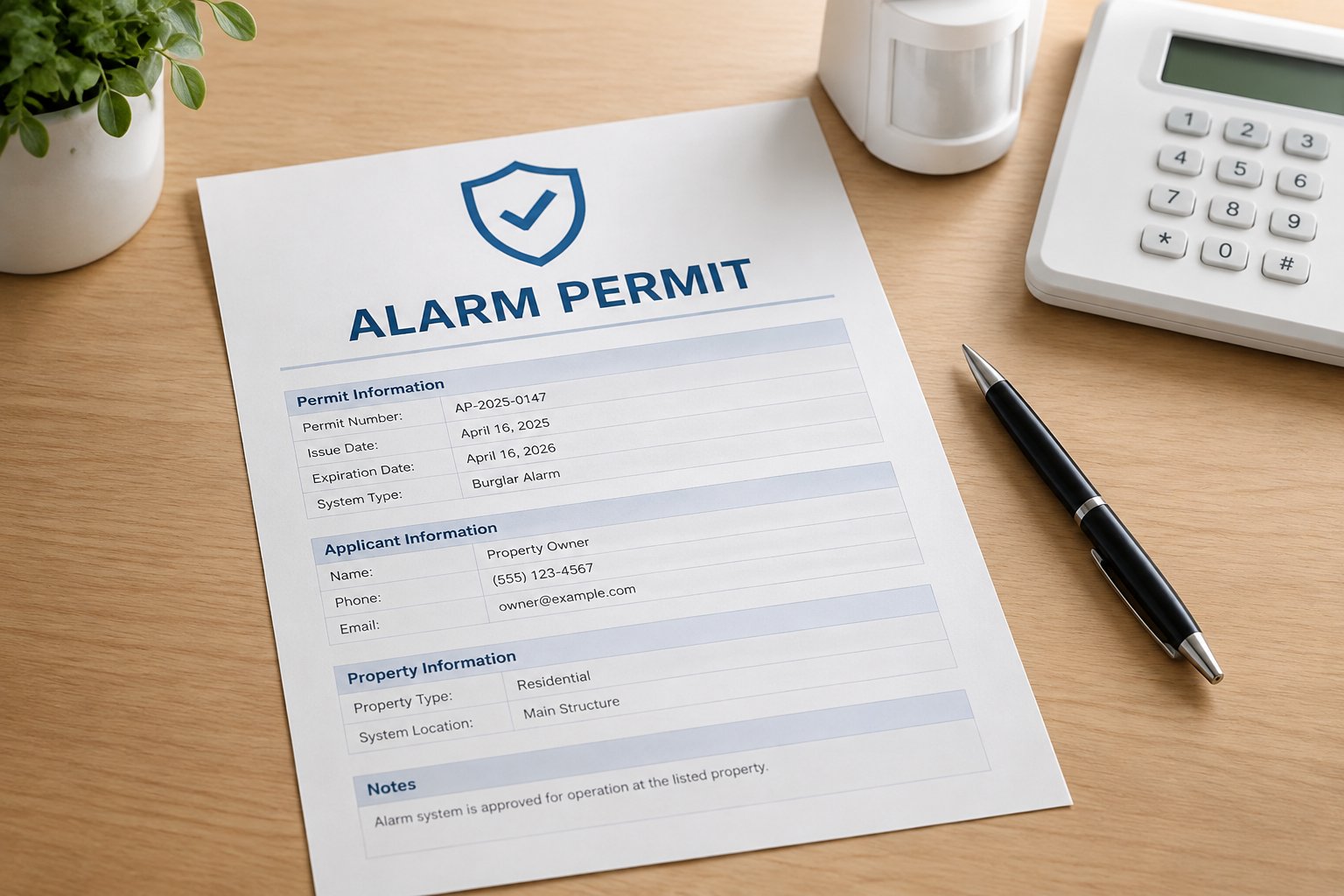
Do I need a permit for a commercial alarm in Houston?
Yes. Monitored burglar and panic alarms inside Houston city limits need a city permit, and police may not respond without one.
What should I ask during the site visit?
Ask about licensing, monitoring, response times, integration options, equipment ownership and how service calls are handled.
Request Your Free Estimate
Ready to get started? Request a free estimate or call 281-933-3900 to schedule your site visit. Learn more about our commercial security services.