When it comes to the safety of your home, a reliable security system is one of the best investments you can make. The best cellular home security systems give you real-time monitoring and instant alerts over a dedicated cellular connection, making them an excellent choice for protecting your property. Because they communicate over cellular networks, they stay connected even if your internet or phone line goes down, so your coverage is there when you need it most.
For homeowners in the greater Houston area, the strongest options pair dependable cellular communication with professional installation, 24/7 monitoring and responsive local support. With a cellular system you also gain remote access and control from your smartphone, so you can check on your home no matter where you are.
This guide explains how cellular systems work, the main types available and the features worth paying attention to, so you can choose a setup that fits your home and your lifestyle.
What Are Cellular Home Security Systems?
Cellular home security systems use mobile technology to provide reliable and responsive monitoring for your property. These systems are designed to enhance your home security while offering features that traditional systems may lack.
How Cellular Technology Powers Home Security
Cellular technology enables security systems to communicate with monitoring centers via mobile networks. With dedicated cellular connections, these systems do not rely on landlines, making them less vulnerable to tampering.
You receive immediate alerts through your smartphone if your alarm is triggered. This real-time communication ensures that emergency services can be dispatched without delay. Cellular systems are especially useful in areas where internet connectivity may be unreliable, guaranteeing continuous protection.
Benefits Over Traditional Home Security Systems
Cellular home security systems offer several advantages compared to traditional options. They are less susceptible to outages caused by weather, technical issues, or power failures.
Additionally, there are no wires to cut or cables to damage, making it harder for intruders to disable the system. The flexibility of cellular systems allows for quick installation and relocation, which is ideal if you move.
You also have the potential to integrate smart home security features, providing more comprehensive control over your home.
Key Components of a Cellular Home Security System
A well-equipped cellular home security system typically includes the following components:
- Control Panel: This is the brain of your system, allowing you to manage settings and receive alerts.
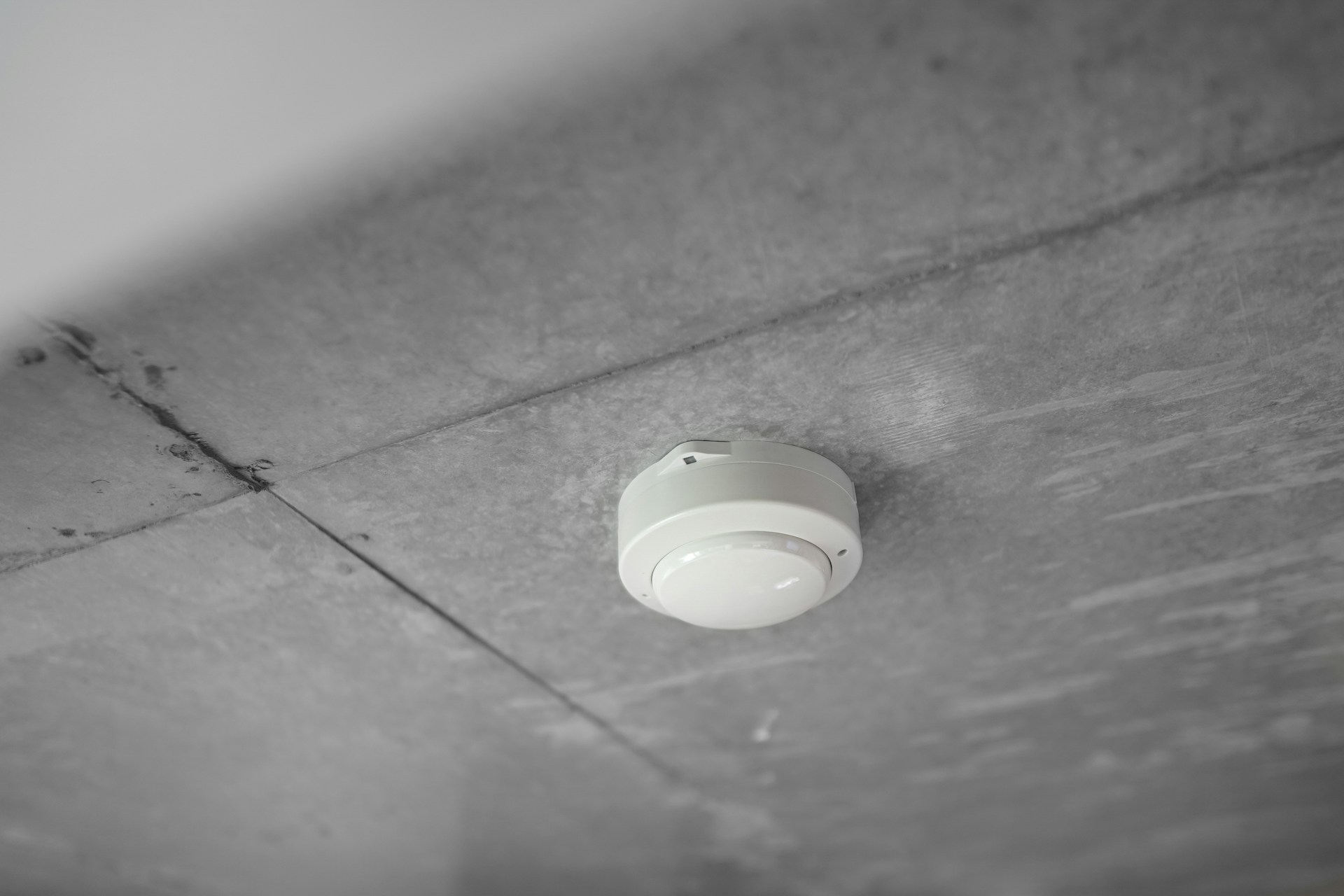
- Sensors: Motion detectors and door/window sensors trigger notifications if unauthorized access occurs.
- Cameras: Many systems feature cameras that provide real-time video feeds to your device.
- Smartphone App: You can access your security system from anywhere, enabling remote management.
- Keypads or Remotes: For convenience, these enable you to arm and disarm the system quickly.
These components work together to keep your home secure, whether you are at home in Houston or traveling elsewhere.
Top Cellular Home Security System Options
Rather than comparing brand names, it helps to understand the main types of cellular home security systems and what each one is good at. Most homes fall into one of the setups below, and many combine more than one.
Professionally Installed and Monitored Systems
A professionally installed system is designed around your home’s layout, with sensors, keypads and cameras placed where they will do the most good. The control panel uses a built-in cellular communicator to send alarm signals to a 24/7 monitoring center, where trained operators can verify the alarm and dispatch help.
Professional-grade platforms such as Alarm.com, paired with panels from Qolsys, 2Gig, DMP and Honeywell, let you control your alarm, cameras, locks and lights from one app. Because a technician tests every device before handover, you know the system works as intended from day one.
Key features include:
- Dedicated Cellular Communication: Alarm signals reach the monitoring center without relying on a landline or home Wi-Fi.
- Custom Design: Coverage planned for every entry point and living area.
- Professional Monitoring: Trained operators watching for alarms around the clock.
- Ongoing Service: One local team to call for repairs, upgrades and questions.
This approach suits homeowners who want strong protection without having to manage the system themselves.
Self-Monitored Systems
Self-monitored systems send alerts to your phone, and it is up to you to decide what to do next. They can be a starting point for smaller homes or apartments, but they depend on you seeing the notification and responding in time.
If you are asleep, in a meeting or out of signal range, an alert may go unanswered. That is the main trade-off compared with a professionally monitored system, where someone is always watching.
Things to keep in mind with self-monitoring:
- Response Depends on You: No one contacts emergency services on your behalf.
- Connectivity Matters: Some systems rely on Wi-Fi and only use cellular as a backup.
- Upgrade Path: Check whether professional monitoring can be added later.
Self-monitoring offers basic awareness, while professional monitoring adds a real response when something goes wrong.
Video Doorbells and Camera-Focused Setups
Video doorbells and cameras let you see who is at your door, watch package deliveries and keep an eye on your yard. Live video and two-way talk make it easy to speak with visitors from anywhere.
On their own, cameras record what happens but do not always trigger a response. They work best when tied into an alarm system and monitoring, so a verified event can lead to action.
What to look for in a camera setup:
- Clear Day and Night Video: High resolution and good night vision.
- Smart Alerts: Notifications that distinguish people and vehicles from other movement.
- Video Verification: Monitoring operators can view clips to confirm an alarm before dispatching help.
Adding cameras to a monitored alarm gives you both eyes on your property and someone ready to respond.
Wireless and Wire-Free Cameras
Wireless cameras use Wi-Fi or cellular connections to send video, which makes them easier to place in spots where running cable is difficult. Battery-powered models need regular charging, while hardwired power gives you continuous recording.
Professional camera lines from manufacturers such as Axis and Hanwha offer high-definition video, night vision and two-way audio, and they can be connected to the same app you use for your alarm.
Important features include:
- Weatherproof Design: Suitable for Houston heat, humidity and storms.
- Flexible Storage Options: Choose cloud or local recording for your footage.
- Smart Alerts: Receive notifications for detected motion or sound.
The right camera mix depends on your property, so it pays to have a professional walk the site before you buy.
Essential Features of the Best Cellular Home Security Systems
When selecting a cellular home security system, certain features make a real difference to how well it protects you. These are the essentials to look for in any strong security solution.
Battery Backup and Power Solutions
Battery backup is important for maintaining a home security system during power outages. Systems with built-in battery solutions ensure that your security remains operational, providing uninterrupted protection. Look for systems that offer at least 24 hours of battery life, allowing ample time for restoration of power.
The best control panels use rechargeable backup batteries that charge automatically while the power is on. Reliable power backups mean that your alarms and sensors keep working during an outage, keeping your home secure around the clock.
Professional Monitoring and Agreement Terms
Professional monitoring adds an extra layer of security to your home. When an alarm is triggered, trained operators are alerted immediately and can verify the event and contact emergency services for you.
Before you sign up, ask about agreement terms, what happens if you move, and whether the company can take over monitoring of equipment you already have. Look for monitoring that includes clear emergency response procedures and video verification, so action is taken quickly during critical situations.
Motion Detection and Motion Sensors
Effective motion detection is key to identifying potential intruders before they reach your home. High-quality motion sensors should be part of any cellular security system. They utilize advanced technology to differentiate between pets, people, and other movement, reducing false alarms.
Look for systems that offer customizable sensitivity settings, allowing you to adjust the detection range according to your environment. Additionally, integrate your motion sensors with your alarm system for a cohesive security approach, ensuring comprehensive coverage throughout your property.
Smart Home Integration and Mobile Control
Modern home security systems prioritize smooth integration with smart home devices and allow you to control your security features from your smartphone. This functionality enhances convenience and increases your home's safety. Here’s what you need to consider.
Phone App and Remote Access
Having a dedicated phone app is essential for effective security management. These apps provide remote access, allowing you to monitor your home in real-time from anywhere. You can view live camera feeds, receive alerts, and arm or disarm your system.
Look for apps that offer user-friendly interfaces and strong features. Notifications for unusual activity and the ability to adjust settings on the go add real value, especially when one app controls your alarm, cameras and door locks together.
Compatibility With Smart Home Devices
Ensuring your security system is compatible with various smart home devices enhances its functionality. Many professional systems work with smart lights, smart locks, thermostats and popular voice assistants.
This compatibility allows for automated routines. For example, you can set lights to turn on automatically when the security system is armed. Such integrations create a comprehensive, connected home environment that further secures your property.
Video Doorbell and Cloud Storage
Integrating a video doorbell into your home security system adds an extra layer of protection. These devices let you see and interact with visitors from your phone, even when you’re not home.
Cloud storage is also vital. It allows you to save recorded footage from your security cameras and video doorbells for later review. This feature ensures that you don’t miss any critical events, and you have access to evidence if needed.
Make sure you choose a system that offers enough storage to suit your needs. Being able to go back through video history can be invaluable for the safety of your home and for any police or insurance report.
Additional Considerations for Choosing a Cellular Home Security System
When selecting a cellular home security system, understanding reliability and flexibility is important. Here, we’ll explore the importance of managing false alarms and how adaptable systems can meet your unique security needs.
False Alarms and System Reliability
False alarms are a significant concern for home security systems. They can lead to unnecessary stress and even penalties from local authorities. Choosing a system that minimizes these issues is essential.
Look for systems equipped with advanced sensors to reduce the likelihood of false triggering. Features such as motion detection algorithms can differentiate between a pet and a person, which helps in preventing false alarms.
Additionally, reliability is critical. You want a system that ensures consistent protection. Opt for equipment with a solid warranty and good customer reviews. Systems with built-in cellular backup will function even during power outages, providing an extra layer of reliability for your home.
Flexibility for Unique Needs (e.g., Camping)
A cellular home security system should offer flexibility for your lifestyle. If you enjoy camping or have vacation properties around the Houston area, choose a system that can be easily relocated or adjusted to suit your needs.
Some systems provide options for remote monitoring and controls via smartphone apps. This feature allows you to manage security settings from anywhere. You can easily check in on your property or even monitor home security cameras while you are away.
Look for modular systems that let you add or remove devices as needed. This adaptability ensures your security setup can evolve with your changing lifestyle, making it more effective for a range of situations.
Frequently Asked Questions
When considering cellular home security systems, you may have various questions regarding their performance, features, and service models. This section addresses common inquiries to help you make informed decisions about your home security options.
What are the top-rated home security systems that use cellular networks?
The top-rated cellular home security systems share a few traits: a dedicated cellular communicator, professional installation, 24/7 monitoring, a reliable mobile app and responsive local service. Compare providers on those points, and ask how they handle alarm verification and repairs.
How do cellular home security systems communicate?
Some cellular systems allow self-monitoring, which means alerts go straight to your phone without a monitoring plan. The trade-off is that you are responsible for responding to every alert, and no one will contact emergency services on your behalf if you miss one.
Is a self-monitored home security system that relies on cellular technology a good option?
A self-monitored cellular system can work for a small home or apartment if you are confident you will always see and act on alerts. For most families, professional monitoring is the safer choice, because trained operators respond around the clock even when you cannot.
Which home security systems offer the best performance?
Standalone systems usually offer local alarms and phone alerts, but features like professional monitoring, video verification and extended video storage typically require a service plan. Think about which of those features matter most for your home before deciding.
What features should I look for in a high-quality cellular security camera?
When selecting a cellular security camera, focus on features such as high-resolution video, night vision, two-way audio, and cloud storage options. Additionally, make sure the camera has a reliable cellular connection and easy integration with your existing security system.
Which home security systems are considered the most reliable by professionals?
Security professionals tend to favor systems built on commercial-grade equipment, installed and tested by licensed technicians, with cellular communication and 24/7 monitoring. A local provider that can service the system quickly is just as important as the hardware itself.
Get a Cellular Home Security System in Houston
Alarm Masters is a family-owned company that has protected Texas homes since 1990. We design, install and monitor home security systems with cellular communicators, live video and one app for your alarm, cameras and locks, and we can often take over monitoring of a system you already own. Request a free estimate or call 281-933-3900 to find the right setup for your home.