.svg)
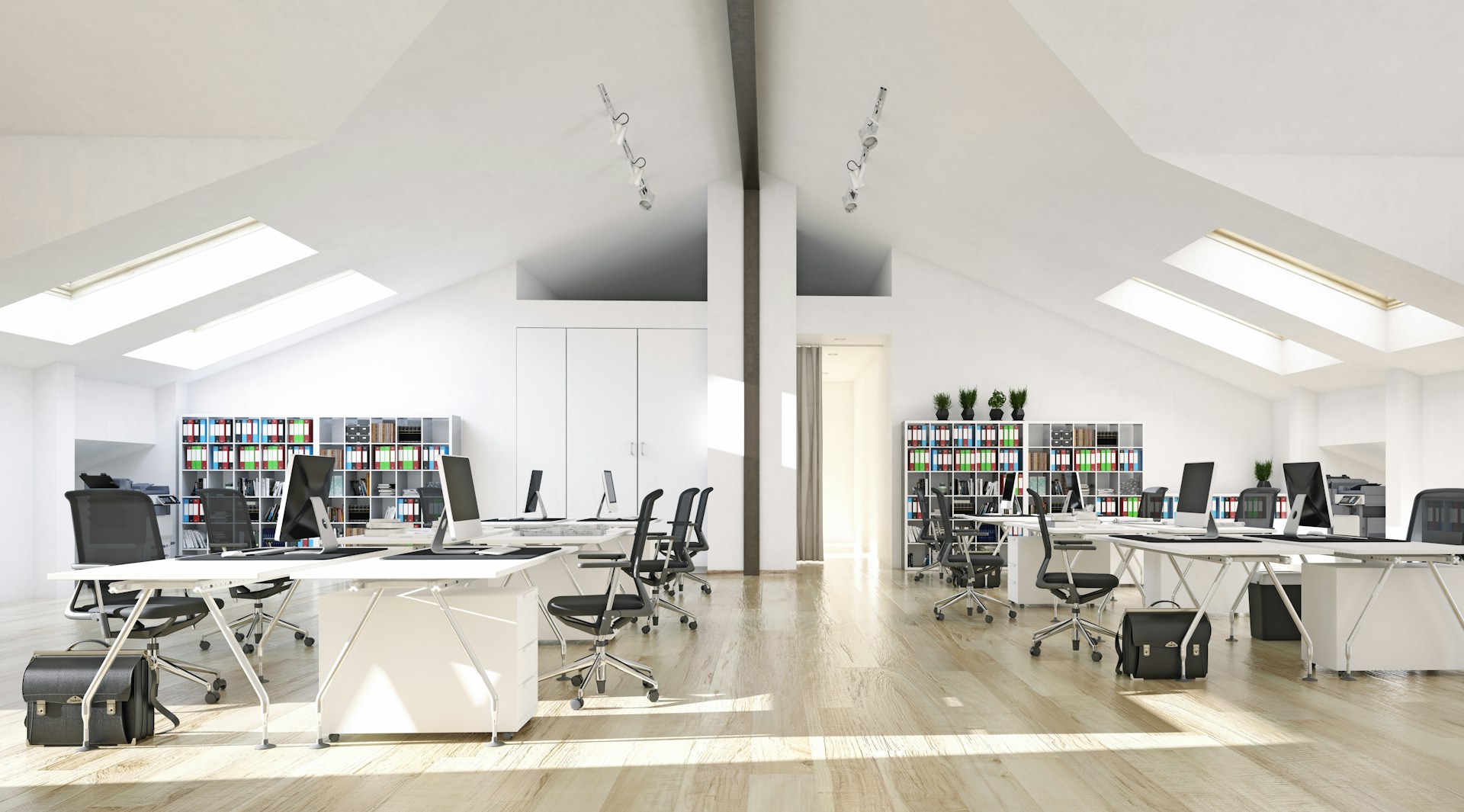
Planning the cost of an office building security system can feel overwhelming. Prices vary widely, and it is hard to know what you actually need versus what you are being sold. Most business owners want clear numbers and reliable protection without overspending.
At Alarm Masters, businesses across Texas get licensed, code-compliant systems with a 48-hour turnaround. The focus stays on practical solutions that match your building, risk level, and budget without unnecessary complexity.
This guide breaks down real costs, key factors, and smart ways to plan your system. You will learn what drives pricing and how to invest confidently in the right level of security.
Key Factors Affecting Office Building Security System Cost
How much you'll shell out for an office building security system depends on your building's size, how fancy you want the tech to be, and your actual security needs. These three pieces pretty much set your final price tag.
- Building Size and Layout
Your building's square footage plays a big role in determining how many security devices you need. A small office under 5,000 square feet might get by with 4-6 cameras and a handful of access points. But a 50,000 square foot building? You could need 20-30 cameras plus a bunch of sensors and card readers.
If your building has multiple floors, wings, or a maze-like layout, expect to need more equipment and longer cable runs. You'll probably need extra network gear to tie it all together. Labor costs climb fast when installers have to work across several levels or snake wires through tricky spaces.
Open floor plans tend to be cheaper to secure than offices full of individual rooms. Each private office or storage closet needs its own coverage, which means more gear and extra installation time.
- System Complexity and Integration
Simple setups with just cameras and basic door locks cost a lot less than integrated systems that link video, access control, and alarms. When everything talks to each other, you get better security, but you'll pay for the extra hardware and programming.
Common integration levels:
- Basic: Just cameras and door locks ($2,000-$8,000)
- Intermediate: Connected cameras with cloud storage and mobile alerts ($8,000-$20,000)
- Advanced: Fully integrated platform with AI analytics and automated responses ($20,000-$100,000+)
If your system needs to tie into your existing IT network or building management, things get trickier and pricier. You might need special servers, more software licenses, and ongoing tech support.
- Security Requirements
Your industry and risk profile shape what security features you actually need. Medical offices have to follow HIPAA rules. Financial firms deal with even tighter access control standards. These compliance requirements definitely add to your costs.
High-risk locations need advanced features like thermal cameras, license plate readers, or biometric access controls. Most regular offices can get away with basic card readers and standard cameras. Monitoring level matters too. 24/7 professional monitoring can run $40-$200 per month, while self-monitoring usually stays under $20 monthly.
Learn the types of burglar alarms and understand the different options.
Types of Office Building Security Systems
Office security systems generally fall into three main buckets: access control, video surveillance, and alarm systems. They all work together to keep your property safe.
Access Control Systems
Access control systems decide who gets in your office building and which areas they can enter. These systems use key cards, fobs, PIN codes, or biometric scanners like fingerprints or facial recognition. You can set up different access levels for employees based on their jobs.
Modern access control systems connect to cloud-based software, so you can manage permissions from anywhere. Need to remove someone's access? It's instant, no need to change locks. That saves money and headaches when staff come and go.
Most systems track entry and exit times, creating a digital log of building activity. This info helps with investigations and can sync with your payroll system. You'll get alerts if someone tries to open a restricted area. A basic access control setup for a small office starts around $1,500. Bigger buildings with multiple entry points can hit $10,000 or higher.
Video Surveillance Solutions
Surveillance cameras record what's happening inside and outside your building. You can choose dome cameras for indoors, bullet cameras for outdoor spots, and PTZ (pan-tilt-zoom) cameras for wide coverage.
Most systems these days offer HD video and night vision. Cloud storage lets you check footage from your phone or laptop anytime. Motion detection is handy. It only records when something moves, so you don't waste storage.
Some cameras even use AI to spot threats like unauthorized people or odd behavior. You'll get instant alerts if someone moves around in a restricted area after hours. How many cameras you need depends on your building's size and shape. Cover all entry points, parking lots, and sensitive spots like server rooms or inventory storage.
Alarm and Intrusion Detection
Alarm systems catch unauthorized entry through doors, windows, and other access points. Sensors set off loud alarms and send alerts to monitoring services or straight to your phone. You can arm or disarm with a keypad, app, or key fob.
Door and window sensors use magnets that trigger when separated. Motion detectors spot movement using infrared. Glass break sensors pick up the sound of breaking windows.
Professional monitoring services watch for alarms 24/7 and call emergency services if needed. Self-monitored systems cost less but put the responsibility on you to respond. Some businesses go for a mix. Professional monitoring after hours, self-monitoring during the workday.
Linking your access control and alarm systems helps prevent false alarms when authorized staff come in. You can also connect alarms to video surveillance so cameras start recording the moment a sensor trips.
Detailed Breakdown of Costs
Security system costs for office buildings break down into four main buckets: equipment, software, installation, and ongoing maintenance. Each part affects your total spend in its own way, depending on your building and your needs.
Hardware Expenses
Cameras usually make up the biggest chunk of hardware costs. Professional-grade cameras run $100 to $500 each. The bigger your space and the more doors and windows, the more cameras you'll need.
Door access control systems cost $400 to $1,500 per door. That includes card readers, magnetic locks, and control panels. Motion sensors and glass break detectors add $25 to $200 each.
A main control panel usually runs $300 to $800. You might also need:
- Alarm keypads: $50-$150 each
- Door and window sensors: $20-$50 per sensor
- Video storage devices: $200-$1,000
- Backup batteries: $50-$300
Most office buildings spend $2,000 to $10,000 on hardware alone. A 5,000 square foot office typically needs 8-12 cameras and 3-5 access-controlled doors.
Software and Licensing Fees
Video management software runs $50 to $200 per camera per year. Some companies charge per user instead, with fees from $20 to $100 monthly per login.
Access control software needs its own license. Expect to pay $500 to $2,000 upfront, plus $200 to $800 yearly for updates and support. Cloud-based systems often charge $30 to $100 monthly per door.
Mobile app access is usually included, but premium features like advanced analytics or AI detection can tack on $10 to $50 per camera per month.
Installation Charges
Professional installation costs $80 to $200 per hour for licensed techs. A typical office setup takes 16 to 40 hours to wire and configure. Simple installs with 5-8 cameras cost $800 to $2,000 in labor. More complicated jobs with integrated access control and multiple zones can reach $5,000 to $15,000.
Installation gets pricier if you need:
- New cables run through walls or ceilings
- Equipment mounted on high or outdoor surfaces
- Systems connected to existing network infrastructure
- Multiple user access levels programmed
Some companies throw in free installation if you sign a long-term monitoring contract.
Ongoing Maintenance
Monthly monitoring ranges from $30 to $150 for basic plans. This covers 24/7 professional monitoring and emergency response. System upkeep usually costs $200 to $600 a year. Maintenance includes software updates, cleaning cameras, and testing sensors and alarms.
Plan to replace equipment every 5-7 years. Cameras and card readers in high-traffic spots wear out faster. If you store video in the cloud, expect $10 to $50 monthly per camera, depending on how long you keep footage.
Service contracts that cover repairs and parts replacement add $300 to $1,200 annually, but they can save you from big repair bills down the road.
Cost-Saving Tips for Security System Installation
With a little planning and some smart choices, you can cut your initial investment by 30-50% and still keep your office building safe.
Choosing Scalable Solutions
Starting small and expanding later is a solid way to save on upfront costs. Maybe you just put cameras at the main entrances and reception first, then add more as your budget allows.
Many modern systems let you add components over time without swapping out everything. This way, you can spread expenses across a couple of years instead of paying all at once.
Wireless systems are worth a look. They cost less to install since you don't have to run cables everywhere. Sometimes installation fees drop from $2,000-$5,000 to under $1,000 with wireless setups.
Cloud-based systems make scaling up even easier. You can add users, cameras, or doors with a software update; no new hardware required.
Bundling Security Services
Buying multiple security services from one provider usually cuts your monthly bill by 15-25%. Most companies offer package deals that combine video, access control, and alarm monitoring for less than buying each separately.
You’ll save on installation, too. Having one tech handle everything is just more efficient. Instead of paying $500-$1,000 per system, bundled installation might be $800-$1,500 total.
Bundling makes managing your security simpler. One bill, one point of contact, one dashboard to check. That’s less hassle and less chance of missing something important. If you’re open to a long-term contract, ask about bundled discounts. Committing to 3-5 years can knock another 10-20% off your monthly monitoring fees.
Budgeting and Planning for Office Security
Building a security budget is a balancing act. You want to cover your immediate safety needs, but you also have to plan for long-term costs.
Assessing Security Needs
Start by figuring out your building's weak spots and what kind of security you actually need. Walk through your office and look for entry points, high-value areas, and any blind spots that need a closer eye. Think about how many employees you have, how often visitors come by, your hours of operation, and what assets you’re protecting.
Consider both your current and future needs. A small office might just need basic door sensors and a few cameras, but bigger spaces could require access control, monitoring stations, and advanced surveillance. Are you dealing with sensitive data, valuable inventory, or operating in a sketchy area?
Key things to look at:
- How many entry points do you have
- Building size and layout
- Employee and visitor traffic patterns
- Value of your assets and equipment
- Local crime stats
- Compliance requirements for your industry
You’ll also want to weigh preventive versus reactive security. Preventive tools like badges and motion sensors can stop problems before they start. Reactive measures like alarm monitoring and video recording help you act fast if something does go wrong.
Forecasting Long-Term Expenses
Your security budget really boils down to two main categories: operating costs and capital costs. Operating expenses cover things like monthly monitoring fees, maintenance contracts, and staff salaries.
Capital costs, on the other hand, involve major equipment purchases and installation, stuff that sticks around for several years. Monthly monitoring services can run anywhere from $50 to $300. It all depends on how complex your system is and what kind of response you need.
You'll need to plan for regular maintenance, software updates, and swapping out equipment every 5 to 7 years. No one loves surprise expenses, right?
Typical ongoing costs include:
- Monitoring service fees
- Maintenance and repair contracts
- Software licenses and updates
- Replacement parts and batteries
- Staff training programs
- System upgrades and expansions
Don't overlook hidden costs. Electricity for cameras and sensors, cloud storage for video footage, and even potential insurance premium changes can sneak up on you. Setting aside 15-20% of your initial installation cost each year for maintenance and upgrades is a smart move. It helps keep those budget surprises to a minimum.
Making Smart Security Investments for Your Office
Understanding the cost of your office building security system comes down to knowing your needs, your building, and your risks. When you focus on the essentials first, you avoid overspending and still protect what matters most.
Alarm Masters delivers licensed, fast, and fully integrated security solutions designed around your business. You get clear pricing, compliant installations, and systems that scale as you grow.
Ready to secure your office without the guesswork? Get a free estimate.
Frequently Asked Questions
How Much Does An Office Building Security System Cost?
The office building security system cost typically ranges from $1,000 to $10,000 for basic setups. Larger or more advanced systems can exceed $50,000, depending on building size, features, and integration needs.
What Factors Affect Security System Pricing The Most?
The biggest cost drivers include building size, number of entry points, system complexity, and required features like access control or video surveillance. Labor and installation difficulty also impact the final price.
Is Monthly Monitoring Required?
No, but many businesses choose it for added protection. Professional monitoring usually costs between $30 and $150 per month, while self-monitoring is more affordable but requires you to respond to alerts.
What Is Included In A Typical Security System?
Most systems include cameras, access control devices, and alarm sensors. More advanced setups may add cloud storage, mobile alerts, and system integration for centralized control.
How Can I Reduce My Security System Costs?
You can lower costs by starting with essential coverage, choosing scalable systems, and bundling services. Wireless and cloud-based options can also reduce installation and equipment expenses.
How Long Does A Security System Last?
Most equipment lasts 5 to 7 years with proper maintenance. Regular updates and service help extend system life and keep performance reliable.
Do I Need Access Control For My Office?
Access control is highly recommended if you want to manage who enters specific areas. It improves security, tracks activity, and eliminates the need to change locks when staff changes occur.
Is A Custom Security System Worth The Investment?
Yes, a custom system ensures you only pay for what your business actually needs. It also allows your security setup to grow with your company over time.



.svg)


.svg)