.svg)
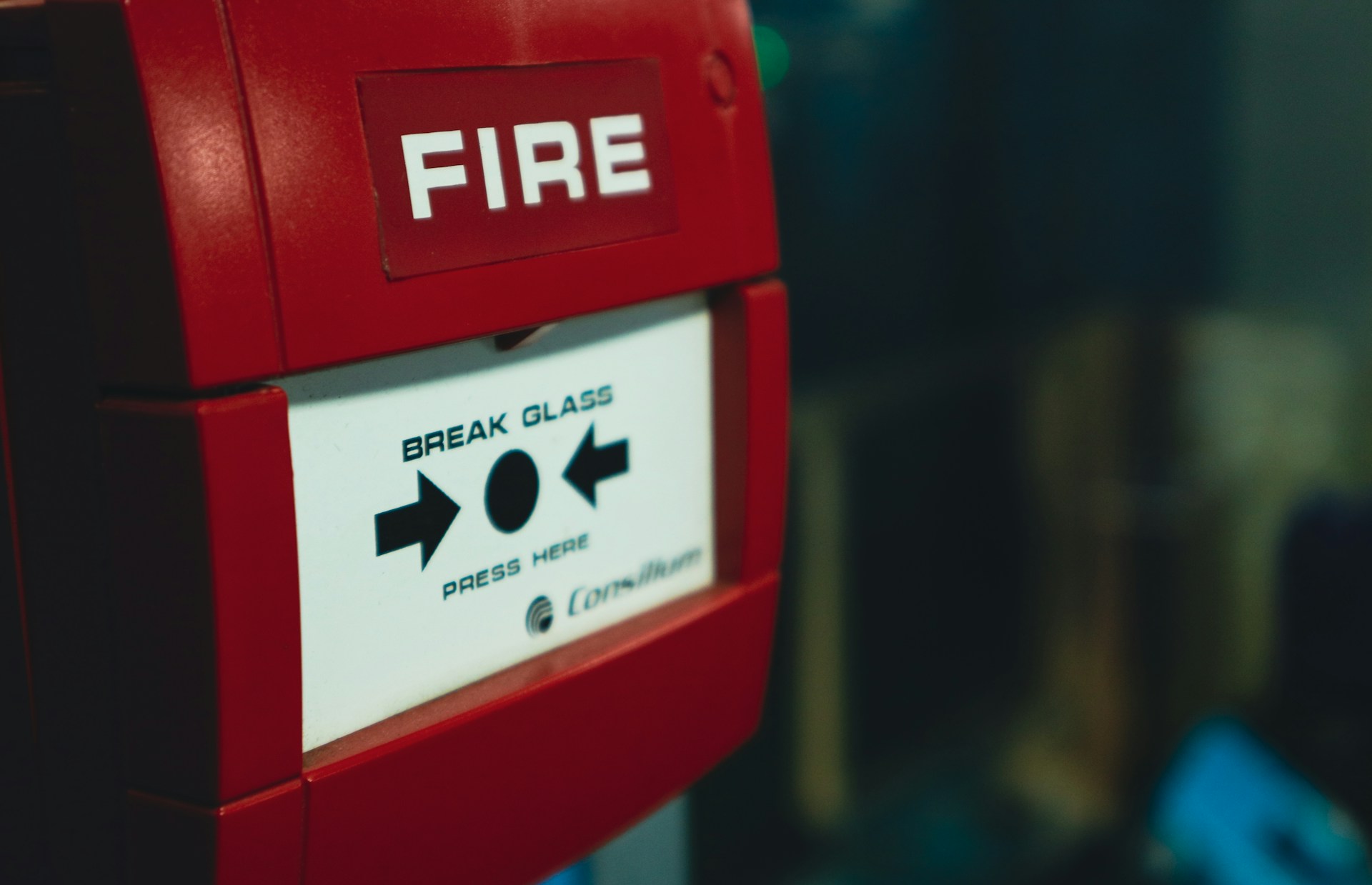
If you've been looking into fire safety upgrades, you've probably wondered how reliable wireless fire alarm sounder systems are. It's a fair question, and one that comes up often when property owners start weighing their options.
The technology behind these systems has changed dramatically over the past decade. Encrypted radio signals, self-monitoring networks, and automatic battery alerts have addressed many of the early concerns people had about wireless fire alarms.
That means the gap between wireless and wired is much narrower than it used to be. At Alarm Masters, we've seen firsthand how well-designed wireless systems perform in buildings where running cable simply isn't practical.
This guide walks you through everything you need to know, from signal technology to compliance standards, so you can make a confident decision about your fire safety setup.
How Reliable Are Wireless Fire Alarm Sounder Systems?
Modern wireless fire alarm systems have earned their place as a genuinely reliable option. Their performance depends heavily on the quality of equipment you choose and how the system is set up from day one.
What Makes A Sounder System Dependable In Practice
A reliable wireless fire alarm starts with the technology at its core. Today's systems use encrypted radio signals that constantly self-monitor, meaning the control panel knows right away if a device loses contact.
That's different from early wireless setups, where a dead device could go unnoticed for days. Dependability also comes down to supervision.
A good wireless fire alarm system sends regular check-in signals between devices and the panel, often every few seconds. If a signal is missed, the system flags it as a fault rather than waiting for an emergency to reveal the problem.
That kind of built-in accountability is what separates a reliable wireless fire alarm from a basic consumer product.
How They Compare With Wired Setups In Real Buildings
Wired fire alarm systems have a long track record, and their direct connections eliminate certain wireless-specific concerns, such as signal interference. Conventional fire alarm systems come with their own vulnerabilities, including cable damage, corrosion at connection points, and the cost and disruption of running wire through finished spaces.
In practice, a well-installed wireless system performs comparably to a wired one in most building types. Where wireless genuinely pulls ahead is in flexibility.
You can add or relocate devices without tearing into walls, which makes system-wide changes far less disruptive. For properties where retrofitting a wired fire alarm system would require significant structural work, wireless systems often deliver better long-term reliability simply because they are installed correctly the first time.
The Technology That Keeps Signals Moving
The dependability of wireless fire alarm sounders comes down to three specific technologies: how devices communicate, how they avoid interference, and how they respond when a primary signal path is disrupted.
How Wireless Sounders Communicate During An Alarm
When a detector triggers an alarm, the fire alarm sounder system must deliver the signal to every sounder in the building almost instantly. Wireless sounders do this by transmitting encrypted radio signals to the control panel, which then sends activation commands to all connected devices simultaneously.
The entire sequence happens in seconds, with no physical cable required between the panel and each sounder. These signals travel on specific radio frequencies, commonly in the 433 MHz or 868 MHz ranges.
Choosing the right frequency for your environment matters, especially in buildings with a lot of competing wireless equipment nearby.
Why Frequency Hopping And Mesh Networking Matter
Two technologies make modern wireless fire alarm sounders far more dependable than older designs: frequency hopping and mesh networking. Frequency hopping means the system automatically shifts between radio channels if it detects interference, so a crowded Wi-Fi environment or nearby equipment won't knock your fire alarm sounder offline.
Mesh networking allows devices to relay signals to one another rather than relying on a single direct path to the panel. If one wireless fire alarm sounder loses its direct connection, the signal routes through a neighboring device instead.
That kind of built-in flexibility is what makes mesh-based fire alarm sounder systems so well-suited to larger, more complex buildings.
Redundant Paths, Signal Integrity, And Cellular Backup
Signal integrity is maintained through continuous device supervision, in which each wireless sounder checks in with the panel on a regular schedule. Any missed check-in triggers a fault alert before it becomes a safety issue.
Redundant communication paths ensure that no single point of failure can silence the whole system. In critical applications, cellular backup adds another layer of protection.
If the primary radio signal is disrupted, a cellular connection can keep the panel communicating with monitoring services. That combination of redundant paths, supervised signals, and cellular backup is what allows wireless fire alarm sounder systems to meet the same performance standards as their wired counterparts.
Where Reliability Gets Tested In The Real World
Real-world performance depends on factors that don't appear in a product spec sheet, including how a building is laid out, how well batteries are managed, and where detectors are physically located.
Building Layout, Distance, And Obstructions
Every building creates its own signal challenges. Thick concrete walls, metal framing, elevator shafts, and large mechanical rooms can all weaken the radio signal between devices.
The larger and more complex a building, the more carefully the wireless network needs to be planned to maintain consistent coverage. Range limitations are real.
Most wireless fire alarm sounder systems have a rated device-to-device range, but that rating assumes open air. In a real building, the effective range often drops depending on the construction materials.
A professional site survey identifies dead zones before installation, so you don't discover coverage gaps during an actual emergency.
Battery Dependence And Long-Term Power Planning
Battery dependence is the most common concern people raise about wireless fire alarm systems. It's a legitimate one.
If batteries aren't replaced on schedule, a sounder can go offline without warning. That's why long-life lithium batteries have become the standard for professional-grade systems, with typical service lives of three to five years depending on the device.
Most quality systems include low-battery alerts that notify the panel well before a device fails. The key is to treat those alerts seriously and replace batteries promptly, rather than defer maintenance.
A consistent battery replacement schedule, tracked and managed by your service provider, is one of the simplest ways to maintain your system's reliability over time.
Smoke Detectors, Wireless Smoke Detectors, And Device Placement
Wireless smoke detectors rely on the same radio communication backbone as the rest of the system, so their placement affects both detection accuracy and signal quality. A wireless smoke detector positioned too close to an HVAC vent may generate false alarms.
One placed in a signal dead zone may not communicate reliably with the panel. Installation flexibility is one of the real strengths of wireless systems, but that flexibility needs to be used thoughtfully.
Placing smoke detectors based on detection performance, not just convenience, is what separates a well-designed system from one that causes problems down the road. Good placement accounts for ceiling height, airflow patterns, and proximity to other wireless devices to avoid signal congestion.
Why Installation And Maintenance Make Or Break Performance
Even the best wireless fire alarm systems underperform when they're installed carelessly or left without regular maintenance. The quality of the initial setup and the consistency of ongoing checks determine how reliably these systems perform when it counts.
Why Professional Installation Still Matters
Wireless fire alarm systems are easier to install than wired setups, but "easier" doesn't mean "anyone can do it." A professional installer understands how to position devices for maximum signal strength, configure supervision intervals correctly, and program the panel so that every sounder responds as it should.
Mistakes made during installation are often invisible until an emergency exposes them. A device installed just outside its reliable range may check in fine during quiet periods but drop its signal when the building is occupied and wireless traffic increases. Professional installation minimizes that risk from the start.
Site Surveys, Testing, And Ongoing Checks
A site survey before installation is non-negotiable for wireless fire alarm systems. During a survey, a technician maps the building, identifies potential interference sources, and determines optimal device placement.
After installation, commissioning tests verify that every device communicates with the panel and that all sounders activate correctly during a simulated alarm. Ongoing checks, typically scheduled annually or semi-annually, confirm that signal strength remains acceptable, batteries are healthy, and no new interference sources have been introduced.
When Wireless Is Better For Retrofits And Fast Upgrades
Wireless fire alarm systems genuinely outperform wired setups in retrofit situations. Adding fire protection to a historic building, a leased commercial space, or a property with finished interiors is far less disruptive when cable runs are not required.
You can add coverage to a new wing or floor without major construction. Speed is another real advantage.
A wireless system can often be commissioned in a fraction of the time a wired installation would take, which matters when you're working around an occupied building or a tight deadline. For retrofits and phased upgrades, wireless delivers practical reliability that wired systems simply can't match in terms of installation logistics.
Codes, Standards, And What Compliance Really Tells You
Compliance with recognized standards indicates that a system has been tested against real-world performance benchmarks, not just manufactured to a price point. NFPA 72 and the Radio Equipment Directive are the two frameworks most relevant to wireless fire alarm equipment used in the US market.
How NFPA 72 Supports System Design And Testing
NFPA 72 is the National Fire Alarm and Signaling Code, and it sets the performance requirements that all fire alarm systems in the US, including wireless ones, must meet. For wireless systems specifically, NFPA 72 requires that devices be supervised, meaning the panel must be able to detect a loss of communication with any device and generate a trouble signal.
The code also addresses signal transmission times, battery backup requirements, and testing protocols. A system that meets NFPA 72 has been held to a rigorous standard that covers real-world failure scenarios, not just ideal conditions.
When you're evaluating a wireless system, confirming NFPA 72 compliance is one of the most reliable ways to verify that it will perform under pressure.
What The Radio Equipment Directive Means For Wireless Equipment
The Radio Equipment Directive, commonly called RED, is a European standard that governs the radio frequency performance and electromagnetic compatibility of wireless devices. While it originates in the EU, many US-market products are tested to RED standards as well, since manufacturers often design for global distribution.
RED compliance indicates that the device has been evaluated for radio-frequency emissions and won't interfere with other critical equipment. In a fire alarm context, that matters because signal interference is a primary reliability concern for wireless systems.
Products that have passed RED testing have demonstrated controlled, predictable radio behavior.
What To Verify Before You Choose A System
Before committing to any wireless fire alarm system, verify three things. First, confirm NFPA 72 compliance and ask for documentation.
Second, check whether the devices carry third-party certifications from a recognized testing laboratory, such as UL listing. Third, ask the manufacturer or installer how supervision intervals are configured and what happens when a device fails to check in.
A reputable system will have clear, documented answers to all three. If a vendor can't provide certification documentation or explain how supervision works, that's a sign to keep looking.
Frequently Asked Questions
These answers cover the most common questions property owners ask when evaluating wireless fire alarm sounder systems for the first time.
Do wireless fire alarm sounders work well in larger commercial buildings?
Yes, wireless fire alarm sounders work well in larger commercial buildings when the system is properly designed with mesh networking and adequate device density. Mesh networking allows signals to route through multiple devices, so coverage extends across large or complex floor plans.
A professional site survey before installation is essential to identify any coverage gaps in advance.
What can interfere with the wireless signal between the panel and alarm sounders?
Thick concrete walls, metal framing, large HVAC equipment, and crowded Wi-Fi environments can all weaken the signal between a panel and its wireless sounders. Modern systems use frequency hopping to automatically avoid congested channels, which significantly reduces interference-related failures. A proper site survey identifies problem areas before they affect system performance.
How often do wireless fire alarm sounders need batteries replaced or maintenance?
Most professional-grade wireless fire alarm sounders use long-life lithium batteries that last three to five years depending on the device and how frequently it activates. The system will generate a low-battery alert well before a device fails, giving you time to schedule a replacement.
Annual or semi-annual maintenance visits are the standard for keeping the full system in reliable working order.
Are wireless fire alarm sounders as compliant with fire codes as wired systems?
Yes, wireless fire alarm sounders can be fully code-compliant when they meet the requirements of NFPA 72 and carry third-party certifications such as a UL listing.
NFPA 72 applies equally to wired and wireless systems and requires the same supervision, signal timing, and battery backup standards. Always ask for compliance documentation before purchasing or installing any system.
How can I reduce false alarms with wireless smoke and sounder devices?
Proper device placement is the most effective way to reduce false alarms with wireless smoke detectors and sounders. Avoid placing detectors near HVAC vents, cooking areas, or steam sources, since these environments trigger nuisance alarms.
Regular maintenance, including sensitivity testing and cleaning of detector chambers, also keeps false alarm rates low over the life of the system.
What should I look for when choosing a reputable wireless fire alarm system manufacturer?
Look for manufacturers whose products carry NFPA 72-compliant certifications and UL listings from recognized third-party testing laboratories. A reputable manufacturer will also publish clear documentation on supervision intervals, signal range, battery life, and frequency hopping capabilities.
Long track records in commercial installations and responsive technical support are practical signs of a company you can trust.
Reliable Fire Protection Starts With A Smarter System
Wireless fire alarm sounder systems give you a flexible and dependable way to protect your property while meeting modern fire safety standards.
At Alarm Masters, we provide licensed fire alarm solutions backed by more than 35 years of industry experience and a 48-hour turnaround commitment. You get white-glove support designed to help your building stay compliant, reliable, and easier to manage over time.
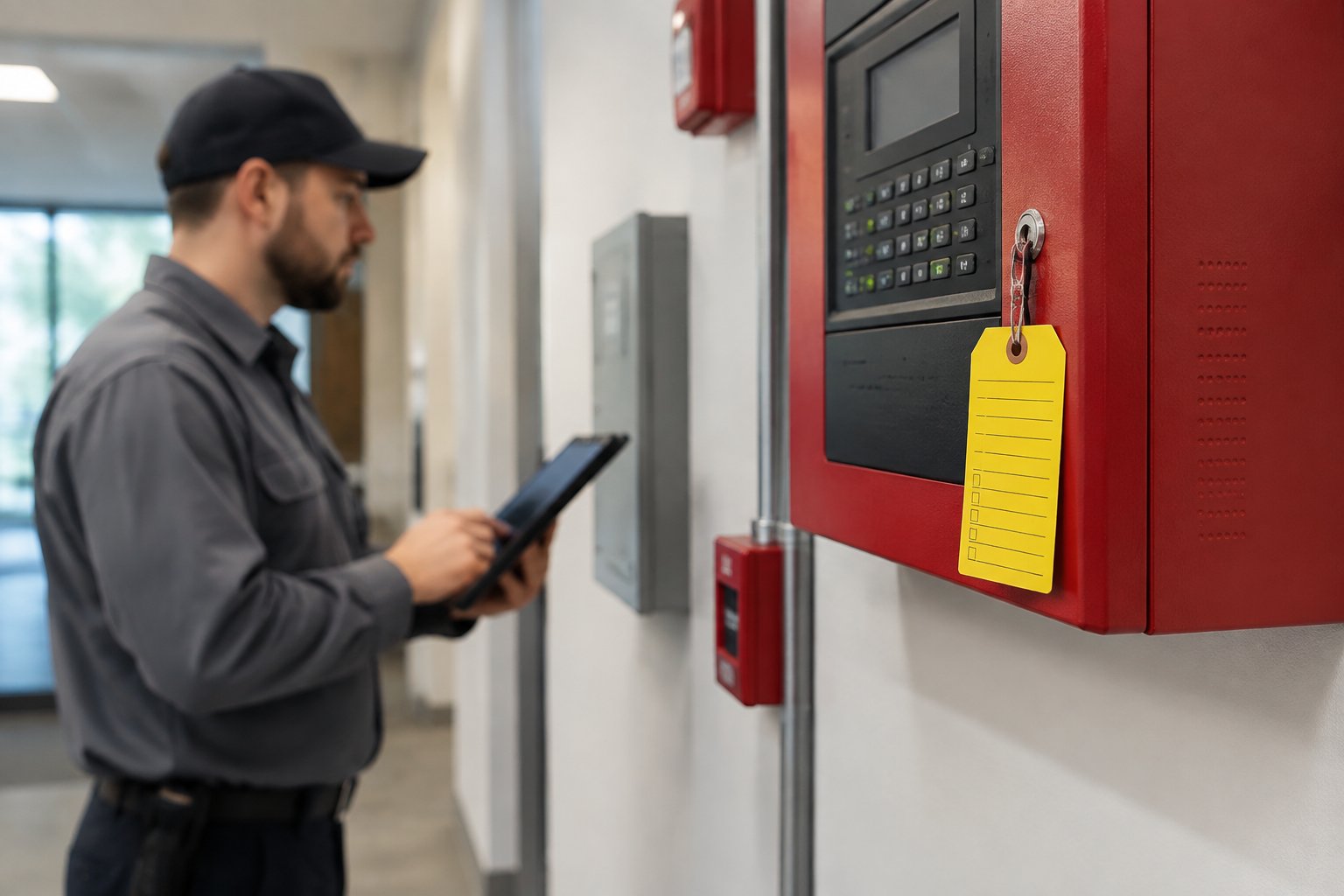
If you are planning a fire alarm upgrade or retrofit, choosing a properly supervised and code-compliant system helps you avoid unnecessary disruptions while improving coverage throughout your building. Book an inspection to get expert guidance and a system design that fits your property's layout and compliance needs



.svg)


.svg)