.svg)
Choosing the right fire alarm system is one of the most important safety decisions you can make for your building. Not every system works the same way, and picking the wrong setup can leave gaps in protection or create compliance headaches down the road.
Fire alarm systems fall into four main categories: conventional, addressable, wireless, and hybrid. Each one handles detection, communication, and alerting differently. The right choice depends on your building's size, layout, and risk level. At Alarm Masters, we see this play out on every project.
The difference between a well-matched system and a poorly matched one is significant. This guide walks you through the types of fire alarm systems, the components that make them work, and how to pick the setup that fits your situation.
The Main System Types And Where Each One Fits
Each system type has a distinct communication method, wiring structure, and detection capability. This makes each better suited for certain buildings than others:
- Conventional systems use simple zone-based wiring. Addressable systems identify individual devices.
- Wireless systems skip cabling entirely. Hybrid systems combine elements of more than one approach.
Conventional Systems For Smaller, Simpler Buildings
A conventional fire alarm system connects detectors and devices to the control panel using separate wired circuits. Each circuit covers a zone, so when an alarm triggers, the panel tells you which zone is affected but not which specific device activated.
This setup works well in smaller, simpler buildings like small retail shops, single-tenant offices, or storage facilities. The lower upfront cost makes it appealing, and installation is straightforward when the number of zones remains manageable.
For a 10-device setup in a single-story office, a conventional fire alarm is often the most practical choice. The trade-off is that fault-finding takes more time. When something goes wrong in a zone, you have to check every device on that circuit to find the source.
Addressable Systems For Pinpoint Accuracy
An addressable fire alarm system assigns a unique digital address to every device on the network. The control panel can identify exactly which smoke detector, heat detector, or manual call point triggered an alarm or reported a fault.
This pinpoint accuracy makes a real difference in larger or more complex buildings, such as hospitals, schools, and multi-floor commercial properties. One addressable loop can support 250 or more devices, reducing cabling compared to running separate circuits for each zone.
Reduced false alarms are another benefit, since the panel can distinguish between a genuine alert and a sensor fault. Addressable fire alarm systems cost more upfront, but the long-term savings in maintenance time and faster fault resolution often justify the investment.
Wireless Fire Alarm Systems For Retrofits And Hard-To-Wire Sites
A wireless fire alarm system uses radio frequency communication between devices instead of wired connections. This is the go-to option when running cables through walls or ceilings would be too disruptive or costly, such as in heritage buildings, occupied offices, or temporary structures.
Installation is faster and causes far less disruption to the building. The downside is that wireless fire alarm systems require regular battery replacements and occasional checks for signal interference.
For retrofits and phased projects where tearing into existing structures is not practical, wireless systems offer a reliable path to full fire protection.
Hybrid Systems For Expansion And Phased Upgrades
A hybrid fire alarm system combines conventional and addressable components in a single setup. This approach is common in buildings that already have a conventional system in place but need to expand or upgrade specific sections without replacing everything at once.
For example, you might keep the existing conventional wiring in older wings while adding addressable loops to a new addition. Hybrid fire alarm systems let you reuse existing infrastructure, keeping project costs down while improving performance where it matters most.
This makes the hybrid fire alarm a smart middle-ground option for phased construction, building expansions, or budget-conscious upgrades.
The Core Parts That Make These Systems Work
Every fire alarm system, regardless of type, relies on a set of core components that each serve a specific role in detecting danger and alerting occupants. From the control panel that processes every signal to the backup batteries that keep the system running during a power outage, each part must work reliably to protect people and property.
Control Panels And Fire Alarm Control Panels
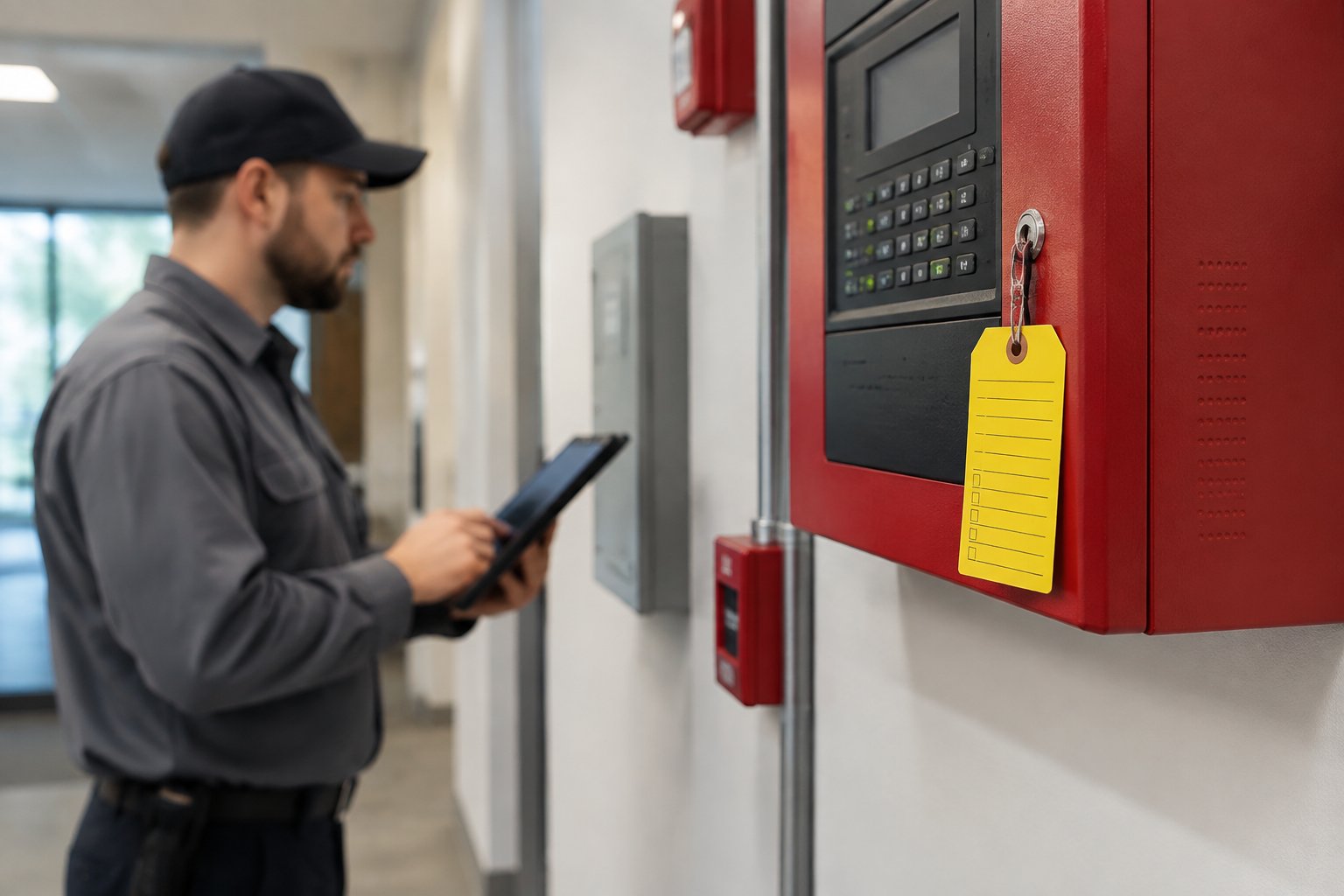
The fire alarm control panel, often called the FACP, is the brain of the entire system. It receives signals from all connected devices, processes them, and triggers the appropriate response, whether that is sounding an alarm, notifying a monitoring center, or activating connected systems like HVAC shutdowns.
Control panels range from simple zone-indicator boards for conventional systems to sophisticated addressable panels that display device-level status in real time. Choosing the right panel matters because it determines how much information you have during an emergency and how easily technicians can service the system.
Initiating Devices Such As Smoke, Heat, And Flame Detection
Initiating devices are the sensors that detect fire conditions and send a signal to the control panel. Smoke detectors, heat detectors, and flame detectors all fall into this category, and each one responds to a different physical sign of fire.
Smoke detectors are the most common choice for general occupied spaces. Heat detectors work better in areas where smoke is a normal part of operations, like commercial kitchens.
Flame detectors are used in high-risk industrial environments where open flames are the primary concern. Placing the right fire detector in the right location is one of the most practical decisions in any system design.
Manual Activation With Pull Stations And Call Points
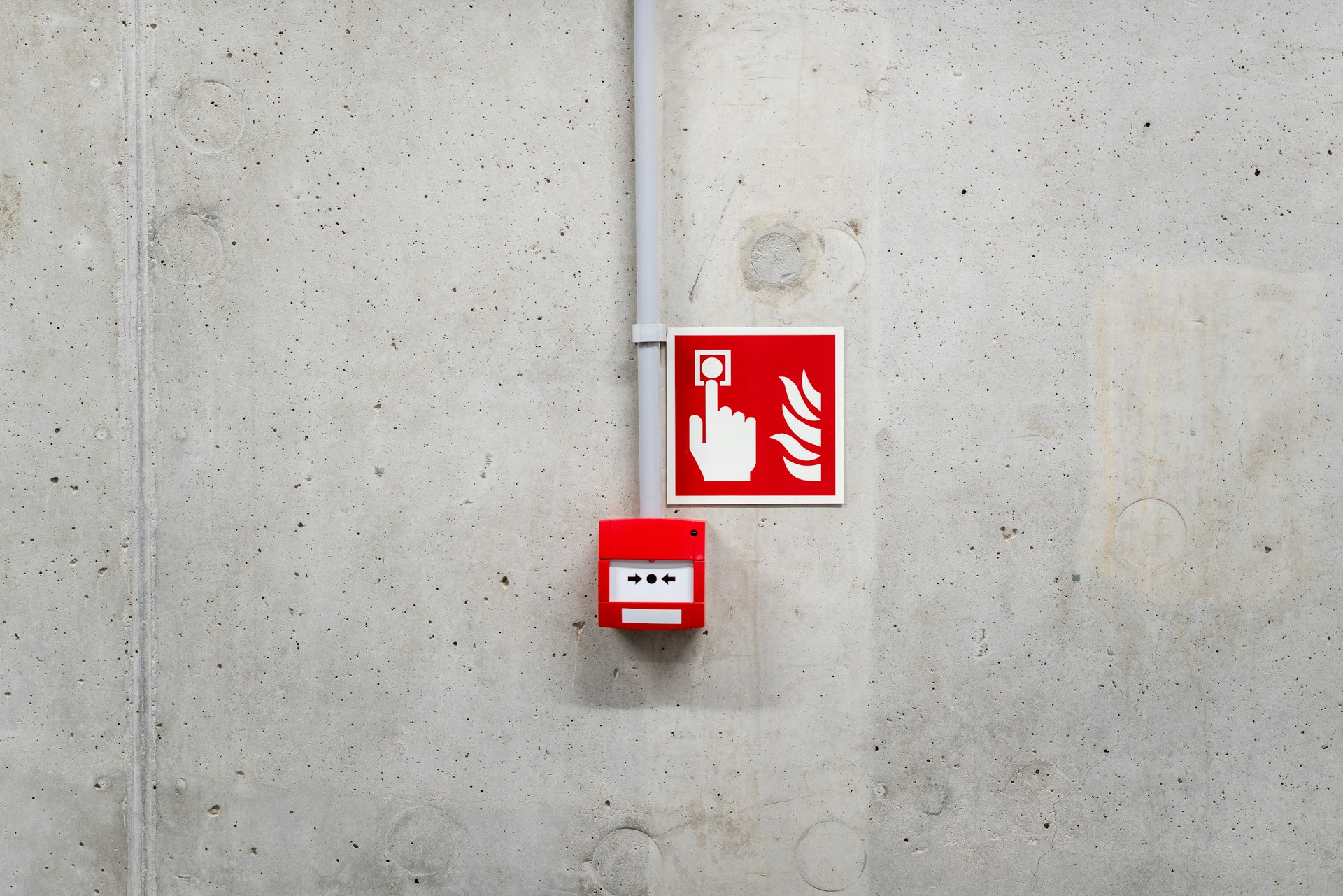
Manual pull stations and manual call points allow occupants to trigger the fire alarm system themselves when they spot danger. These devices are installed at exits, stairwells, and high-traffic areas so they are easy to reach in an emergency.
Pull stations are standard in commercial buildings across the US. They serve as a backup to automatic detection and provide an extra layer of protection when a sensor might not respond quickly enough.
Alarm activation through a manual pull station sends an immediate signal to the control panel just like any automatic device would.
Notification Appliances, Audible Alerts, And Visual Warnings
Notification appliances are what alert building occupants when the system activates. These include horns, bells, strobe lights, and voice evacuation systems that direct people to exits or provide specific instructions.
Audible alarms cover most situations, but visual alarms, such as strobe lights, are required in areas where occupants may have hearing impairments, as outlined in ADA and NFPA 72 guidelines. Voice evacuation systems are common in larger commercial buildings, where a simple tone might not provide sufficient guidance during a complex emergency.
Power Supplies, Backup Batteries, And Backup Power
Every fire alarm system needs a reliable power supply, and that means more than just a connection to the building's main electrical source. Backup batteries are required to keep the system operational during a power outage, typically for a minimum of 24 hours in standby mode, followed by 5 minutes of full-alarm operation, per NFPA 72 requirements.
Backup power ensures that a storm, utility failure, or electrical fault does not disable your fire protection at the worst possible time. Regular inspection of backup batteries is one of the most overlooked parts of system maintenance. A dead battery during a real emergency is a serious failure point.
Which Detectors And Detection Methods Matter Most
The detector you choose directly affects how quickly your system responds and how often it triggers false alarms. Photoelectric smoke detection, aspirating systems, rate-of-rise heat detectors, and multi-sensor devices each handle different fire conditions in different ways.
Smoke Detection Options Including Photoelectric And Aspirating
Photoelectric smoke detectors use a light beam inside a sensing chamber. When smoke enters and scatters the light, the detector triggers.
This method is especially effective at catching slow, smoldering fires before they develop into open flames, which is why photoelectric smoke detectors are widely used in sleeping areas and offices. Aspirating smoke detection, sometimes called ASD or air-sampling detection, actively draws air through a network of pipes to a central detector.
This early smoke detection method can identify microscopic smoke particles well before a conventional detector would respond. Aspirating systems are used in data centers, server rooms, and any space where early fire detection is critical to protecting sensitive equipment.
Heat Detection For Tougher Environments
Heat detectors are the right tool when smoke is present as a normal part of the environment. In commercial kitchens, garages, and dusty warehouses, a smoke detector would constantly trigger false alarms.
Rate-of-rise detectors are a specific type of heat detector that trigger when temperature climbs faster than a set threshold, typically more than 15 degrees Fahrenheit per minute. They respond faster than fixed-temperature heat detectors in developing fire situations.
Using the right type of heat detector in the right space reduces nuisance alarms and improves the reliability of your overall fire detection system.
Multi-Sensor Technology For Earlier, Smarter Response
Multi-sensor detectors combine smoke and heat sensing, sometimes alongside carbon monoxide detection, into a single unit. By analyzing multiple inputs at once, these devices can make smarter decisions about whether a real fire event is happening.
This significantly cuts down on false alarms without sacrificing sensitivity. In practice, multi-sensor detectors perform well in mixed-use spaces where conditions change throughout the day.
A room that gets dusty during certain operations but also needs reliable smoke detection overnight is a good candidate for this fire detection technology. The added intelligence makes them a strong choice for any commercial building looking to balance responsiveness with reliability.
How To Choose The Right Setup For Your Building
Choosing the right commercial fire alarm system means matching the system's strengths to your building's specific needs, budget, and long-term plans. Building size, occupancy risk, and integration needs for systems such as sprinklers and emergency lighting all play a role in the final decision.
Matching System Type To Building Size, Risk, And Layout
A small single-story retail space with one or two zones is a strong fit for a conventional commercial fire alarm. A multi-floor office building, hospital, or school needs the device-level accuracy that an addressable system provides.
A historic building or occupied space where cabling is impractical is where a wireless system earns its place. Think about the layout too.
Open floor plans with clear sightlines need fewer detectors than spaces with many walls, corridors, or enclosed rooms. High-risk occupancies, such as chemical storage facilities or industrial facilities, may also require specialized fire detection systems beyond standard smoke and heat detection.
Balancing Budget, Scalability, And Maintenance Needs
Conventional systems cost less upfront but become more expensive to expand. Addressable systems require a higher initial investment, but fire alarm monitoring and maintenance are more efficient because you can identify and resolve issues at the device level.
Wireless systems save on installation labor but add ongoing costs for battery replacement. If you expect to expand the building or add tenants in the next few years, choosing a scalable system now avoids a full replacement later.
Factor in fire alarm monitoring fees, testing costs, and the availability of local service technicians who support the system brand you select.
A Simple Step-By-Step Selection Routine
Use this routine to narrow down your options before you contact a fire alarm installation professional:
- Define your building. Note the square footage, number of floors, number of rooms or zones, and occupancy type.
- Identify your risk level. Consider which activities occur in the space and whether any areas have special detection needs, such as kitchens, server rooms, or storage areas.
- Check your code requirements. Look up local building codes and NFPA 72 requirements for your occupancy type. Confirm whether system integration with sprinkler systems, emergency lighting, or building automation is required.
- Set a realistic budget. Include installation, monitoring, and annual maintenance, not just equipment costs.
- Get a professional assessment. Have a licensed fire alarm installation contractor evaluate your space before finalizing any decision.
Code, Monitoring, And Long-Term Reliability
Staying compliant and keeping your system dependable over time requires attention to standards, documentation, and routine maintenance. NFPA 72 sets the national baseline, and local authorities often add requirements on top of that.
Your insurance carrier may have documentation expectations of its own.
NFPA 72, Compliance, And Local Code Expectations
NFPA 72, the National Fire Alarm and Signaling Code, is the primary standard governing fire alarm system design, installation, testing, and maintenance in the US. It covers everything from where detectors must be placed to how backup power must be sized.
Local authorities having jurisdiction (AHJ) can adopt and amend NFPA 72 with additional local requirements. That means a system that meets the national code may still need adjustments to satisfy your city or county.
Always verify with your local fire marshal or building department before finalizing a system design. Compliance is not a one-time checkbox.
Any modification to the building, occupancy, or system must be reviewed against the current code to ensure protection remains adequate.
Insurance Requirements And Documentation
Many commercial property insurers require documented proof that your fire alarm system was installed by a licensed contractor and inspected on a regular schedule. Some policies specify the minimum system type or monitoring arrangement required for coverage to apply.
Keeping accurate records of installation, testing, inspections, and any repairs is essential. If a fire occurs and documentation is incomplete, it can complicate or delay an insurance claim.
Ask your insurer what documentation they expect before your system is installed so you can set up the right record-keeping process from the start.
Monitoring, Testing, And Keeping The System Ready
Remote monitoring means a central station receives an alert the moment your system activates, even if no one is in the building. This is a critical layer of protection for unoccupied commercial properties and is often required by code for certain occupancy types.
NFPA 72 requires regular testing and inspection of all components, including smoke detectors, pull stations, notification appliances, and backup batteries. Most commercial fire alarm systems need a full inspection annually, with some components tested more frequently.
Staying on that schedule keeps your system reliable and helps catch failing components before they matter most.
Frequently Asked Questions
The questions below cover some of the most common points of confusion around fire alarm system types, from how they differ mechanically to when they are legally required.
What are the main categories of fire alarm systems used in buildings?
The four main categories are conventional, addressable, wireless, and hybrid fire alarm systems. Conventional systems use zone-based wiring; addressable systems identify individual devices by unique address; wireless systems use radio communication instead of cables, and hybrid systems combine conventional and addressable components. Each category suits different building sizes, layouts, and budgets.
How do conventional and addressable fire alarm systems differ?
A conventional fire alarm system tells you which zone an alarm came from but not which specific device triggered it. An addressable fire alarm system identifies the exact device, whether a smoke detector in room 204 or a pull station at a stairwell exit.
Addressable systems are more precise, easier to troubleshoot, and better suited for larger or more complex buildings.
What is the difference between manual, automatic, and hybrid fire alarm setups?
Automatic fire alarm systems activate through sensors like smoke or heat detectors without any human action. Manual systems rely on occupants activating pull stations or call points.
Most modern commercial fire alarm systems combine both, using automatic detectors as the primary detection method and manual pull stations as a secondary option. Hybrid in this context is different from the hybrid system type, which blends conventional and addressable wiring.
When is a fire alarm system required for a home, business, or rental property?
Requirements vary by occupancy type, building size, and local code. Most commercial buildings are required to have a fire alarm system under NFPA 72 and local fire codes, and rental properties in many states must have working smoke alarms in every sleeping area.
New construction typically triggers the most detailed requirements, but existing buildings that undergo renovations may also be required to upgrade their fire protection systems.
What types of fire alarm control panels are commonly used, and what do they do?
The two main types are conventional control panels and addressable control panels. A conventional fire alarm control panel monitors circuits and reports by zone, while an addressable panel communicates with each device individually and reports the exact status of each device.
Both receive signals from detectors, trigger notification appliances, manage backup power, and can interface with monitoring stations or building automation systems.
Reliable Fire Protection Starts With The Right System
Choosing between conventional, addressable, wireless, and hybrid fire alarm systems comes down to your building's layout, occupancy needs, and long-term plans. The right setup helps you stay compliant, improve response visibility, and keep maintenance manageable as your property evolves.
Alarm Masters provides licensed fire alarm installation, inspection, and monitoring services backed by more than 35 years of experience and a 48-hour turnaround commitment. We help you select a system that fits your building today while supporting future expansion and compliance with the Texas code.
Get a free estimate to identify the right fire alarm system for your property and keep your building protected with dependable, code-compliant coverage



.svg)


.svg)