.svg)

A Houston commercial security audit gives you a clear, practical understanding of how well your systems, access points, and procedures actually perform in real conditions. As threats and operational demands evolve across Texas, relying on outdated setups can leave gaps you may not notice day-to-day.
At Alarm Masters, we complete most service reviews within 48 hours, giving you fast, actionable insights without disrupting your operations. Our team focuses on accuracy, clarity, and real-world performance so you can make informed decisions with confidence.
In this guide, you'll learn what a Houston commercial security audit includes, how it compares to a risk assessment, and which systems require the closest attention. By the end, you'll know how to approach your next audit with a clear plan and measurable goals.
What a Commercial Security Audit Covers
A thorough security audit looks at three main areas: your physical security systems, your internal policies and procedures, and your compliance documentation. Each one plays a direct role in how prepared your facility really is.
Physical Security Systems and Site Controls
Your audit team will inspect every piece of security hardware on your property. This includes video surveillance cameras, alarm systems, access control panels, locks, gates, fencing, and lighting. They test whether your cameras capture usable footage under all conditions and whether your alarm systems trigger correctly and reach the right monitoring center.
Entry points get special attention because they are the most common weak spots. Parking areas, loading docks, stairwells, and rooftops are all reviewed for blind spots and access vulnerabilities.
Policies, Procedures, and Incident Readiness
Hardware alone doesn't keep a building safe. Auditors review your written security policies, guard post orders, visitor management procedures, and emergency response plans. They want to know if your staff understands what to do during a break-in, fire, or active threat.
Are your procedures up to date? Do they match what actually happens on the ground? In many audits, the gap between written policy and real-world practice is where the biggest problems show up.
Documentation, Compliance, and Reporting
Every audit checks whether your records are organized and up to date. This includes incident logs, maintenance records for security equipment, guard schedules, and training documentation.
If your facility must comply with regulations like HIPAA, PCI, or Texas DPS standards, the audit confirms whether you meet those requirements. You receive a written report that outlines strengths, weaknesses, and specific steps to close any gaps.
Security Audit vs. Risk Assessment
These two terms get used interchangeably, but they serve different purposes. A security audit checks how well your current systems perform against established standards. A risk assessment identifies potential threats and vulnerabilities that may not yet have been addressed.
When an Audit Is the Right Starting Point
If you already have cameras, alarms, access control, and guard services in place, an audit is usually the best first move. It tells you whether your existing investment is actually doing its job. For example, you might have 40 cameras installed but discover during the audit that 12 of them have obstructed views or outdated firmware.
A cybersecurity audit works the same way, verifying that your digital defenses hold up under testing. An audit is also the right choice when you are preparing for an inspection or need to demonstrate compliance to a client or regulator.
How Risk Assessments Complement Audit Findings
A risk assessment takes a broader view. It asks, "What threats could affect this facility?" and ranks them by likelihood and impact.
Risk assessments look at factors like your neighborhood crime data, building layout, employee behavior, and even weather-related risks common in the Houston area. They uncover what could go wrong, while audits confirm what is going wrong right now.
Using Both to Prioritize Improvements
The most effective approach combines both. Start with an audit to evaluate your current security operations, then use a risk assessment to identify threats you may not have planned for. Together, the results give you a prioritized action list.
You'll know exactly which fixes are urgent, which ones can wait, and where your budget will have the biggest impact.
Core Systems Reviewed During the Process
Every commercial facility relies on a set of core security systems. During a Houston commercial security audit, each one gets tested for performance, coverage, and reliability under real-world conditions.
Video Surveillance Performance and Camera Coverage
Auditors review every camera on your property. They check placement, angle, resolution, lighting conditions, and storage capacity. Common problems include cameras pointed at walls or ceilings after being bumped, lenses clouded by Houston's humidity, and recording systems that overwrite footage too quickly.
Night vision and low-light performance get tested as well. A good audit maps your entire camera layout and flags every blind spot. You get a visual report showing exactly where coverage falls short.
Alarm Response, Testing, and Monitoring
Your alarm systems should do more than make noise. Auditors test whether each sensor triggers correctly, whether alerts reach your real-time monitoring center within the expected timeframe, and whether the response protocol activates as planned.
They check door and window contact sensors, motion detectors, glass-break sensors, panic buttons and duress alarms, and fire and smoke detection integration. If any device fails to communicate properly, you'll know before an actual emergency exposes the gap.
Access Control and Perimeter Protection
Access control systems include key cards, fobs, biometric readers, keypads, and turnstiles. Auditors verify that each access point restricts entry as intended and that logs capture accurate data. Perimeter security gets reviewed as well, including fencing, bollards, gate operators, and exterior lighting.
In Houston, where many commercial facilities sit on large lots, perimeter gaps are one of the most frequent findings during an audit.
How Houston Businesses Benefit From an Audit
The value of a security audit goes beyond finding broken cameras. It directly affects your bottom line, your legal standing, and the safety of everyone who walks through your doors.
Reducing Theft, Liability, and Operational Gaps
Theft and vandalism cost Houston businesses millions each year. An audit identifies the specific weak points that make theft possible, whether it's a propped-open door, an unmonitored loading dock, or a camera with a dead zone. It also reduces your liability exposure.
If an incident occurs and you can show that your security operations were recently audited and improved, you're in a much stronger legal position.
Supporting Compliance and Inspection Readiness
Many industries require regular security reviews. Healthcare facilities must meet HIPAA physical safeguard rules, while retailers handling credit card data need PCI compliance. Energy companies face their own set of federal and state requirements.
A professional audit ensures your facility meets Texas DPS standards and any industry-specific regulations. Businesses that complete audits before inspections consistently report fewer deficiencies and faster approval timelines.
Improving Safety for Staff, Visitors, and Assets
Your employees deserve a safe workplace. Visitors and clients notice when a building feels secure, and that impression affects your reputation. An audit highlights areas where safety can improve, from better lighting in parking garages to clearer emergency exit signage.
Real-time monitoring gaps get flagged so your team always has eyes where they are needed most.
What to Expect From the Audit Workflow
Knowing what happens during each phase helps you prepare and get the most value from the process. A typical Houston commercial security audit follows three stages.
Pre-Audit Planning and Site Review
Before anyone sets foot on your property, the audit team gathers background information. They review your current security setup, past incident reports, floor plans, and any compliance requirements that apply to your business. You'll discuss your specific concerns and goals during this phase.
If you've had break-ins, employee safety complaints, or failed inspections, this is the time to share that information. Full disclosure leads to better results.
On-Site Testing and Staff Interviews
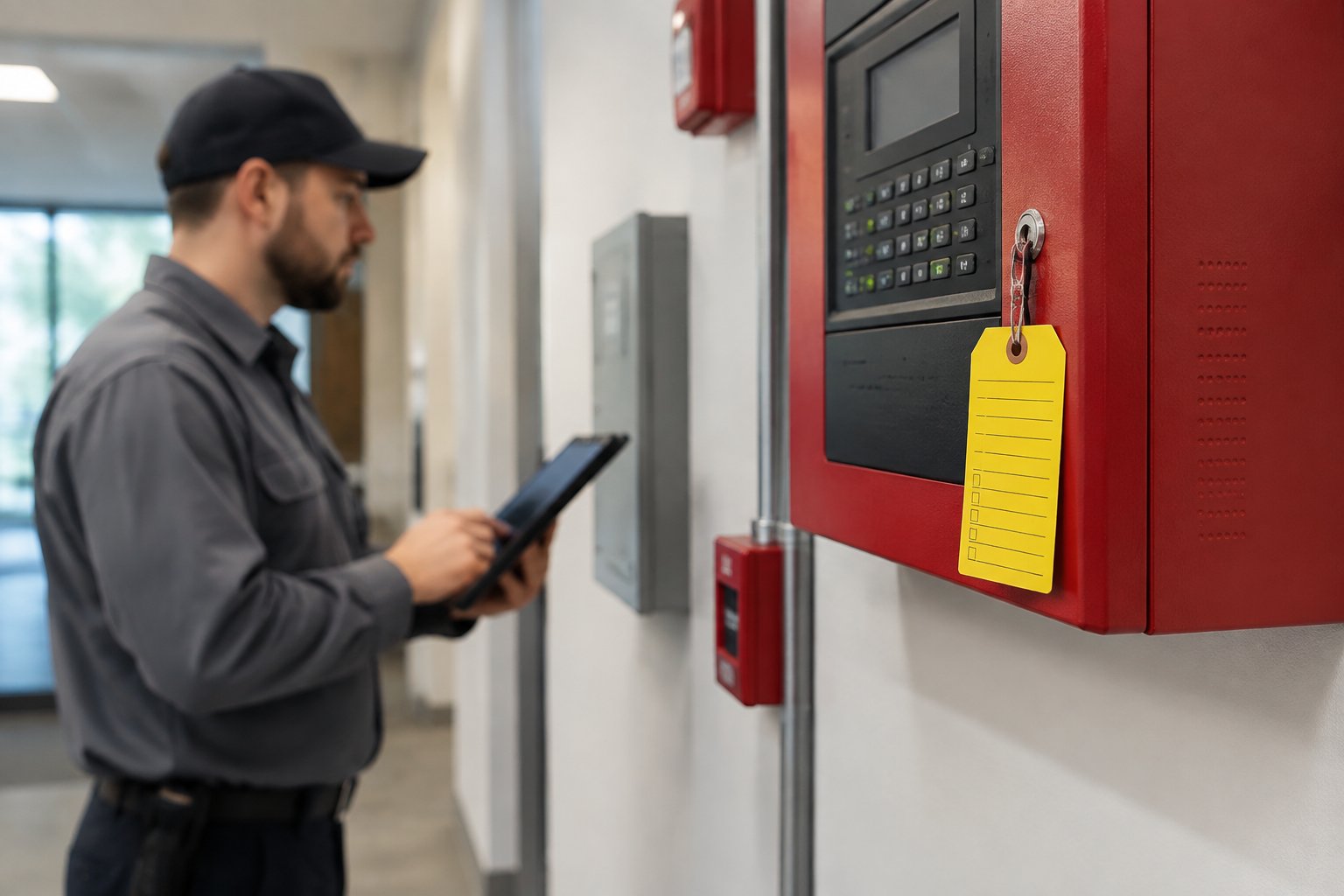
Licensed professionals visit your facility and test every system hands-on. They walk the full perimeter, check every camera feed, trigger alarm sensors, and attempt access through controlled entry points. Staff interviews are a key part of this step.
Auditors ask your security guards, front desk staff, and managers about daily procedures. They want to know if the people responsible for safety actually follow the written protocols.
This phase often reveals the biggest surprises. What you think is happening on the ground and what is actually happening can be very different.
Findings, Recommendations, and Next Steps
After the on-site work wraps up, you'll get a detailed written report. It covers a summary of all systems tested, specific vulnerabilities and their severity level, photographic or video evidence of problem areas, prioritized recommendations for improvement, and estimated timelines and next steps.
The best audit reports are clear and actionable. You should be able to hand that document to your security provider, building manager, or IT team, and let them get right to work. A quality Houston commercial security audit doesn't just point out problems. It hands you a roadmap to fix them, no guesswork, no fluff.
Reliable Security Starts With a Clear Audit Strategy
A Houston commercial security audit gives you the clarity you need to maintain compliance, strengthen daily operations, and protect your people and assets. When you understand exactly where your systems perform well and where they fall short, you can make confident decisions that improve reliability and reduce unnecessary risk.
At Alarm Masters, we combine licensed Texas expertise with a 48-hour turnaround and a white-glove service approach that keeps your audit process efficient and thorough. Our goal is to make your security improvements straightforward and fully aligned with your operational needs.
If you're ready to take control of your facility's security performance, now is the time to act with a structured plan in place. Schedule service now to get a detailed audit that helps you improve protection, meet compliance requirements, and move forward with confidence.
Frequently Asked Questions
What is included in a Houston commercial security audit?
A Houston commercial security audit reviews your physical systems, internal procedures, and compliance documentation. This includes cameras, alarms, access control systems, and emergency response plans to ensure everything works as intended. The goal is to identify gaps and provide clear steps to improve performance and reliability.
How often should a commercial facility in Texas schedule a security audit?
Most Texas businesses should schedule a security audit at least once per year, depending on industry requirements and risk level. Facilities with higher traffic, valuable assets, or strict compliance standards may benefit from more frequent reviews. Regular audits help you stay aligned with evolving threats and regulatory expectations.
What is the difference between a security audit and a risk assessment?
A security audit evaluates how well your current systems and procedures perform against established standards. A risk assessment identifies potential threats and vulnerabilities that may not yet impact your operations. Using both together gives you a complete view of current performance and future risks.
Do security audits help with Texas compliance requirements?
Yes, a Houston commercial security audit helps confirm whether your facility meets applicable Texas regulations and industry standards. This may include requirements tied to healthcare, financial data, or general business safety practices. A documented audit also supports smoother inspections and stronger compliance reporting.
How long does a commercial security audit take to complete?
Most audits begin with pre-planning, followed by on-site testing and a final report, often completed within a few days, depending on facility size. Larger or more complex properties may require additional time for full system evaluation. You receive a detailed report with prioritized recommendations once the audit is complete.
What are the most common issues found during a security audit?
Common findings include camera blind spots, outdated firmware, malfunctioning alarm sensors, and gaps in access control. Audits also often reveal inconsistencies between written procedures and actual staff practices. Addressing these issues improves both security performance and operational efficiency.
How do I get started with a Houston commercial security audit?
Start by identifying your facility's current systems, recent incidents, and any compliance requirements that apply to your operations. Then schedule a professional evaluation to test performance and uncover gaps you may not see during daily operations. Book an inspection to get a clear, actionable plan that strengthens your security and supports compliance.



.svg)


.svg)