.svg)
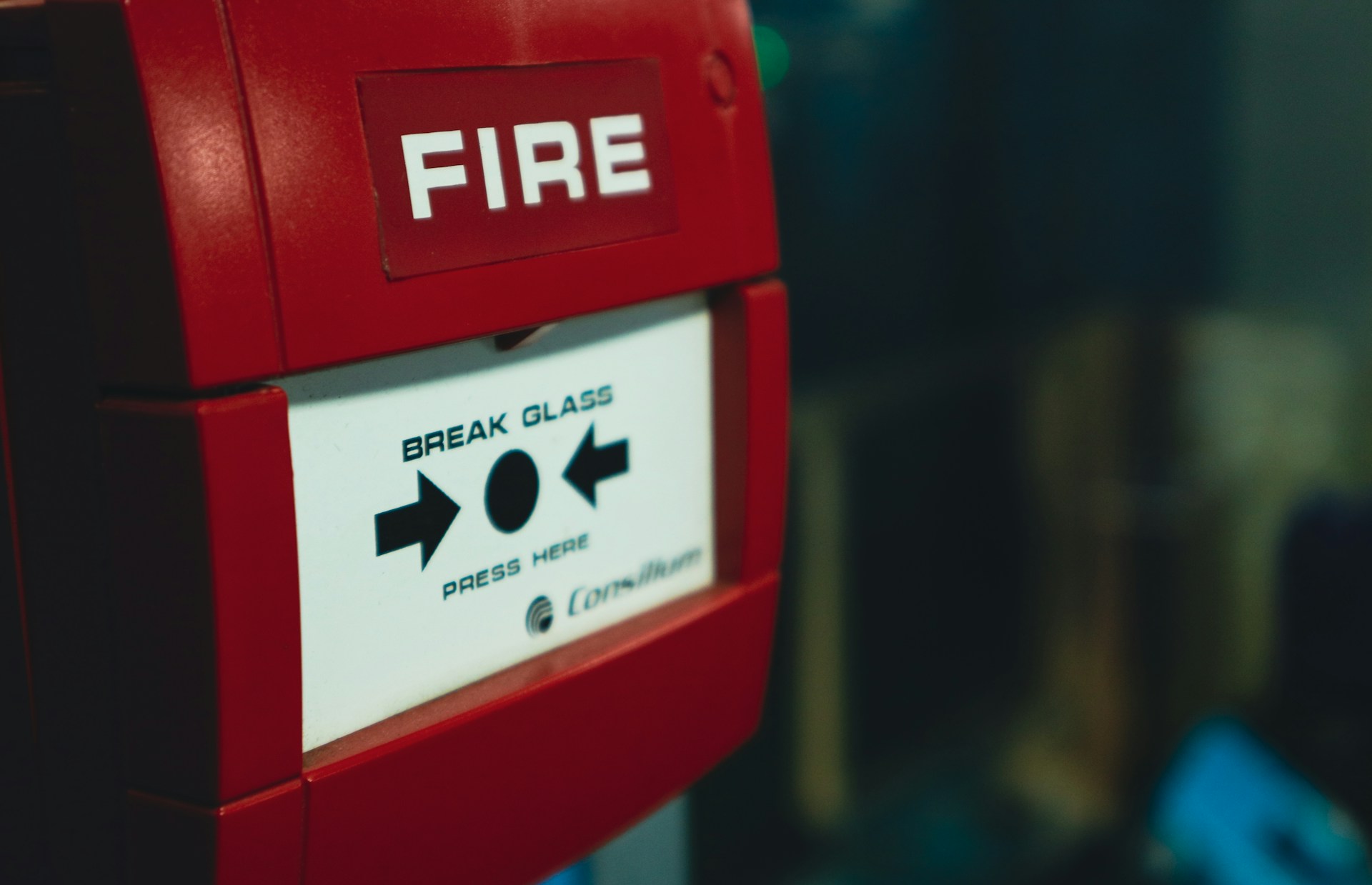
Nearly three out of five home fire deaths happen in properties where smoke alarms were absent or not working at the time of the fire. That is a reminder that a fire alarm system you have not tested is not the same as one that will protect you.
Alarm Masters has spent over 35 years helping Texas homeowners and businesses build and maintain reliable fire and security systems, and that experience makes one thing clear: home fire alarm system testing is not optional maintenance.
In this guide, you will learn how to set up home fire alarm systems, what you can safely test on your own, when to call in a licensed technician, and how to build a practical schedule that keeps your home protected year-round.
Why Routine Checks Matter
A fire alarm that has not been tested in 12 months may look perfectly fine and still fail when it counts. That gap between appearance and performance is exactly why regular home fire alarm system testing saves lives.
Life Safety and Early Warning
The entire purpose of a smoke alarm is to detect danger early enough for you and your family to get out safely. Detection only happens if the sensor inside the device is clean, calibrated, and connected. Dust, insects, and even the dry Texas air can degrade sensor performance without triggering any visible warning. Early warning gives you the seconds that matter most during a residential fire.
Interconnected smoke detection systems, where all detectors sound when one triggers, depend on every device working correctly. One failed unit in the chain means a bedroom on the other end of the house may stay silent.
Insurance and Code Considerations
Texas homeowners insurance policies often include language about maintaining working smoke alarms. A claim filed after a fire in which alarms were non-functional may face scrutiny or denial. Staying current on testing creates a basic record of due diligence.
Residential fire alarm systems in Texas are also subject to local building and fire codes. While commercial properties follow stricter NFPA 72 inspection schedules, homeowners are still expected to keep detection devices in working order. Understanding this distinction helps you know what you can manage yourself and what may need documented professional attention.
Common Reasons Systems Fail Quietly
Fire alarm systems do not usually fail with fanfare. They degrade slowly, and the signals they send are easy to dismiss.
- Dead or disconnected backup batteries
- Sensors clogged with dust, grease, or construction debris
- Corroded wiring connections behind the panel
- Devices that have aged past their rated service life of 10 years
- Communication failures between the detector and a monitored control panel
Any one of these issues can leave you with a system that looks installed but will not respond in a real emergency. Knowing how failure happens quietly is the first step toward preventing it, and the next question is what your system actually consists of.
How Home Fire Alarm Systems Are Typically Set Up
A home fire alarm system is more than a single smoke detector on a kitchen ceiling. Most residential systems include several interconnected components that must each work together.
Smoke Detection Devices
Smoke detectors are the most visible part of the system, but there are two main types: ionization detectors, which respond quickly to fast-flaming fires, and photoelectric detectors, which detect slow, smoldering fires more effectively. Combination units do both. Placement matters. Detectors belong in every bedroom, outside every sleeping area, and on each level of the home.
Heat detectors are sometimes added in areas like garages or attics where cooking smoke or dust would cause frequent false alarms from a standard smoke sensor. These are separate from smoke detection and respond to temperature rise rather than particles.
Control Panels and Keypads
Not every home has a dedicated fire alarm control panel, but homes with monitored systems typically do. The panel is the brain of the system. It receives signals from detectors, activates sirens, and, if connected to 24/7 professional monitoring, sends a signal to the monitoring center. Keypads allow homeowners to silence alarms, view trouble codes, and arm or disarm the system depending on the platform used.
For homes where the burglar alarm and fire detection share a single platform, such as Honeywell or Qolsys systems, the panel manages both. Understanding which panel you have helps you interpret any trouble codes it displays during testing.
Power Supplies and Backup Batteries
Hardwired smoke detectors draw power from your home's electrical system with a battery backup for outages. Battery-only units rely entirely on the installed battery. In Texas, where summer storms and grid interruptions happen regularly, backup power matters.
Backup batteries in hardwired units should be replaced at least once a year. The chirping sound most detectors make is a low-battery signal, not a malfunction. Ignoring it until the unit goes silent entirely is one of the most common ways a home ends up unprotected. Knowing your power setup sets the foundation for understanding which tests you can run yourself.
What Homeowners Can Safely Test Themselves
Most homeowners can handle basic testing of home fire alarm systems without any tools or technical background.
Using the Test Button the Right Way
Every smoke detector has a test button, usually located on the face of the unit. Press and hold it for several seconds until the alarm sounds. A strong, clear tone means the sounder and basic electronics are working. No sound, a weak tone, or a delayed response means the unit needs attention.
Test each detector individually. Do not assume that testing one unit verifies the rest. If detectors are interconnected, confirm that activating one detector triggers the others throughout the house.
Checking Audible Alerts Throughout the House
Testing the alert at the detector itself only tells part of the story. You also need to know whether someone sleeping in a far bedroom with the door closed can actually hear it. Have a second person stand in the most distant room while you press the test button. If the sound does not clearly wake a sleeping adult, coverage may need improvement.
In two-story homes, test from both levels. Basements and rooms with heavy insulation can significantly reduce how far alarm sound travels. Identifying weak alert coverage during a calm test is far better than discovering it during a real emergency.
Spotting Low Battery and Trouble Signals
Beyond the test button, watch and listen for the signals your system sends between tests. A single chirp every 30 to 60 seconds typically means low battery. A different pattern, sometimes called a trouble signal, may indicate a wiring issue, a tampered device, or a communication problem with the panel. Check your detector's manual or the panel display to interpret exactly what the signal means.
Replacing a battery and confirming the chirp stops are quick homeowner fixes. But if the trouble signal returns or comes from the panel itself, that is a sign to call a licensed technician rather than continue testing on your own.
When Professional Service Is the Safer Choice
Some aspects of fire alarm testing go beyond what a test button can verify. A licensed technician performs checks that protect you from risks you cannot see.
Monitored and Connected Systems
If your home fire alarm is connected to a 24/7 professional monitoring center, testing requires a specific step before you start. You must notify the monitoring provider that a test is in progress. If you do not, pressing the test button or activating a detector can trigger a live dispatch to your address, wasting emergency resources and potentially resulting in a false alarm fee from your local authority.
For homes using monitoring platforms like Alarm.com or Honeywell with cellular communication, a technician can verify that the signal path between your control panel and the monitoring center is intact, something the test button alone does not confirm.
Wiring, Sensitivity, and Device Issues
Smoke detector sensors can drift out of their calibrated sensitivity range over time without giving any obvious sign. A detector that is too sensitive causes nuisance alarms from cooking or humidity. One that has drifted too low may not activate until smoke is already dense in the room. Sensitivity testing requires specialized equipment and should be performed periodically by a licensed technician.
Wiring connections behind your control panel, at each device junction box, and along the detection circuit are also beyond the safe scope of homeowner inspection. Loose or corroded connections can cause intermittent faults that appear and disappear without warning.
After Remodeling, Storm Damage, or False Alarms
Any change to your home's structure can affect how fire detection performs. Remodeling creates construction dust that clogs sensors and can move detectors out of code-required placement zones. A severe Texas storm that causes power surges or physical damage to your home may have affected your alarm panel or wiring even if the system appears to be working.
Repeated false alarms are a professional concern, not just an annoyance. They usually point to a sensor that needs cleaning, replacement, or repositioning rather than a simple battery swap. When in doubt, a licensed inspection is the right call.
A Practical Testing Schedule for Texas Homes
A consistent schedule removes guesswork and keeps your home fire alarm system reliable year-round.
Monthly Tasks
Monthly testing does not need to take more than a few minutes. Press the test button on every smoke detector in the home. Confirm the sounder is loud and clear. Check the panel display, if your system has one, for any active trouble codes. Note the date you tested; even a sticky note inside your electrical panel works. Building this into a routine, perhaps the first weekend of each month, keeps it from slipping.
Seasonal Checks
Four times a year, go a step further. Replace batteries in any detector that has given a low-battery chirp. Clean detector covers with a soft brush or vacuum attachment to clear dust buildup. Texas winters may be mild, but HVAC systems running year-round steadily push dust through homes. Check that no detectors have been covered, painted over, or repositioned during any home projects since your last check.
Spring is also a good time to verify that any backup communication path in your monitored system is functioning. Cellular communicators should be confirmed active. These checks set you up well before the intense summer storm season starts.
When to Replace Aging Devices
Smoke detectors have a rated service life of 10 years from the date of manufacture, which is printed on the back of the unit. After 10 years, the sensor chamber degrades, and reliability drops even if the test button still activates the sounder. If you are unsure how old your detectors are, check the manufacture date label now.
Replacing aging devices proactively is far less expensive than discovering a failure during an inspection or, worse, during an emergency. Plan to replace the full set of detectors together rather than one at a time, so they age on the same cycle going forward.
Mistakes That Can Undermine Protection
Some of the most common fire alarm problems are also the easiest to prevent once you know what to watch for.
Ignoring Chirps and Trouble Codes
A chirping detector is sending you a message. Disconnecting the battery to stop the sound, or repeatedly pressing the silence button without replacing the battery, leaves the device unable to protect you. Trouble codes on a control panel display are equally important. They flag real system issues, not glitches. Document the code, look it up in your system manual, and take action.
Painting Over or Covering Detectors
Paint seals the sensor openings on a smoke detector, which blocks smoke from reaching the sensing chamber. Covering a detector with a plastic bag during a renovation and forgetting to remove it has the same effect. Detectors installed in locations where furniture, shelving, or decorative items block airflow around them also suffer reduced sensitivity. Placement and clearance are not optional.
Assuming Every Alarm Sound Means the Same Thing
Different alert patterns communicate different problems. A continuous alarm typically signals the detection of smoke or heat. Intermittent chirping indicates a low battery or a fault condition. Some panels and detectors use distinct tone patterns for carbon monoxide, fire, and supervisory alerts.
Treating all sounds as the same causes homeowners to dismiss a real warning or overreact to a maintenance signal. Learning your system's specific alert patterns takes 10 minutes with the manual and can make a real difference.
Choosing Long-Term Support for Reliable Protection
Testing is a habit. Choosing the right service partner is a decision that protects that habit over time.
What to Ask Before Scheduling Service
Before you hire anyone to inspect or service your home fire alarm system, ask a few direct questions.
- Are your technicians licensed in Texas?
- Do you carry documentation of the inspection for insurance purposes?
- Can you service the brand of system already installed in my home?
A quality provider will answer those questions clearly and without hesitation. You should also ask whether the service includes a written report of any findings. A verbal "everything looks fine" is not the same as a documented inspection you can show to an insurer or a future buyer.
Why Licensed Inspection and Maintenance Matter
Texas requires licensure for fire alarm work, and that requirement exists for good reason. Licensed technicians have verified training in detection system design, installation standards, and NFPA 72 compliance. They carry the right tools to test sensor sensitivity, verify wiring integrity, and confirm that monitored systems communicate correctly through their transmission path.
For homeowners, a licensed inspection also provides a layer of legal protection. If a loss occurs and your system was last serviced by an unlicensed contractor, your insurance claim may be subject to complications. Choosing licensed service is not just about quality. It is about accountability.
What Ongoing Monitoring and Response Can Add
A fire alarm system that detects smoke but does not alert anyone outside your home provides limited protection when no one is there. Professional 24/7 monitoring means a trained operator receives the signal and contacts emergency services on your behalf, whether you are home or not.
Frequently Asked Questions
How Often Should We Test Smoke Alarms in a Home, and What Is the Right Routine Our Team Recommends?
Test every smoke detector in your home at least once a month using the built-in test button, and do a more thorough check each season, including cleaning and battery inspection. Replacing batteries annually, even before a low-battery chirp, keeps devices ready between full tests.
Can Our Team Perform a Free On-Site Alarm Check, and What Does Our White Glove Experience Include?
Yes. Alarm Masters offers a free, no-obligation estimate that starts with a thorough on-site walk-through of your property's current fire detection and security setup. The White Glove experience includes personalized recommendations, licensed technician service, and ongoing support after any installation or takeover work is complete.
What Is the Safest Way to Verify a Detector Works When the Test Button Does Not Tell the Full Story?
For a more complete check, use a listed aerosol smoke test product, sometimes called canned smoke, directed at the detector's sensing chamber. This confirms the sensor responds to actual smoke particles rather than just verifying that the sounder and electronics function.
How Do We Use Canned Smoke Properly Without Risking Damage or False Alarms in the Home?
Notify your monitoring provider before testing so a live dispatch is not triggered. Apply the aerosol briefly and directly to the detector's vent openings per the product instructions. Avoid spraying into the chamber from too close a distance or using excessive amounts, which can leave residue that affects future sensitivity.
What Are the Telltale Signs a Smoke Alarm Battery or the Unit Itself Needs Replacement Instead of Another Test?
A chirp that continues after a fresh battery is installed, a sounder that produces a weak or inconsistent tone during the test, or a manufacture date older than 10 years on the back of the unit all point to replacement rather than a simple battery swap. These signs indicate the device itself has degraded.
Who Should Handle Testing in a Monitored System so We Protect Your Home and Avoid Unnecessary Dispatch?
Always contact your monitoring provider before running any test that could trigger an alarm signal. For systems with cellular communicators or panel-based monitoring, a licensed technician should periodically verify that the full communication path, from detector to panel to monitoring center, works as intended rather than relying solely on the test button.
Protecting Your Home Starts With Knowing Your System
Home fire alarm system testing is not a once-a-year formality. It is the habit that keeps an installed system actually working. Monthly button tests, seasonal cleanings, battery replacements, and periodic licensed inspections each serve a different role, and together they form a reliable layer of protection for your family.
Texas homeowners who understand their system, test it consistently, and bring in a licensed technician when issues go beyond the basics are genuinely better protected. That is not complicated, but it does require being intentional.
If you are not sure whether your current system is in good shape or still fits your home's layout and needs, request a free, no-obligation estimate from Alarm Masters, and our team will walk you through the right setup for your property.




.svg)


.svg)