.svg)
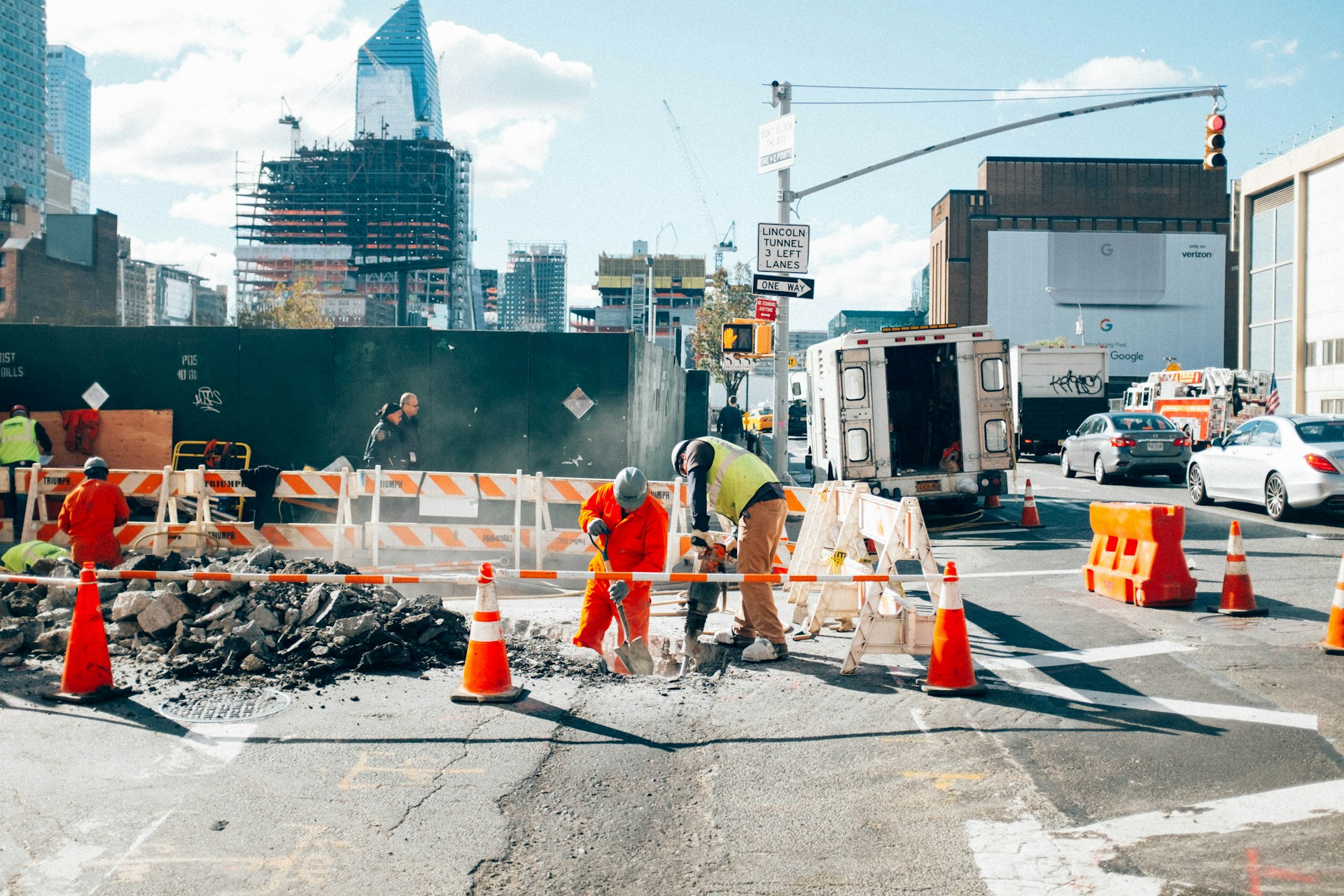
Construction sites face constant risks: stolen tools, missing materials, and costly delays. Without the right system in place, it only takes one incident to disrupt your timeline and budget. Construction site security cameras help you stay in control and protect what matters most.
With Alarm Masters, you get licensed expertise in Texas and a 48-hour turnaround for reliable protection. Their systems are built to handle real job-site conditions while keeping monitoring simple and effective.
This guide breaks down what to look for, how to choose the right setup, and how to secure your site from day one. You’ll learn practical steps to reduce risk, improve visibility, and keep your project moving forward.
Why Construction Site Security Cameras Are Essential
Security cameras protect your site around the clock, reduce crime, keep workers safer, and help you meet insurance standards that can lower your premiums.
- Protecting Equipment and Materials
Construction equipment and materials aren’t cheap—one excavator can cost over $100,000, and then there’s all the copper wire, power tools, and lumber. Thieves know this, and they’re drawn to construction sites because expensive items often sit unguarded at night.
Security cameras become your eyes when you’re not around. They keep watch over things like bulldozers, generators, and welding gear. The footage helps you keep tabs on what comes in and out each day.
If something vanishes, you’ve got video evidence for the police and insurance. Nowadays, many cameras offer motion detection and send instant alerts to your phone, so you’ll know right away if someone’s poking around after hours.
- Deterring Theft and Vandalism
Visible cameras make criminals think twice. Most thieves want an easy score, and cameras send a clear message that your site isn’t a free-for-all.
Studies show that properties with visible surveillance get hit less often than those without. Criminals hate the idea of getting caught on video. Even fake cameras can scare some folks off, but real ones give you actual protection and proof.
Vandalism drops, too, when people know they’re being watched. Graffiti, busted windows, and trashed equipment cost you time and money. Cameras help stop these headaches before they start.
- Enhancing Worker Safety
Construction sites are risky by nature: falls, equipment accidents, and unsafe shortcuts can lead to injuries or worse. Cameras let you monitor work zones and spot hazards before something goes wrong.
You can review footage to check whether workers are wearing their gear, like hard hats and harnesses. Recordings also show how people use machinery and follow safety rules, which helps you offer better training and catch risky behavior early.
If an accident happens, camera footage shows what really went down. That helps you stop similar incidents and protects you from bogus injury claims by giving an honest record of events.
- Meeting Insurance Requirements
Many insurance companies require or strongly recommend security cameras at construction sites. Installing cameras can drop your insurance premiums, sometimes by 10-20%.
Insurers see cameras as tools that reduce risk. They know surveillance stops theft and speeds up claims with clear video evidence. Some won’t even cover certain big-ticket equipment if you don’t have security measures.
Your insurance may have specific rules for where you put cameras, the resolution, and how long you keep recordings. Check with your provider to make sure your system checks all their boxes. Good documentation can also make claims go smoother if you ever need to file one.
Explore wireless commercial alarm systems for safer businesses.
Key Features of Effective Security Cameras
Construction site cameras need to handle tough conditions and deliver reliable security. The right mix of video quality, durability, and visibility in all lighting makes the difference between a system that works and one that lets you down.
High-Resolution Video
You want cameras that give you sharp, detailed footage so you can actually see who’s on site and what’s happening. 4K cameras deliver the clearest images and let you zoom in without losing detail.
Lower-res cameras might be cheaper at first, but they often give you blurry footage that’s useless for reading license plates or identifying faces. That’s a nightmare if you need evidence for insurance or the police.
Most modern cameras offer at least 1080p as a starting point. Still, 4K cameras give you four times the detail, covering bigger areas with fewer devices. You can also zoom in on 4K recordings after the fact without the image turning into a pixelated mess.
Weather Resistance
Your cameras should stand up to rain, dust, wild temperature swings, and whatever else the job site throws at them. Look for cameras with at least an IP66 rating—they’re sealed against dust and can handle strong water jets.
Construction sites are rougher than your average outdoor setup. Cameras need tough housings to keep out moisture, dust, and debris that could ruin the image.
Temperature swings matter, too. Make sure your cameras work in both freezing cold and blazing heat without shutting down. Always check the specs to confirm they’ll survive in your local climate.
Night Vision Capabilities
Most theft and vandalism happen after dark, once everyone’s gone home. You need cameras with infrared LEDs or other night vision tech that can see clearly even in pitch black.
Good night vision should reach at least 100 feet, which is enough to cover storage zones and entry points. Some cameras offer color night vision, which gives you even more detail in low light.
The number and power of infrared LEDs decide how far and how clearly your camera sees at night. More powerful night vision costs extra, but it’s worth it for peace of mind during the riskiest hours.
Types of Security Cameras for Construction Sites
Construction sites need different camera types depending on what you’re trying to cover, where you have power, and how you want to monitor things. The right choice depends on whether you need to track movement across big areas, watch remote corners, or keep surveillance going where there’s no electricity.
Fixed vs. PTZ Cameras
Fixed cameras point one way and watch the same spot all the time. They’re great for entrances, storage areas, or equipment parking—places where you want constant eyes.
PTZ cameras (that’s pan, tilt, zoom) can move and cover bigger areas. You control them remotely to follow action or zoom in for details. Sometimes, one PTZ camera can do the job of several fixed ones.
Fixed cameras are cheaper and simpler to install. They’re reliable since they don’t have moving parts to break. PTZ cameras cost more up front but give you flexible coverage that can adapt as your project changes.
A mix of both works best for most sites. Use fixed cameras for the most critical spots and PTZs for open areas where threats could come from anywhere.
Mobile Surveillance Units
Mobile units are basically camera systems on trailers or portable stands. Everything’s packed together—cameras, power, and usually lighting too.
You can move these units as your project shifts. When work moves, just roll the trailer to the new spot instead of reinstalling permanent cameras. That flexibility makes them popular for busy sites.
Most mobile units run on generators, batteries, or solar panels. No need for existing power, so they’re perfect for early-stage sites. Many even have cellular connections to send footage without Wi-Fi.
Solar-Powered Cameras
Solar-powered cameras use panels to keep batteries charged day and night. No need to run wires or constantly refuel generators.
They work best in spots with plenty of sunlight. You’ll need to set up the panels where nothing blocks them—no buildings or equipment casting shadows all day. The size of the battery decides how many cloudy days the system can handle. Solar cameras cost more up front, but they save you money on energy over time. You skip the ongoing electrical bills and don’t have to dig trenches for power lines.
Learn about outdoor security cameras with a built-in monitor screen to enhance your surveillance experience.
Best Practices for Camera Placement and Installation
Putting cameras in the right spots matters as much as buying the right ones. Cover the areas most likely to get hit—entrances, fences, and anywhere valuable stuff sits. Mount them high enough to get a good view and keep them out of easy reach, but don’t leave big gaps in your coverage.
Covering Entry and Exit Points
Cameras belong at every entrance and exit. These are the spots where unauthorized people get in and where stolen stuff leaves. Aim for clear shots of faces and license plates.
Fixed cameras work best at gates since they provide steady coverage. Mount them 10 to 15 feet high for a wide view, but angle them down so you see faces, not just hard hats.
Make sure these cameras work day and night. Go for models with night vision or infrared. You’ll also want time and date stamps for every event—super handy when reviewing footage.
Securing Perimeter Fencing
Your fence line needs full camera coverage to spot intruders before they reach anything valuable. Space cameras along the fence to avoid gaps. Focus on corners and spots where fences meet buildings.
Mount cameras high—on poles or structures—to see as much as possible. You can cut down on the number of cameras by using PTZ models that cover more ground and let you tweak the view remotely.
Pay extra attention to fence sections hidden from the street or poorly lit. That’s where thieves are most likely to try their luck. Motion-detection cameras work well here because they alert you as soon as someone approaches.
Avoiding Blind Spots
Blind spots are just invitations for trouble. Walk the site and figure out where camera views overlap so nothing gets missed. Pay attention to storage areas, equipment zones, and dark corners.
Use multiple cameras from different angles to watch the same high-value area. That way, if one view gets blocked, another camera still catches the action. Test your setup by having someone walk through while you watch the feeds.
Check your coverage regularly as the site changes. New buildings, piles of materials, and moved equipment can create blind spots you didn’t have before. Move cameras or add new ones as needed to keep everything in sight.
Integrating Cameras with Other Security Measures
Cameras work best when you combine them with other security layers. Pairing surveillance with remote monitoring and access control gives you better control over who comes and goes and what’s happening on site.
Remote Monitoring Solutions
Remote monitoring connects your cameras to a central platform you (or your security team) can access from anywhere. You’ll get real-time alerts when motion is detected or when someone enters a restricted area.
Professional monitoring services can watch your feeds 24/7. If they spot something off, they’ll contact the authorities or trigger on-site alarms. That’s a lifesaver during nights and weekends when nobody’s around.
Key benefits of remote monitoring include:
- Instant notifications to your phone or computer
- Two-way audio to warn off trespassers
- Recording and storage of footage for evidence
- Live viewing from multiple locations at once
Everything runs through a single software dashboard. No need to juggle different apps or systems. You see camera feeds, alerts, and system status all in one place.
Access Control Systems
Access control systems work hand in hand with your cameras to track and manage who enters your construction site. You can set up key cards, PIN codes, or even biometric scanners at gates and entry points.
When someone swipes a card or enters a code, the system logs the time and location. Cameras kick in automatically, recording footage of every entry.
You end up with a pretty thorough record of who accessed the site and exactly when they showed up or left. That’s a level of oversight most folks only dream about.
Integration features include:
- Automatic camera recording when someone uses the access points
- Alerts if someone tries to get in without permission
- Employee time tracking that links to camera verification
- Restricted access zones for areas with sensitive equipment
If an employee leaves or a contractor wraps up their work, you can revoke their access permissions instantly. The system blocks unauthorized credentials from opening gates, and your cameras catch anyone who tries to sneak past security.
Secure Your Jobsite with Confidence
Theft, vandalism, and safety risks can quickly derail your project and drive up costs. With the right construction site security cameras, you gain visibility, reduce losses, and keep your jobsite running smoothly. Taking action early helps you avoid expensive setbacks later.
Alarm Masters delivers licensed, end-to-end solutions designed for real jobsite conditions, backed by fast turnaround and reliable support. You get a system that works when you need it most, without added complexity.
Ready to protect your project and stay ahead of risks? Get a free estimate.
Frequently Asked Questions
What Are Construction Site Security Cameras?
Construction site security cameras are surveillance systems designed to monitor jobsites 24/7. They help track activity, prevent theft, and provide recorded footage for security and safety purposes.
Do Construction Site Security Cameras Work Without WiFi?
Yes, many construction site security cameras use cellular networks or local storage. This makes them ideal for remote locations where WiFi or wired internet is not available.
Where Should Construction Site Security Cameras Be Placed?
You should place cameras at entry and exit points, along perimeter fencing, and near high-value equipment. Proper placement helps eliminate blind spots and ensures full site coverage.
Can Construction Site Security Cameras Reduce Theft?
Yes, visible cameras act as a strong deterrent. They discourage unauthorized access and provide video evidence if an incident occurs, helping with recovery and insurance claims.
Are Construction Site Security Cameras Weatherproof?
Most systems are built for harsh environments and include weather-resistant ratings like IP66. These cameras can handle rain, dust, and temperature changes common on jobsites.
How Much Do Construction Site Security Cameras Cost?
Costs vary depending on the number of cameras, features, and installation needs. Investing in the right system often saves money by preventing losses and reducing insurance risks.
Do Construction Site Security Cameras Improve Safety?
Yes, they allow you to monitor worker behavior, identify hazards, and review incidents. This helps improve safety practices and reduce the likelihood of accidents.



.svg)


.svg)