.svg)
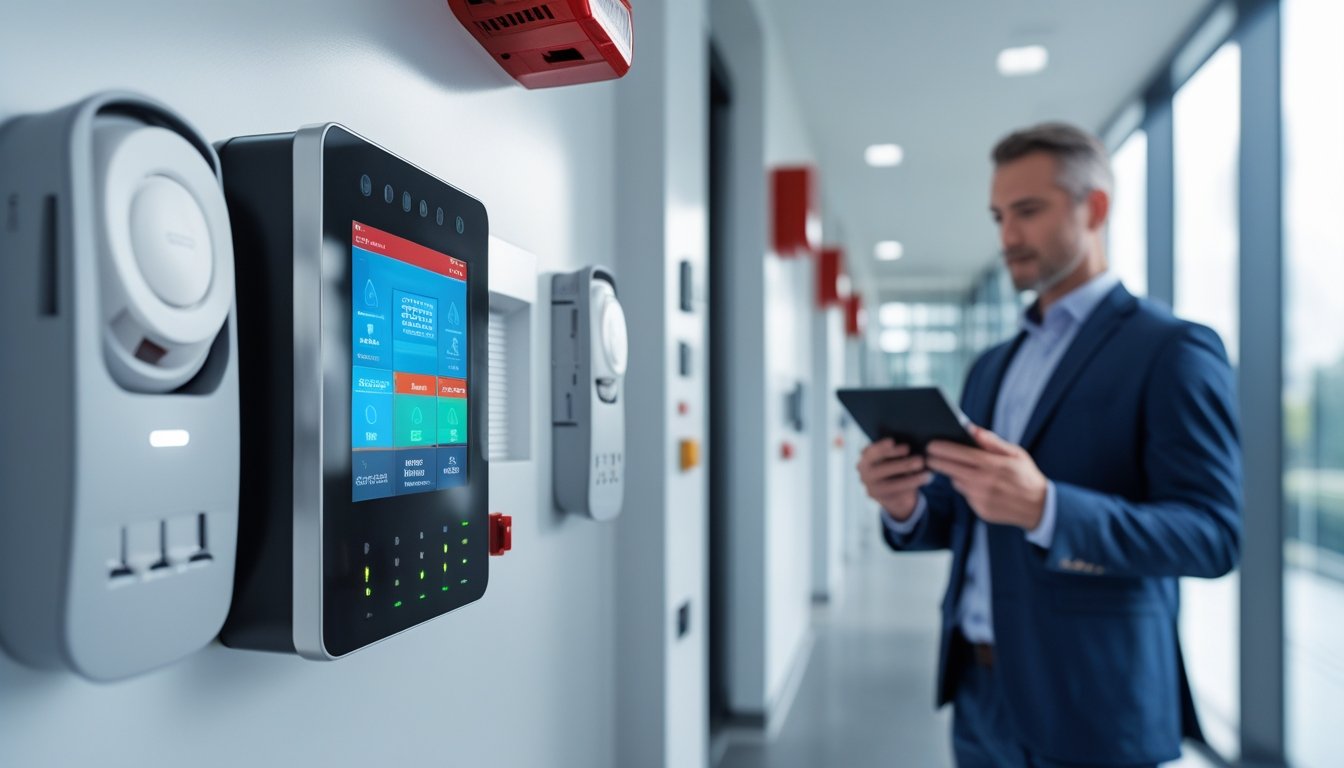
Choosing the right addressable fire alarm system can feel complex when you are balancing safety, budget, and code requirements. You want clear information on how these systems work, where they shine, and where they may fall short.
Based in Texas with licensed fire alarm technicians and a fast 48-hour response, Alarm Masters designs, installs, and maintains the right addressable fire alarm system for your building. We focus on compliant, reliable protection without scare tactics, with practical options matched to your risk level.
In this guide, you will learn how an addressable fire alarm system differs from conventional setups, where it delivers the most value, and what limitations to consider. You will also see how costs, maintenance, and future expansion factor into your decision.
Overview of Addressable Fire Alarm Systems
Addressable fire alarm systems deliver accurate detection and detailed monitoring, making it easier for you to manage fire events quickly and effectively. You benefit from precise location tracking of alarms and a smarter system designed to reduce false alerts.
Definition and Basic Functionality
An addressable fire alarm system connects each detector and device with a unique digital address. This means the control panel can pinpoint exactly where a fire alarm or hazard is detected.
Unlike older fire systems, which only show the general area or zone of an alarm, addressable systems give you detailed information on the specific device triggered. This precise detection helps reduce response time.
The system also lowers the chance of false alarms by checking each device’s status individually. This makes it easier to maintain and trust the system’s alerts.
How Addressable Systems Differ from Conventional Systems
Conventional fire alarm systems group detectors by zones, which can make it harder to find the exact alarm source. Normally, when an alarm sounds, you only know the zone, not the individual device. This can slow response and create confusion during an emergency.
Addressable systems identify each device separately. You get precise location data, which speeds up emergency response and repair efforts. These systems are best for larger buildings or complex sites where knowing the exact alarm point is critical. Addressable systems also offer more flexibility for future expansion or reconfiguration.
Key Components
Addressable fire alarm systems include several important parts:
- Initiating Devices: These are smoke detectors, heat sensors, pull stations, and other detectors. Each has its unique address.
- Fire Alarm Control Panel (FACP): This is the system’s brain. It reads signals from initiating devices and shows exactly which device triggered the alarm.
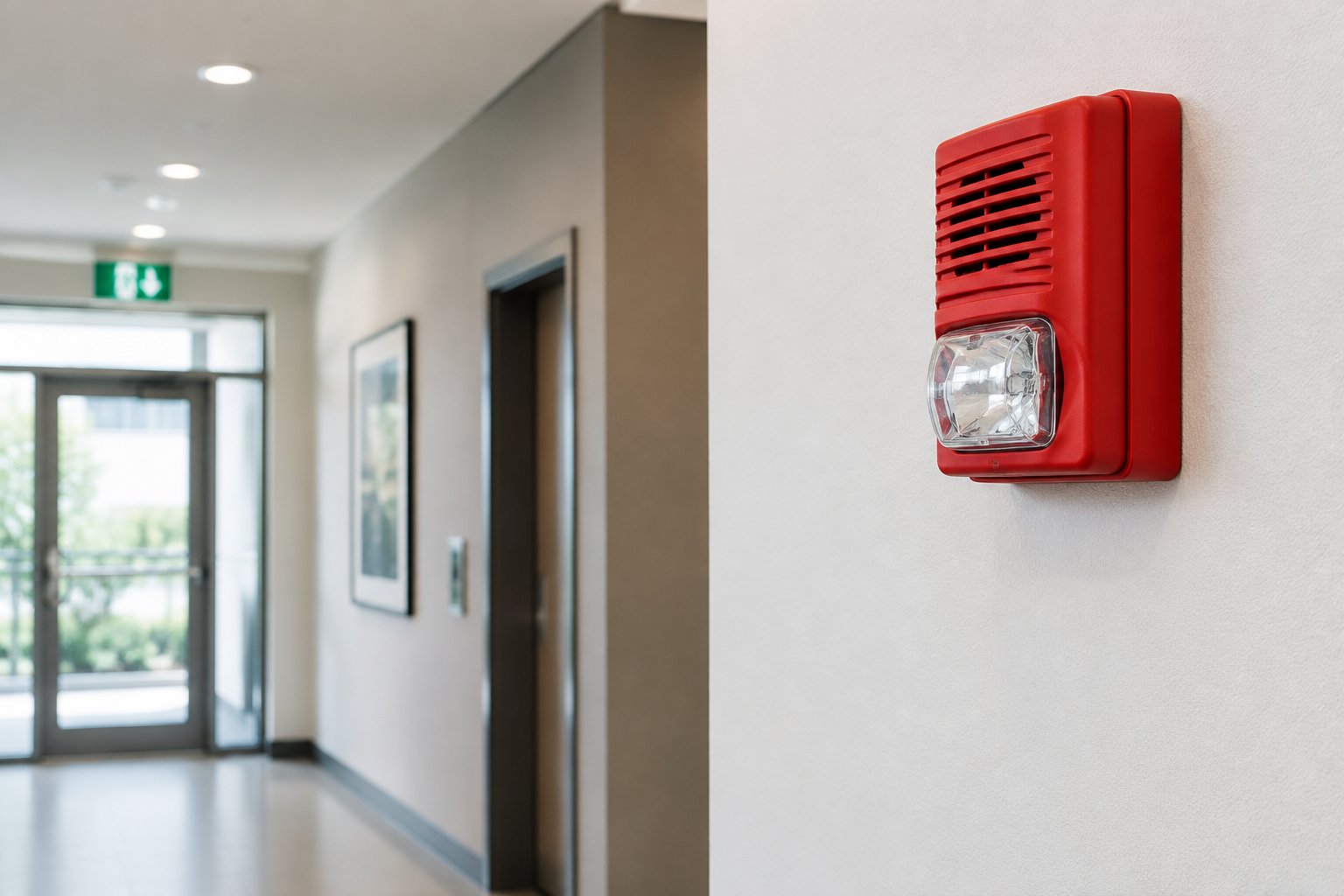
- Notification Devices: These include horns, strobes, and speakers that alert occupants during an alarm.
- Communication Network: The wiring or wireless system connects all devices to the control panel and allows for monitoring and control.
Each part works together to provide fast, clear alerts and easy system management for your addressable fire alarm system.
Advantages of Addressable Fire Alarm Systems
Addressable fire alarm systems offer precise and reliable fire detection that helps you protect your property and occupants effectively. These systems give you better control, easier upkeep, and fewer interruptions from false alarms, all tailored to the needs of modern buildings.
Enhanced Detection and Identification
With an addressable system, each device has a unique digital address. This means the control panel can tell you exactly which smoke detector or heat sensor is triggered. You do not have to guess which area is affected, which speeds up emergency response.
Knowing the precise location of a problem helps your staff or responders act faster. This accuracy can reduce property damage and improve life safety.
Improved System Flexibility
Addressable systems are built to grow with your building’s needs. You can add or move devices easily without rewiring large sections. This flexibility is valuable if you expand your space or change layouts.
Custom programming lets you adjust how devices behave based on risk levels in different areas. This means your addressable fire alarm system is fine-tuned to your property, delivering protection exactly where you need it. It also supports integration with other safety systems for coordinated responses.
Reduced False Alarms
Because each device communicates directly with the control panel, addressable systems can detect false alarm causes more precisely. If a sensor has a minor fault or environmental disturbance, the system can often isolate it. This reduces unnecessary emergency calls and interruptions.
Fewer false alarms mean less downtime and less risk of complacency from occupants. It also helps you avoid penalties from local fire departments for repeated false alarms.
Easier Maintenance and Troubleshooting
Addressable fire alarms make maintenance simpler by telling you exactly where issues exist. If a device needs cleaning or replacement, you can find it quickly instead of checking an entire zone.
Diagnostics built into the system alert you to sensor problems or wiring faults right away. This proactive insight keeps your addressable fire alarm system functioning properly and compliant with codes. Your maintenance team spends less time searching and more time resolving issues fast.
Limitations and Drawbacks of Addressable Fire Alarm Systems
Addressable fire alarm systems offer many benefits, but they do come with some challenges. These include higher upfront investments, complicated installation needs, reliance on programming, and risks linked to technical malfunctions.
Higher Initial Cost
Addressable fire alarm systems typically cost more to install compared to conventional systems. This higher initial expense is due to the advanced technology used, such as unique digital addresses for each device. The fire alarm control panel and intelligent detectors add to the price.
Though the upfront cost is greater, this investment often pays off with improved system performance and easier maintenance. Still, the higher cost may affect budgeting, especially for smaller properties or projects with tight financial limits.
Complex Installation Requirements
The installation of addressable systems demands more careful planning and technical skill. Because each device is individually addressed, wiring must be precise and follow specific layouts to ensure proper communication with the control panel.
You will need experienced technicians licensed for fire alarm installations. An incorrect setup can lead to communication failures or false alarms. The complexity can also extend installation time compared to conventional systems.
Dependency on Programming and Software
Addressable systems rely on specialized software to program devices and manage alarms. You or your service provider must keep the system programming up to date for it to function correctly.
This means you need staff trained to handle software updates, changes in device locations, and system troubleshooting. If programming errors occur, the system may not detect fires accurately or could generate false alerts, impacting safety and response times.
Potential for System Malfunctions
Because addressable fire alarm systems are more intricate, there is a greater chance of technical malfunctions. Problems may arise from wiring faults, software glitches, or device component failures.
While these systems can identify exact problem locations, finding and fixing issues requires skilled technicians. A malfunction can affect system reliability if not addressed quickly, making regular maintenance and fast service essential to your property’s safety.
Comparing Addressable and Conventional Fire Alarm Systems
Understanding the main differences between addressable and conventional fire alarm systems helps you choose the right fit for your building. This section breaks down their performance, cost over time, and suitability for various building types to guide your decision.
Performance Differences
Addressable fire alarm systems give you precise information about each device on the network. When a sensor detects smoke or heat, the system identifies its exact location. This allows faster, focused response and easier system management.
Conventional systems group devices in zones. If an alarm triggers, you only know which zone, not the exact device. This can delay response and requires more effort to identify problems.
Addressable systems also offer advanced monitoring features. You can spot faults on single devices, test components individually, and get detailed maintenance alerts. Conventional systems have more limited monitoring and troubleshooting capabilities.
Cost Comparison Over Lifetime
Conventional fire alarm systems are usually less expensive to install due to simpler wiring and fewer components. However, they can be more costly over time. Troubleshooting zone-wide issues may take more labor and cause longer downtime.
Addressable systems have higher initial costs. The technology and wiring are more complex, and devices are typically pricier. But because they identify specific device problems, maintenance is quicker and less disruptive. Over the long term, addressable systems often reduce repair and labor costs. Their scalability also means fewer upgrades and replacements as your needs grow.
Suitability for Different Building Types
Conventional systems work well in smaller buildings or spaces where fire zones are simple and limited. They are straightforward, reliable, and meet basic fire code requirements for many residential or small commercial properties.
Addressable systems are better suited for larger, complex properties or buildings with multiple floors and varied layouts. Hospitals, schools, high-rises, and industrial sites benefit from the precise monitoring and faster response these systems offer.
If your building layout changes or expands often, addressable systems provide flexibility without major rewiring. Conventional systems may require full redesigns as you add zones or devices. Your choice depends on building size, complexity, and how important detailed fire detection and quick pinpointing of alerts are for you.
Considerations Before Installing Addressable Systems
Before choosing an addressable fire alarm system, you need to review several key factors. These will affect system performance, costs, and how well the system fits your building. Make sure to weigh building requirements, future growth, legal rules, and existing equipment carefully.
Building Size and Complexity
Addressable systems are best suited for larger or more complex buildings. They let you pinpoint the exact location of a fire, which is crucial when your building has many rooms or floors.
If your building is small or simple, a conventional system might be enough and more cost-effective. In bigger buildings, addressable systems help reduce false alarms by identifying the exact device triggering the alert.
This leads to faster, more precise responses in an emergency. You should evaluate the number of devices needed to cover your entire facility thoroughly.
Scalability Needs
One major strength of addressable systems is how well they scale. If you expect your building or operations to grow, an addressable system can expand without replacing the entire setup. You can add detectors and modules as needed without large disruptions.
If you do not plan to expand or change your building much, a conventional system could save you upfront costs. However, when future planning is uncertain, investing in an addressable fire alarm system protects you from costly upgrades later. Consider how flexible your fire protection needs must be.
Regulatory Compliance
Your fire alarm system must meet local laws and safety codes. Many regulations now recommend or require addressable systems for larger or multifunctional commercial buildings.
Using an addressable system helps ensure you comply with these standards and avoid penalties. Check specific Texas state fire codes and any local requirements that apply to your property type. Since codes can change, addressable systems also offer a better chance of staying compliant over time due to their advanced features and monitoring capabilities.
Integration with Existing Infrastructure
If you already have a fire alarm or security system, confirm if an addressable system can connect with it. Addressable systems often work well with modern building automation or security networks and can share data for quicker alerts.
Replacing a whole system can be costly, so assess if you can upgrade in stages or integrate addressable components gradually. Discuss with your licensed technician how well new devices will fit with your current wiring, control panels, and software platforms.
Maintenance and Support Factors
Maintaining an addressable fire alarm system means staying proactive about service, having access to the right parts, and ensuring your staff knows how to handle the system.
Ongoing Service Requirements
An addressable system needs regular inspections and testing to ensure each device communicates correctly with the control panel. You should expect scheduled checks of detectors, modules, and wiring to catch any faults early.
Because each device has a unique address, diagnostics can pinpoint problems quickly, saving you time during maintenance. However, this also means you will need skilled technicians familiar with the system’s digital components.
Availability of Replacement Parts
Addressable fire alarm systems use specialized sensors and modules, which means replacement parts must meet exact standards for compatibility and safety. You should always source parts from trusted suppliers or authorized dealers.
Using generic or non-certified components can cause system errors or fail to meet Texas fire codes, putting your building at risk.
Training for Staff
Proper training helps your staff respond correctly to alarms and routine maintenance needs. You should arrange hands-on sessions showing how to interpret system messages, silence false alarms, and report issues.
Since addressable systems provide detailed diagnostics, understanding the control panel’s interface is key. Training also covers regular testing procedures to keep devices functioning.
Future Trends in Addressable Fire Alarm Systems
The future of addressable fire alarm systems centers on smarter technology, better integration, and energy-conscious designs.
Advancements in Technology
Addressable fire alarm systems now use digital networks where every detector or pull station has a unique address. This lets you pinpoint the exact location of any fire event quickly.
Newer models include wireless devices, reducing installation time and wiring needs. Voice evacuation features are becoming more common. These systems give clear, spoken instructions during an emergency, helping occupants react faster. Artificial intelligence integration also improves alarm accuracy by reducing false alarms.
Cloud-based monitoring allows remote access to your fire system’s status. You or your facility manager can check alerts and system health from anywhere, improving your control and peace of mind.
Integration with Smart Building Solutions
Addressable systems are designed to work with other building technologies. When connected, they can communicate with HVAC, elevators, and public address systems to coordinate a swift and safe evacuation.
For example, if smoke is detected on a floor, your system can automatically stop elevators from stopping there and turn on exhaust fans to clear the smoke. This kind of integration helps protect everyone inside while minimizing building damage.
Your building’s management system can receive real-time alerts from the fire alarm system. This coordinated approach means quicker decisions and improved safety during emergencies.
Sustainability and Energy Efficiency
Modern addressable fire alarms focus on using less power and lasting longer. Wireless devices often come with energy-saving modes that extend battery life. This reduces maintenance trips and lowers your overall operating costs.
Some systems use LED indicators and power-efficient control panels to cut electricity use. By optimizing energy consumption, these systems help reduce your building’s environmental footprint. Choosing an addressable fire alarm system with these features means you support sustainability goals without compromising safety or reliability.
You get efficient, dependable protection while helping conserve resources.
Key Takeaways: Addressable Fire Alarm System Pros and Cons
Addressable fire alarm systems give you precise control over your building’s safety. They identify the exact device triggered during an alarm, helping responders act quickly. This precision can reduce false alarms and lower downtime. It is especially important for larger or complex properties.
You also gain easier monitoring and maintenance. Each device has a unique digital address, so problems can be pinpointed fast. This makes troubleshooting and testing more efficient. It saves you time and resources.
On the downside, addressable systems tend to cost more upfront than conventional ones. The technology and setup require a higher initial investment. Installation can also be more complex. You will want experienced, licensed technicians to ensure everything works right from day one.
If your system needs expansion or repair, specialized parts or programming updates might be required. This can be a factor in long-term maintenance costs.
Pros:
- Precise device-level identification
- Faster response and fewer false alarms
- Efficient monitoring and troubleshooting
- Scalable for larger or complex buildings
Cons:
- Higher initial cost
- More complex installation
- Possible need for specialized maintenance
- Can require trained professionals for setup and support
Making the Right Addressable Fire Alarm Choice
An addressable fire alarm system can offer faster response, clearer information, and easier maintenance when matched to the right building. Weigh its higher upfront cost and installation complexity against long-term savings and safety benefits. Focus on building size, layout, and future plans before deciding.
With licensed Texas technicians and a 48-hour service commitment, Alarm Masters can help you compare options and design an addressable fire alarm system that fits your code requirements and budget. You get clear guidance, not pressure, so your team can make confident safety decisions.
If you are planning a new project or upgrading an older system, now is the time to review your fire protection strategy. Schedule a professional assessment, confirm code compliance, and build a path for future expansion. Get a free estimate today and move toward a safer, better-protected building.
Frequently Asked Questions
What is an addressable fire alarm system?
An addressable fire alarm system is a fire detection system where each device, such as a smoke detector or pull station, has its own unique digital address. When an event occurs, the control panel shows the exact device and location involved. This helps responders find and address the problem faster than with basic zone systems.
How is an addressable fire alarm system different from a conventional system?
A conventional system groups devices into zones, so you only know which zone is in alarm, not which specific device. An addressable fire alarm system identifies the exact detector or module that activated. This level of detail speeds response, simplifies troubleshooting, and makes it easier to manage larger or more complex buildings.
Is an addressable fire alarm system worth the higher cost?
For many medium to large or complex properties, the higher upfront cost is often offset by long-term savings. Faster troubleshooting, fewer false alarms, and easier expansion can reduce maintenance hours and downtime. For very small or simple buildings, a conventional system may still be more cost-effective.
Do addressable fire alarm systems reduce false alarms?
They can help reduce false alarms because the control panel communicates directly with each device. If a detector becomes dirty or has a minor fault, the system can often show a trouble or maintenance condition instead of a full alarm. This makes it easier to fix issues before they trigger nuisance alarms.
What types of buildings benefit most from an addressable fire alarm system?
Addressable systems are especially useful in larger facilities, multi-story buildings, campuses, and sites with complex layouts. Hospitals, schools, high rises, industrial plants, and large office buildings often rely on addressable technology for precise location data and flexible zoning. Smaller, single-zone properties may not need that level of detail.
Can an addressable fire alarm system be expanded later?
Yes, scalability is one of the main strengths of an addressable fire alarm system. You can usually add detectors, modules, and notification devices without completely rewiring or replacing the system. This makes it easier to accommodate building renovations, additions, and layout changes.
What kind of maintenance does an addressable fire alarm system need?
It still needs regular inspections, testing, and cleaning. The advantage is that the system can show which device needs attention, instead of requiring you to check an entire zone. Technicians can use the panel’s diagnostics to find wiring faults, dirty detectors, or failed components more quickly.
Can an addressable fire alarm system integrate with other building systems?
Many addressable systems can integrate with building automation, HVAC, elevators, access control, and public address systems. During a fire event, this allows coordinated actions such as closing fire doors, recalling elevators, or starting smoke control equipment. Integration should always follow code and manufacturer guidelines.



.svg)


.svg)